The Garden of Eden in decay
Tarkwa, Western Region — Kwame Eshun, 34, has been digging gold since he was 16. For 10 years, he sold his dust to a man with a motorbike who came at midnight. Weighed it on a scale he could not read. Paid in cash that was never enough. "Government price was small. The Burkinabe buyer was fast," he says. The post The Garden of Eden in decay appeared first on Ghana Business News .
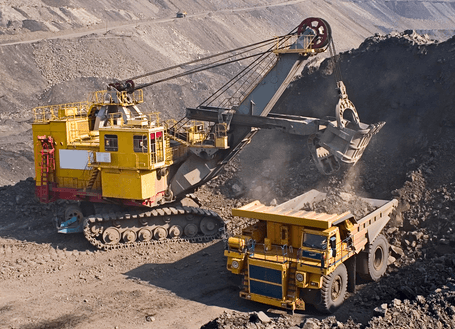
Sixty years after gaining independence, Ghana remains mired in the paradox that Professor Ali Mazrui warned about. Located on Africa's richest land, the nation is home to 30% of the world's mineral reserves and 60% of its uncultivated arable land. Despite this wealth, Ghanaians often endure poverty and struggle to meet basic needs, such as providing clean water and food to their children.
This dichotomy between natural riches and economic deprivation has come to be known as the "demon of decay" and the "devil of dependency." For decades, Ghana's gold exports have been plagued by inefficiencies and corruption. Artisanal miners have long smuggled gold out of the country, selling their raw gold to middlemen at a fraction of its true value.
The government's previous approach, the Precious Minerals Marketing Company, was a mere licensing scheme that failed to capture the full value of the gold produced. However, in 2025, the government introduced an ambitious new initiative called GoldBod, which aimed to break the cycle of exploitation and capture the full economic potential of Ghana's gold industry.
Written by urgent.news from Ghana Business News's reporting — not their text. Machine-written — may contain errors; check the original before relying on it.