The DEI Language That’s Doing More Harm Than Good
Those committed to the fight for equal opportunity in hiring should reconsider the movement's rhetoric, but not the principle that everyone should get a fair shot.
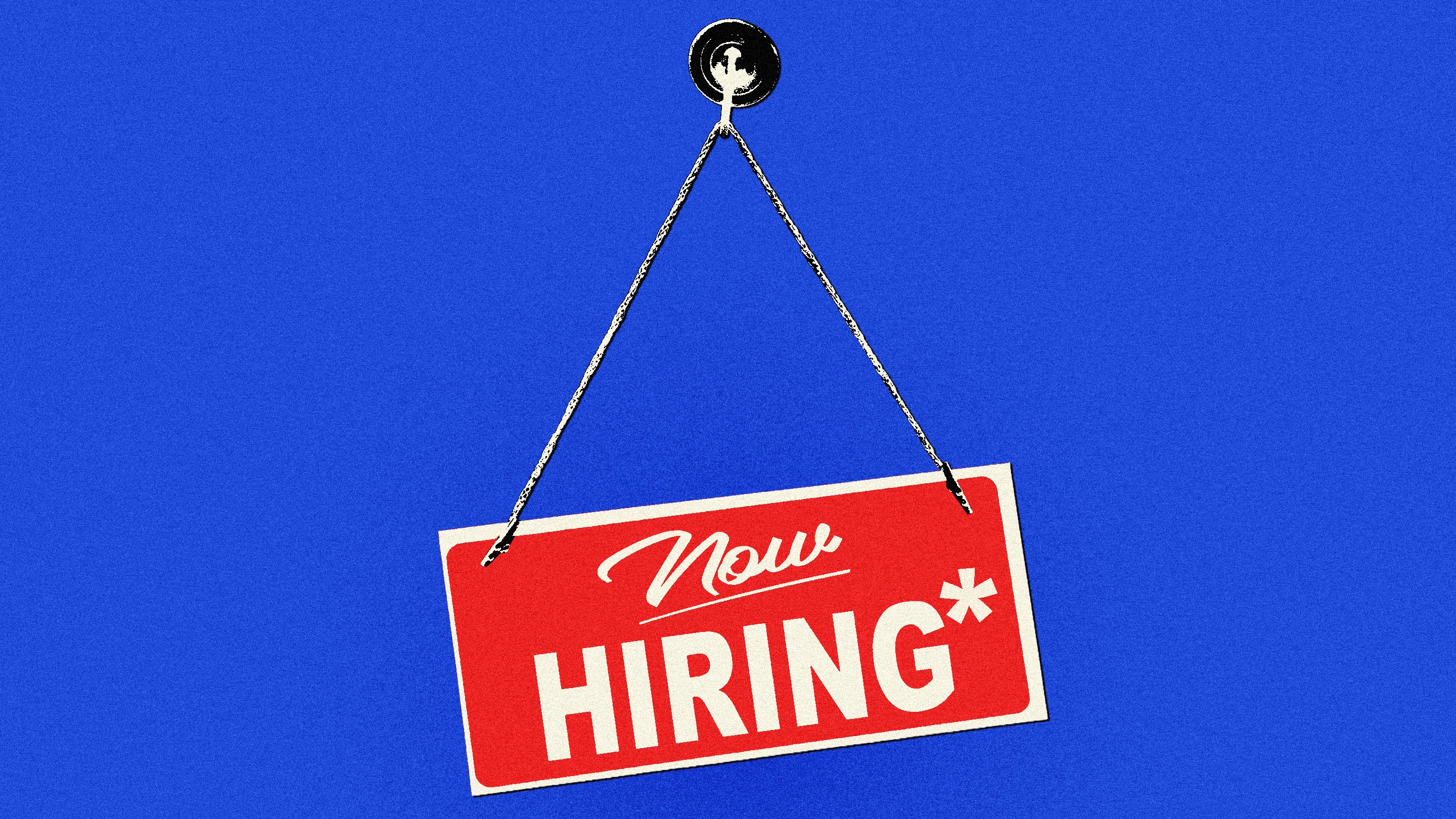
Last week, Senator Edward Markey published a job posting on social media, inviting applications from a diverse range of candidates, including BIPOC, LGBTQ+ individuals, working-class people, veterans, and others underrepresented in the Massachusetts workforce. His post quickly sparked outrage, with critics accusing the Democratic senator of discriminatory practices that could disadvantage white men in the hiring process.
The Manhattan Institute's Christopher Rufo called the ad an "open violation" of civil rights laws, urging a federal investigation, while former Trump Justice Department appointee Theo Wold argued that the policy would prevent young white men from finding employment opportunities. Critics argued that the post suggested a white male disadvantage in hiring, even though Markey's list of targeted groups included many white men.
However, the senator's office responded that the claims of racial discrimination were unfounded, as some of the groups mentioned in the post, such as gay people, veterans, and the working class, included substantial numbers of white men. Furthermore, the Democratic Party's approach to workplace diversity has not been uniformly detrimental to white men, as evidenced by numerous court cases where major corporations, non-profits, and law firms lost discrimination claims against white applicants or adjusted their hiring practices due to federal or state oversight.
Republican critics argue that such policies unfairly target white men for preferential treatment, while most Americans—especially those in Gen Z—have increasingly perceived discrimination against men in society. Senator Markey, who formed his views on race before the civil rights era, may still hold outdated beliefs about minority needs.
However, modern diversity initiatives often unintentionally create the perception of favoritism among white men, potentially increasing their stress levels and concerns over bias in the hiring process, even if no actual discrimination is occurring. Research suggests that merely displaying diversity signals can lead white Americans to believe there is discrimination against white men, regardless of whether it exists.
These signals can also make white male applicants feel less comfortable fitting in or thriving at a company. As a result, while diversity initiatives may have positive intentions, their implementation could inadvertently exacerbate the very issues they aim to address, particularly for younger generations of white men who are uniquely exposed to these signals.
Written by urgent.news from The Atlantic's reporting — not their text. Machine-written — may contain errors; check the original before relying on it.