Urgent.News

What's breaking now, across thousands of outlets.

Science

Stellar collision may explain why Orion Nebula's planet-forming disks appear younger than its stars

The Orion Nebula is a large star-forming region visible to the naked eye. Some of the young stars in the nebula are surrounded by disks of gas and dust in which planets form. Radiation from the massive central star, 1 Ori C1 (Theta-1 Orionis C1), gradually strips material from these disks, giving them shapes that resemble tadpoles.

Stellar collision may explain why Orion Nebula's planet-forming disks appear younger than its stars

We haven't written up this one. Phys.org has the full story — the link below goes straight to it.

This story

This is one outlet's version. Read the fullest account.
Read the original at phys.org →

More in Science

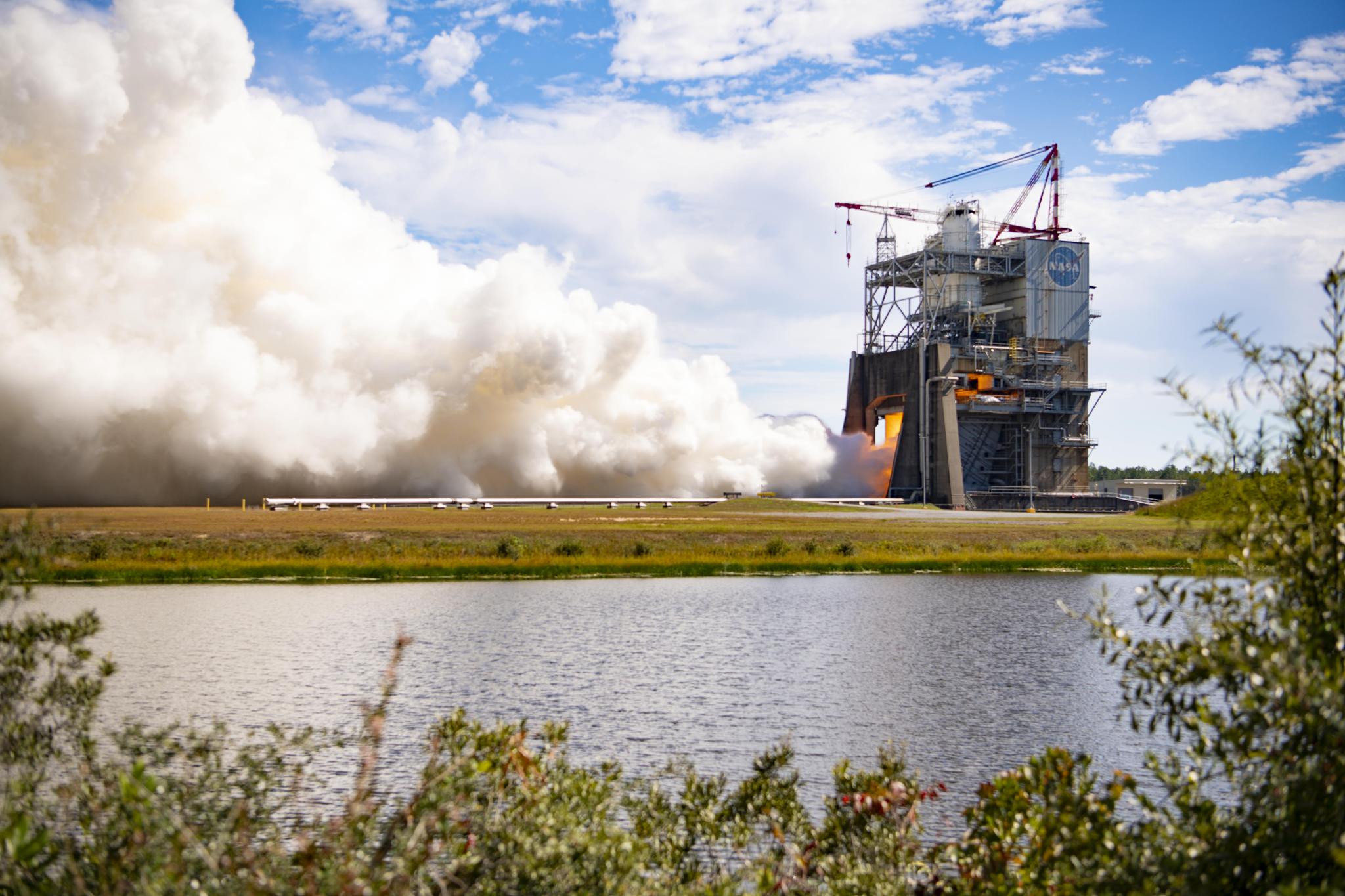
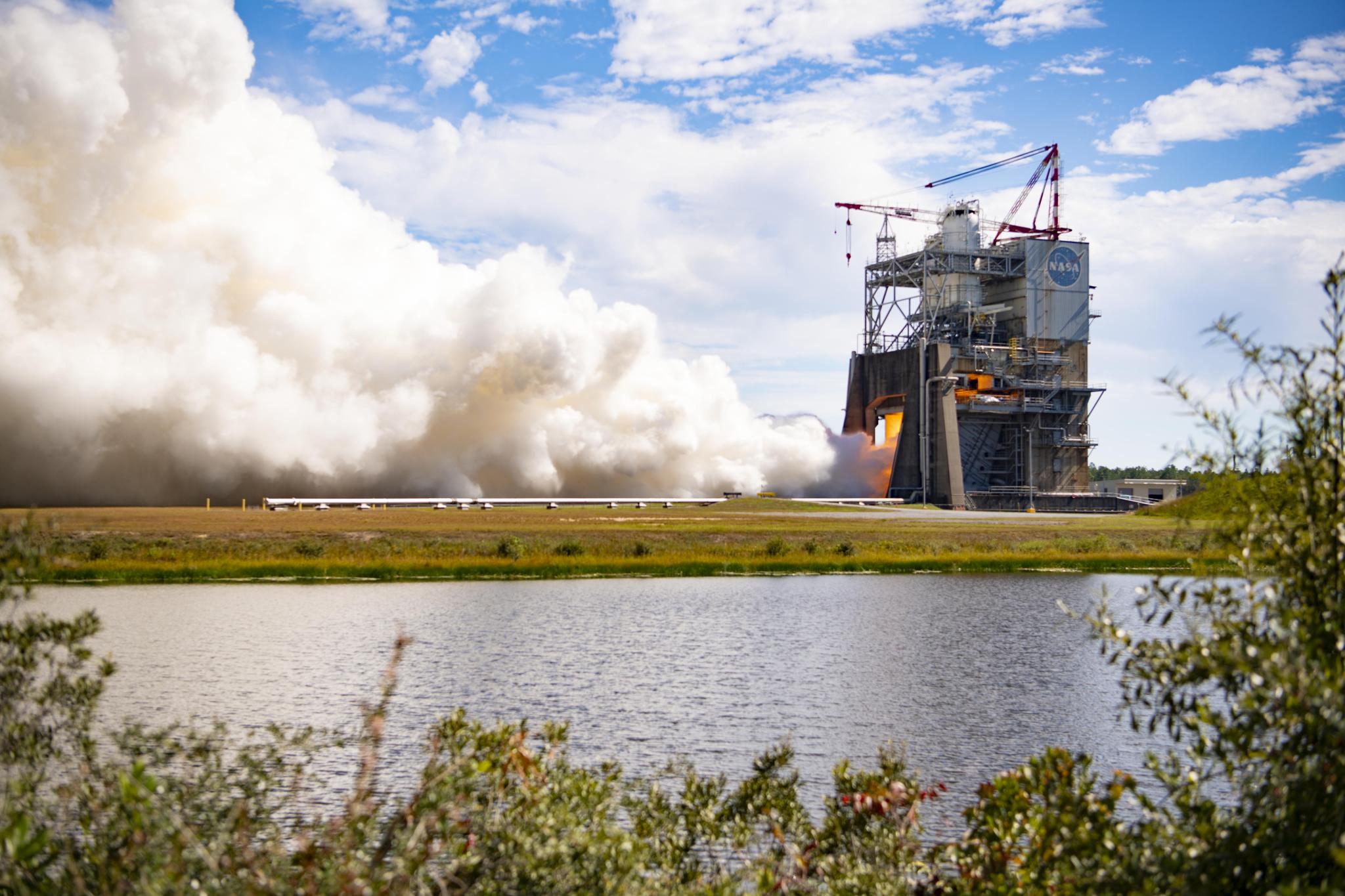
RS-25 Engine Tests at NASA Stennis

Teams at NASA’s Stennis Space Center near Bay St. Louis, Mississippi tested RS-25 engine No. 10001 on Oct. 21, 2026. The hot fire test lasted for almost eight-and-a-half minutes (500 seconds), the…

RS-25 Engine Tests at NASA Stennis

Teams at NASA’s Stennis Space Center near Bay St. Louis, Mississippi tested RS-25 engine No. 10001 on Oct. 21, 2026. The hot fire test lasted for almost eight-and-a-half minutes (500 seconds), the…

More from Friday 23 October →