Spiking ambulance response times spur calls for real-time tracking
An ambulance in New York City now takes an average of 13 minutes to reach someone in life-threatening distress.
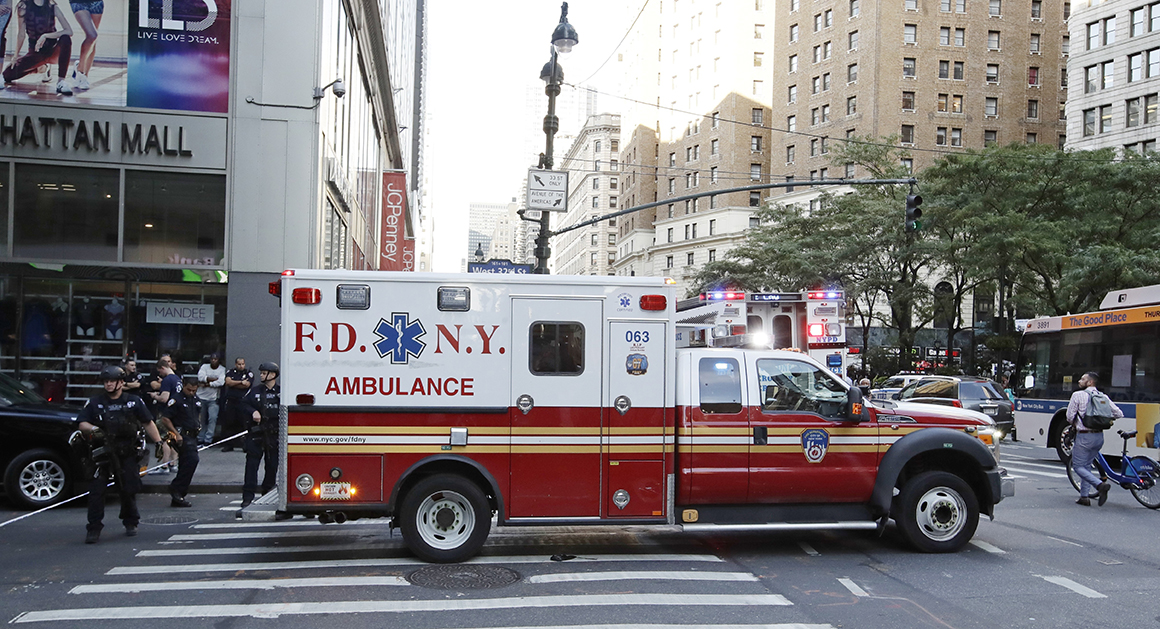
New York City emergency medical services are experiencing alarmingly slow response times, with an average of 13 minutes to reach someone in life-threatening distress. This increase is 41.2% higher than it was a decade ago and the largest year-over-year jump in the past decade. The problem stems from callers being placed in dispatch queues, with the priority of higher-priority calls potentially rerouting ambulances.
Calls to 911 do not guarantee immediate dispatch, leaving those in medical emergencies unaware of the actual arrival time.
Council member Joann Ariola has proposed a bill to notify the public about overloaded emergency response systems. She wants the notifications to be personalized, allowing users to track the ambulance in real time, similar to tracking public transportation. This idea has received support from a council member with a different political affiliation. Democratic Council member Harvey Epstein pointed out that people receive live text updates about various aspects of their lives, but not about life-threatening emergencies.
Amanda Farinacci, a spokesperson for the FDNY, said the department is considering all options to improve response times and keep New Yorkers informed, including live text updates. Council member Joann Ariola and Democratic Council member Harvey Epstein are awaiting a decision on the revised bill from the legislative affairs committee.
The underlying issue is the retention of EMS employees, with low pay for a high-stress job being a major factor. Officials and union leaders argue that EMS cannot retain members due to its lack of career prospects. Since 2019, about 4,300 EMTs and paramedics have left their positions, many for better-paying jobs in other departments.
Last fiscal year, 58% of departing EMTs became firefighters. The union representing emergency medical workers is negotiating a contract that lapsed in 2022, seeking pay parity with firefighters. However, the comptroller's report found that such parity would increase EMS salary-related expenses by $184 million a year, a 66% increase.
Ariola emphasized the need for EMS personnel to be treated as equals to fire operations members and receive pay and benefit parity comparable to firefighters. She hopes this administration will address the retention problem, which she believes is crucial for saving lives in perilous situations.
Written by urgent.news from POLITICO's reporting — not their text. Machine-written — may contain errors; check the original before relying on it.