SoftBank Loses Half Its Market Value in Four Months as AI Debt Fears Mount
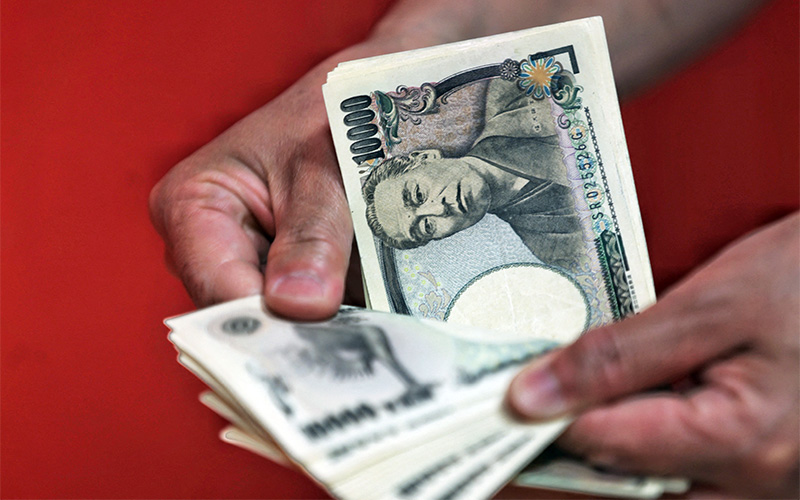
SoftBank Group’s market capitalization has fallen to roughly half its record high reached on June 2, as concerns over excessive artificial intelligence (AI) spending and mounting debt weigh heavily on the Japanese investment conglomerate’s shares.SoftBank shares closed at 4,305 yen, or approximately
SoftBank Group's market value has plummeted by half over the past four months, as worries over excessive artificial intelligence spending and growing debt cast a shadow over the Japanese investment firm's shares. The company's stock plummeted to 4,305 yen ($27.52) on the Tokyo Stock Exchange on October 22, a 6.86% decline from the previous session.
This decline has erased all gains made in September and makes SoftBank the worst performer in the Nikkei 225. Its market capitalization has shrunk to around 24.7 trillion yen, falling below that of Toyota Motor, Hitachi, and Recruit Holdings. SoftBank's reliance on borrowing is a major cause for concern. The company has financed its significant investments in AI infrastructure, energy, and robotics through debt, leaving it vulnerable to escalating funding costs.
Fears have intensified further as bonds issued by U.S. cloud computing provider CoreWeave have fallen to distress levels, raising broader doubts about the AI industry's capacity to manage its debt. SoftBank's credit default swap (CDS) spread, a measure of perceived credit risk, rose to 432 basis points on October 20, its highest level in nearly four years, signaling heightened investor apprehension.
In September, SoftBank raised $11.1 billion through a speculative-grade corporate bond issuance to fund Chairman Masayoshi Son's AI investment strategy, showcasing the magnitude of its financing needs. The uncertainty surrounding the profitability of AI investments has also dampened sentiment. Kazuyuki Muramatsu, chief investment officer at Nagomi Capital, cautioned that raising capital could become increasingly challenging if AI-related business activities do not generate meaningful profits.
Another factor contributing to investor concerns is the mounting competition faced by OpenAI, an investment in which SoftBank has poured substantial capital. Chinese rivals are offering more affordable alternatives and outperforming competitors. Recently, Masayoshi Son, SoftBank's founder and chairman, has adopted a more cautious stance on the potential risks of AI, warning of the dangers posed by superintelligence if misused and advocating for international cooperation to regulate increasingly potent AI technologies.
Despite this, Son remains optimistic about the long-term prospects of AI, predicting that AI-related industries could account for 20% of global GDP by 2040. SoftBank's future will hinge on its ability to safeguard the value of its Vision Fund portfolio while managing its borrowing costs. Should the rapid growth in the AI sector not translate into sustainable profits, the company may find itself caught in a cycle where rising financing costs and declining asset valuations exacerbate each other.
Written by urgent.news from BusinessKorea's reporting — not their text. Machine-written — may contain errors; check the original before relying on it.
This story
This is one outlet's version. Read the fullest account.
- SoftBank Group's market value halves from its peak as AI fears grow business-standard.com