Scientists can now 'watermark' AI-generated proteins to deter bioweapon creation. But will it really work?
A new technology encodes an invisible mark into the structure of AI-generated proteins, but experts said the system's guardrails can still be bypassed.
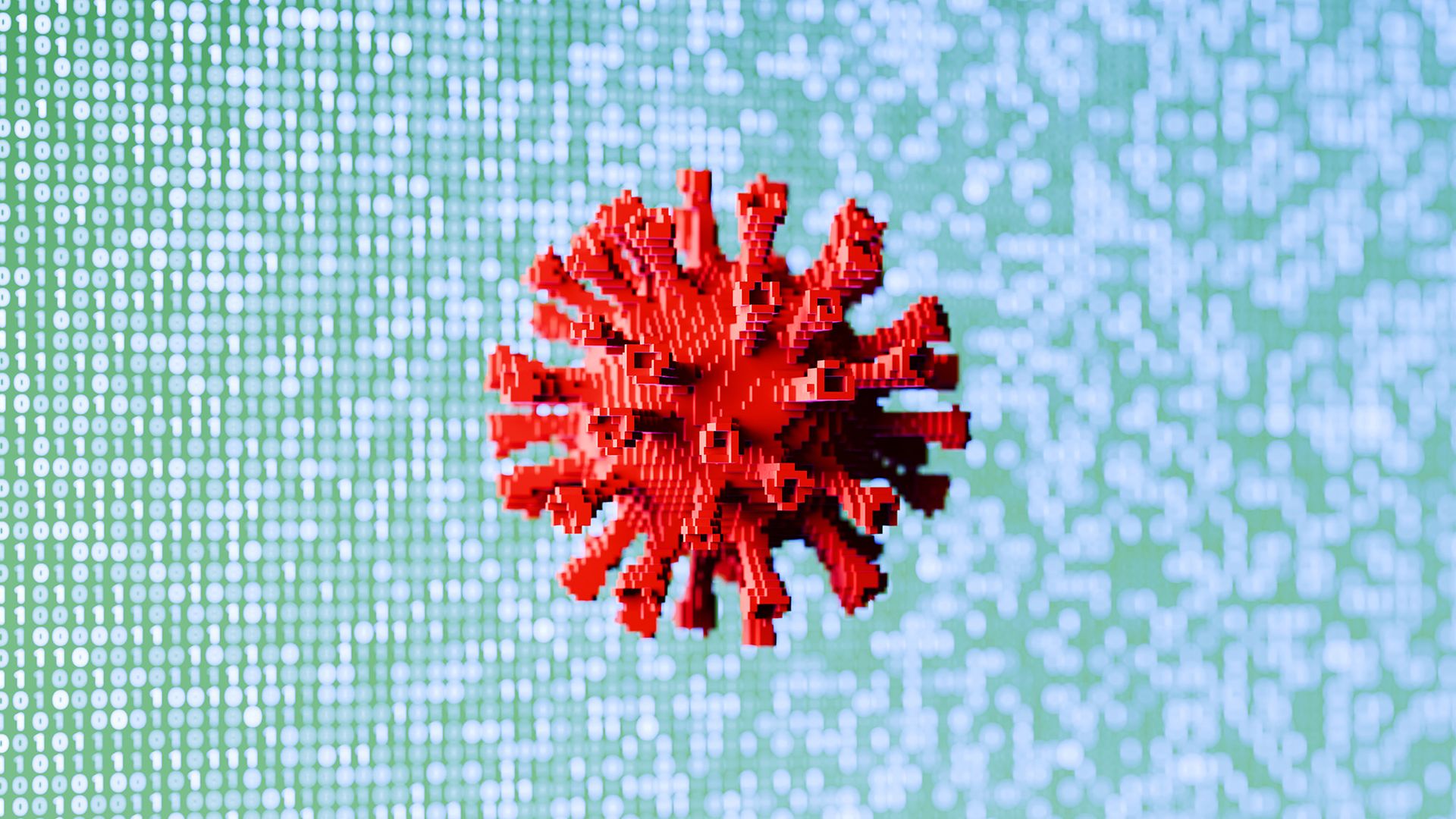
Artificial intelligence has empowered scientists to create unique proteins, which could lead to either innovative medicines or destructive bioweapons. To counter potential misuse, researchers have devised a watermarking method to trace the origin of AI-designed proteins and deter illicit activities. Google DeepMind developed this technique, called SynthIDBio, to better track the origins of AI-generated proteins and enhance biosecurity.
Roy Sleator, a biology professor at Munster Technological University, highlighted the potential benefits of protein watermarking in tracing their origin, flagging engineered proteins for additional security checks, and preventing misleading claims about protein creation methods. However, critics argue that the current implementation is ineffective due to the possibility of removing the watermarks, rendering the system vulnerable to circumvention.
Researchers are exploring different approaches to embed watermarks into proteins' 3D structures or amino acid sequences, but these methods might also be bypassed by altering the protein's sequence or structure. Despite the challenges, experts acknowledge the significance of this technical advancement in addressing biosecurity concerns surrounding synthetic biology.
Written by urgent.news from Live Science's reporting — not their text. Machine-written — may contain errors; check the original before relying on it.