Schutz für Ausstellungsstücke: Weimer und Google fördern Projekt gegen KI-Fälschungen
KI kann historische Dokumente täuschend echt verändern – und echte Quellen als Fälschungen erscheinen lassen. Wie ein neues Projekt Archive und Gedenkstätten schützen soll.
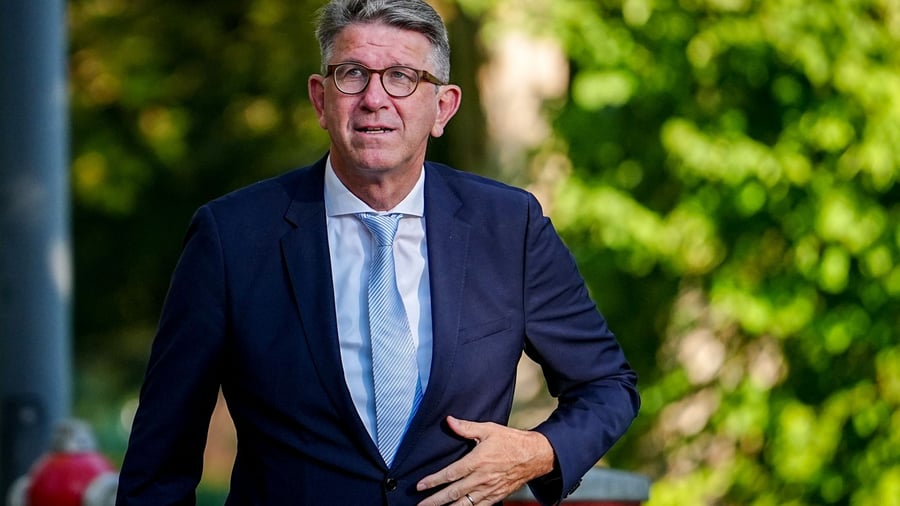
Kulturstaatsminister Wolfram Weimer and Google.org have joined forces to protect historical exhibition items from forgery by artificial intelligence in a project called the Global Authentic Memory Initiative (GAMI). The German Federal Cultural Ministry allocated €100,000 for the project, with Google.org contributing an additional €300,000.
GAMI provides a manufacturer-independent and open technical solution to authenticate the authenticity of historical documents digitally. The process involves creating a digital fingerprint with encryption, a timestamp, and an institutional signature. Weimer, who recently met with representatives of major US tech companies, emphasized the importance of preserving the collective memory and protecting historical truths as fundamental pillars of a resilient democracy.
Concerns from memorial sites were taken seriously, and the initiative aims to safeguard valuable archive collections in the digital age. The initiative originated from an open letter to NS memorials on January 13, 2026, warning of the "liar dividend" risk posed by the rise of generative AI: the danger that genuine historical documents might be falsely attributed to AI-generated sources or synthetic forgeries spread as facts.
Unlike modern media, historical objects often lack embedded provenance information. GAMI was developed by the Bavarian startup Authentic Memory gUG, an offshoot of Munich Technical University and Ludwig Maximilian University under the leadership of founder Pablo Toussaint. Initial successful test runs of the method have already been conducted with the Dachau and Flossenbürg memorials.
Despite the collaboration, Weimer continues to advocate for stricter regulation of large tech companies, proposing a digital levy on platforms like Google and Meta to strengthen domestic media and cultural landscapes, as well as local journalism.
Written by urgent.news from Handelsblatt's reporting — not their text. Machine-written — may contain errors; check the original before relying on it.