Qué está provocando el desplome del oro
El contexto actual de mayor aversión al riesgo en los mercados resulta propicio para el oro. Pero lejos de sacar partido a la búsqueda de refugio, el metal precioso se desinfla a mínimos de julio. Leer
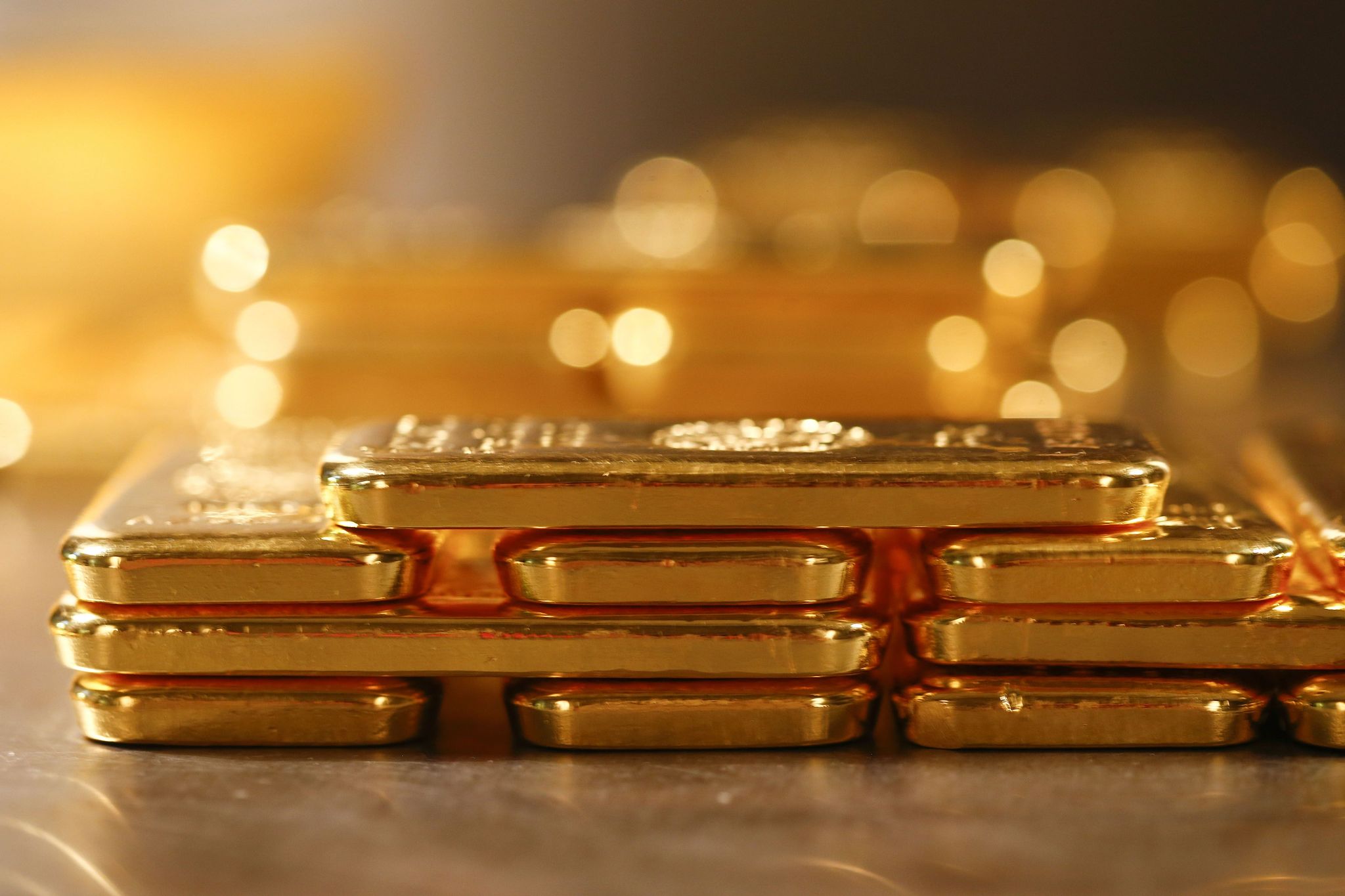
Anxious risk aversion in markets is driving the plummeting price of gold. However, instead of benefiting from the search for shelter, the precious metal has deflated to lows last seen in July, falling below $4,000 per ounce. In the past 48 hours, portfolio rotations have accelerated, with defensive assets favored, except for gold.
The traditional refuge asset has failed to capture any of the multi-million dollar redemptions from riskier assets, particularly technology stocks. Gold has marched alongside stocks in their declines. Investor shunning of gold has even driven its price below $4,000 per ounce. The precious metal has deflated by 14% over the last two months, down from over $4,650 per ounce at the end of August.
Despite the magnitude of this correction, the most striking drops have occurred in recent days amid turbulence in risk assets and a surge of buying in other risk assets like U.S. sovereign debt. Analysts point to two key factors behind the plunge: oil and China. Gold and oil have shown a strong negative correlation in recent times.
The precious metal has deflated by 14% over two months, while Brent crude has risen by 26% over the same period. The transmission chain from energy tensions to monetary pressures is behind this behavior, according to analysts at Capital Economics. A rise in oil prices could keep real interest rates high for longer, reducing the relative attractiveness of investing in gold and holding it in a portfolio.
The recent surge in oil prices, reaching a five-month high of over $114 in today's session, all but eliminates doubts about the Federal Reserve potentially raising interest rates again before the year ends. Derivatives markets give an 81% probability of a rate hike at the Fed's meeting in December. The negative pressure from oil alone is not enough to explain gold's sharp correction, according to Julius Baer.
The Swiss-based firm, after analyzing precious metal behavior, admits that it is unclear who is behind the latest slide. In their attempt to find answers, Julius Baer analysts note that there has been a notable disconnection, especially in gold's case: physical-backed precious metals holdings have risen by about 70 tonnes since the summer, while prices have fallen by more than 13%.
In their search for culprits of the sales, Julius Baer points to a lack of significant sales by speculative operators in the futures market, who typically act in the same direction as the market. They also stress that usual factors in gold declines, such as a stronger U.S. dollar or higher U.S. Treasury yields, have not been present in recent days.
After these analyses, Julius Baer points to China. A possible source of pressure could be the need for Chinese investors to raise cash due to the country's recent foreign currency controls.
Written by urgent.news from Expansion ES's reporting — not their text. Machine-written — may contain errors; check the original before relying on it.