Oil tanker rate spike: Gains for some, pain for others [WATCH]
KUALA LUMPUR: Surging oil tanker rates amid the Middle East conflict could raise operating costs for Malaysia’s oil and gas (O&G) industry, although economists said upstream producers and tanker operators may benefit from higher crude prices and charter rates.
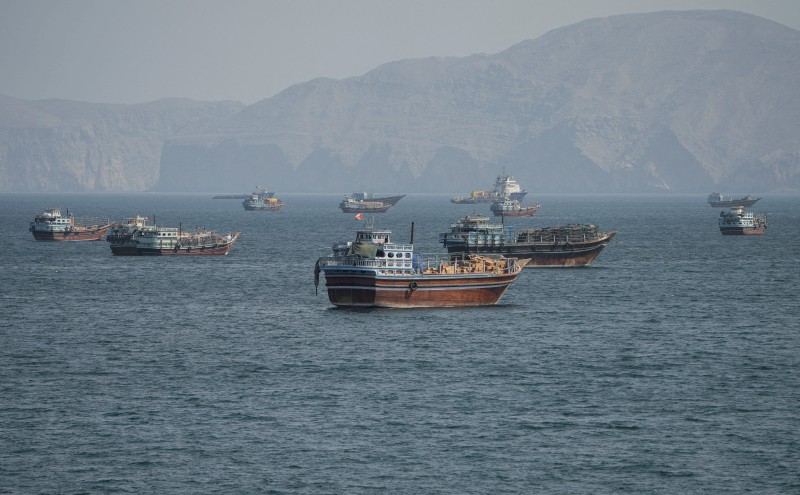
Oil tanker rates have surged in recent months due to conflict in the Middle East, impacting both costs and revenues for various stakeholders in Malaysia's oil and gas (O&G) industry. Very Large Crude Carriers (VLCC) rates from the Persian Gulf to Asia reached over US$37 per barrel by mid-October, nearly five times their pre-conflict levels.
This surge is attributed to congestion in the Strait of Hormuz, rerouting of trade, and increased ship-to-ship transfers. These disruptions have lengthened delivery times and reduced fleet efficiency, leading to higher freight rates.
The impact on Malaysia is expected to be mixed. Higher crude prices may boost petroleum revenue, encourage exploration and production (E&P) activities, and potentially increase government petroleum revenue. However, rising transportation and insurance costs could squeeze refining margins, increase fuel subsidy requirements, and raise overall operating costs for O&G companies.
Bank Muamalat Malaysia Bhd's chief economist advises that O&G firms must strengthen cost management and productivity to cope with the increased expenses.
Economists note that higher freight costs may squeeze refining margins and increase crude import costs, while tanker operators could benefit from stronger charter rates. Upstream producers are relatively insulated from the impact. Shipping disruptions and higher insurance premiums could further push freight rates higher. However, the impact is expected to be temporary, as Malaysia is a significant O&G producer.
Written by urgent.news from New Straits Times's reporting — not their text. Machine-written — may contain errors; check the original before relying on it.