Not all processed foods are unhealthy
Processed foods like frozen vegetables and canned sardines make for a simple yet balanced meal when paired with rice.
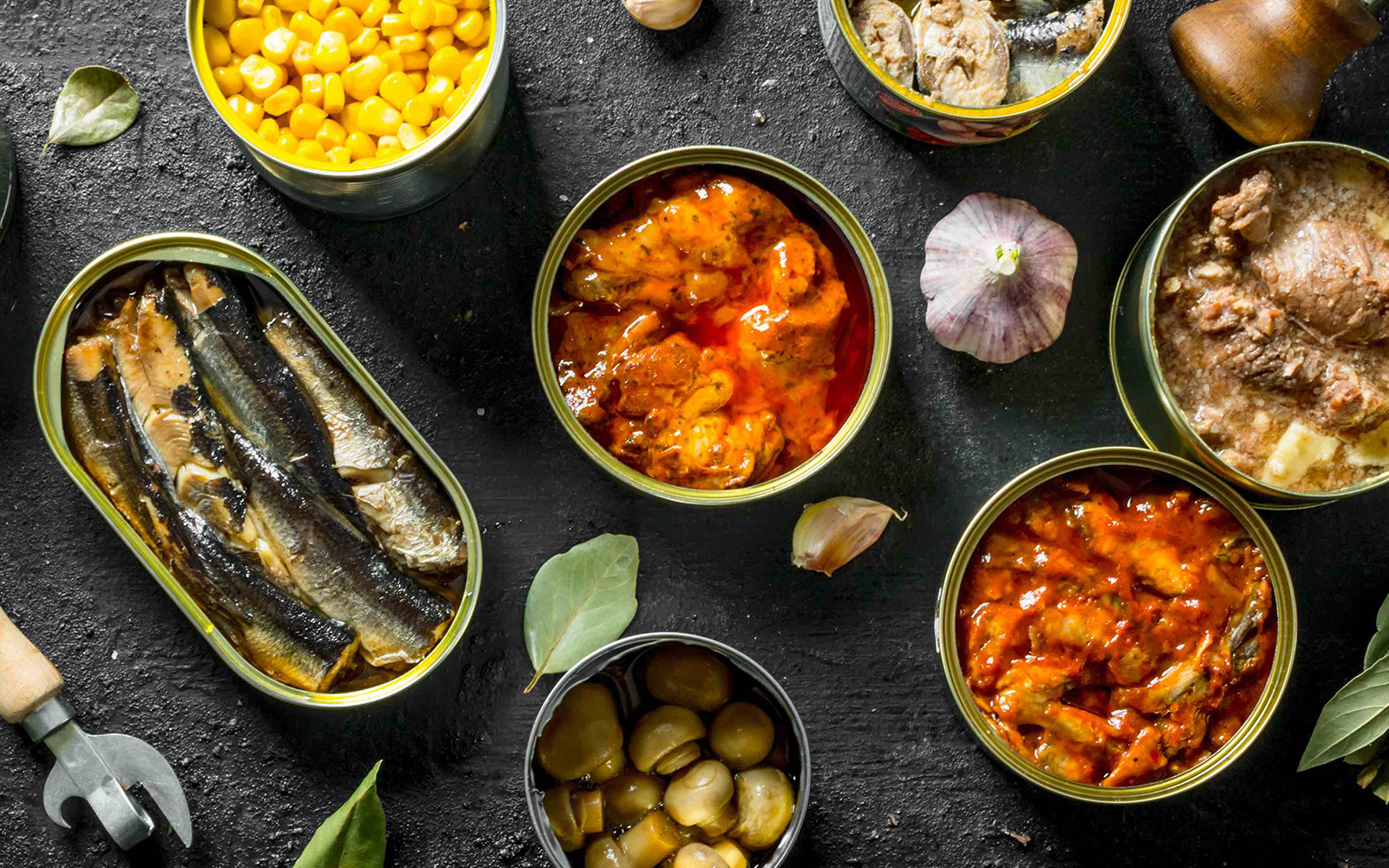
Many people wrongly believe that all processed foods are unhealthy. However, the truth is that not all canned and processed foods are bad choices. In fact, some processed foods can be a simple and balanced part of a healthy diet.
Processing involves changing food from its original state. This can range from basic steps like washing, cutting, freezing, or heating, to more complex transformations that create entirely new products from food components. Examples include washing and chopping vegetables, pasteurizing milk, or rolling oats. These processes make food safer, more convenient, or extend its shelf life without adding extra salt, sugar, or fat.
Slightly more processed foods include those with a few added ingredients, often ones you already use in your cooking. This can include beans canned with water and salt, fish canned in oil, or bread made from flour, water, yeast, and salt. While these foods may have added salt, sugar, or fat, they are still recognizable and can be useful everyday choices.
On the other hand, ultra-processed foods go further. These are typically made from substances extracted from foods, such as refined starches or protein isolates, often combined with flavorings, colors, sweeteners, or emulsifiers to alter taste and texture. Examples include soft drinks, instant noodles, frozen chicken nuggets, packaged cakes, confectionery, and flavored snack foods. While these foods are still processed, they are considered less healthy choices.
To navigate the world of processed foods, it's helpful to start with the ingredients list. Ingredients are listed in descending order of quantity, so the first few items give you an idea of what the food is primarily made of. Choose products where the first ingredients are recognizable whole foods like chickpeas, milk, or wholemeal flour. Avoid products with long lists of unfamiliar ingredients, as they may indicate higher levels of processing.
While a short list of ingredients may seem healthier, it's not always the case. For example, a sugary drink may have only a few ingredients, but those ingredients might include added sugars. So, it's important to look beyond just the number of ingredients.
When shopping, consider buying plain versions of foods more often. For instance, opt for plain oats instead of heavily sweetened cereal, or choose plain frozen vegetables without sauces. You can always add your own ingredients, like fresh fruit, to increase the nutritional value and control the amount of added sugar.
Nutrition labels can also be useful. Compare similar products per 100 grams or milliliters to understand the nutritional content better. Look for lower amounts of sodium, saturated fat, and sugar. Don't be fooled by terms like "natural" or "multigrain," as these don't necessarily indicate healthier choices.
Convenience can be a double-edged sword. While it can save time and reduce waste, relying too heavily on processed foods can also lead to a less healthy diet. Planning two or three easy meals in advance and having the necessary ingredients on hand can help you make healthier choices even on busy days. Preparing meals like canned chickpeas for a quick curry, frozen vegetables for fried rice, or canned sardines with rice and cucumber can be simple and nutritious options.
In summary, healthy eating doesn't always mean making everything from scratch. Building a kitchen around fresh and minimally processed foods, and then adding thoughtfully chosen processed staples, can help you eat well even on your busiest days.
Written by urgent.news from Free Malaysia Today's reporting — not their text. Machine-written — may contain errors; check the original before relying on it.
Also reported by 1 other outlet
- Not all processed foods are unhealthy freemalaysiatoday.com