New steel plant is early test for Argentina’s big investment scheme
The San Nicolás facility targets 360,000 tonnes of lower-carbon steel a year, as first industrial project to benefit from government’s Rigi programme The post New steel plant is early test for Argentina’s big investment scheme appeared first on Dialogue Earth .
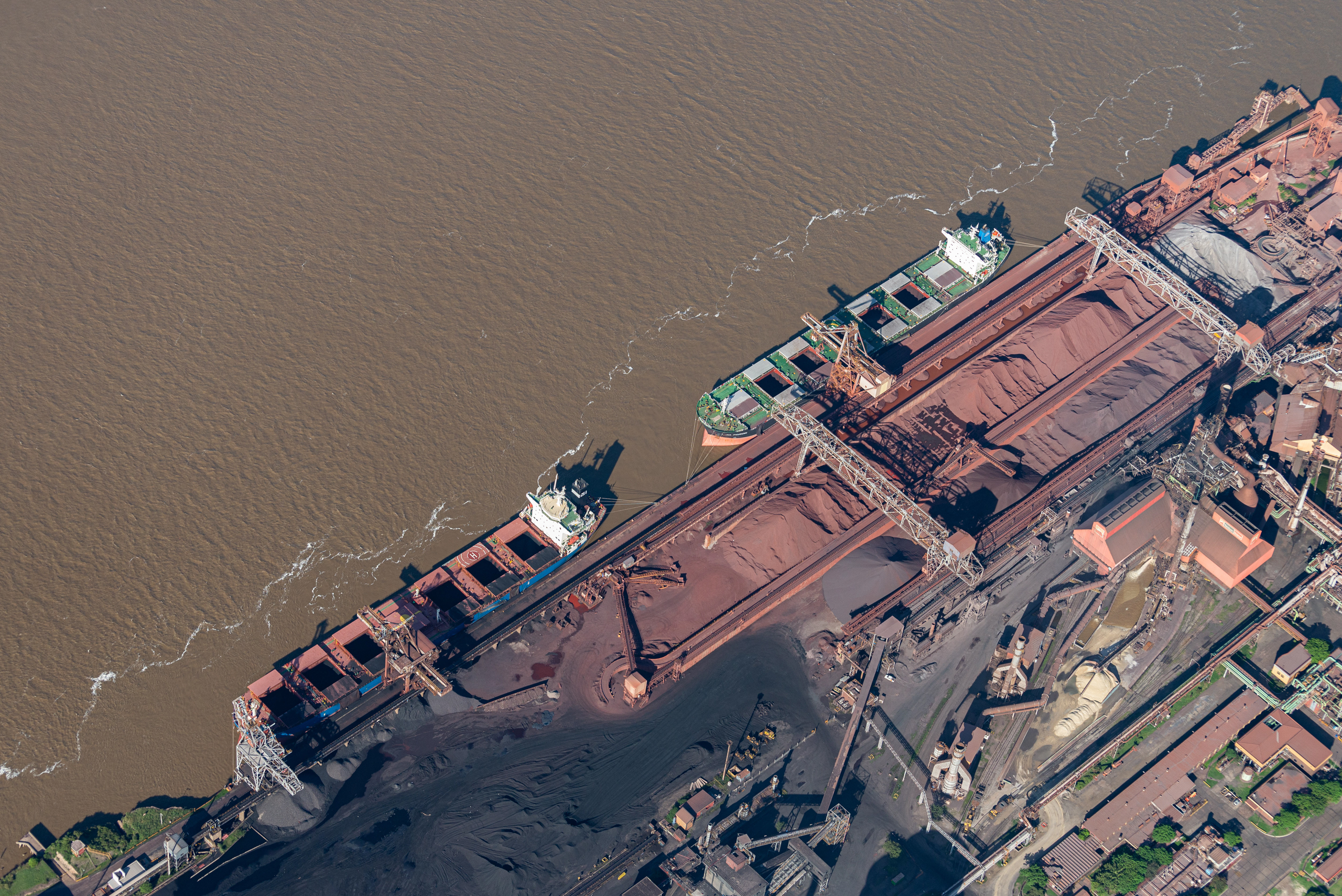
San Nicolás de los Arroyos, a town nestled along the banks of a river in northeastern Argentina, is witnessing the dawn of a new steelmaking era. A USD 300 million steelworks is being constructed on a 15-hectare site, with the potential to produce 360,000 tonnes of eco-friendly steel each year. This facility, under the management of Sidersa, an Argentine company that has historically focused on marketing and distributing steel products, is set to begin operations in late 2027.
Sidersa has pledged to generate over 300 direct jobs and 3,500 indirect jobs in a region traditionally entwined with the industrial smokestacks of conventional steelmaking. However, this ambitious project hinges on several crucial aspects.
The steel plant's green credentials are contingent on the use of renewable energy sources and the availability of sufficient scrap metal. As the steel sector is responsible for 7-9% of global CO2 emissions, the transition to greener processes has become a pressing concern for both the industry and policymakers. In the production of steel from recycled scrap using electric arc furnaces, emissions are reduced by approximately 70% compared to conventional methods that rely on iron ore in coal-fired blast furnaces.
Electric arc furnaces, which constitute around 57% of steel production in Argentina as of 2023, are not inherently environmentally friendly. The cleanliness of the process is largely dependent on the quality of the grid supplying electricity and the accessibility of scrap metal. Currently, the national grid in Argentina relies predominantly on gas-fired thermal power stations. Sidersa is exploring the possibility of deriving power directly from renewable sources at a later stage.
Despite the steel industry's long-standing reliance on coal-based blast furnace-basic oxygen furnace processes, shifting towards electric arc furnaces can significantly curtail emissions, especially when powered by renewable energy. Around 70% of global steel production presently utilizes this coal-based method, the main contributor to steel's share of global carbon emissions.
Transitioning to electric arc furnaces, particularly when using recycled scrap steel as the primary feedstock, offers a promising avenue for reducing emissions, especially if the power source is renewable. Green hydrogen, produced solely from renewable energy, also holds promise for further decarbonising the steelmaking process. However, large-scale implementation of this approach is still in its infancy.
Written by urgent.news from Dialogue Earth's reporting — not their text. Machine-written — may contain errors; check the original before relying on it.