Nepal becomes first beneficiary of global funding for loss & damage
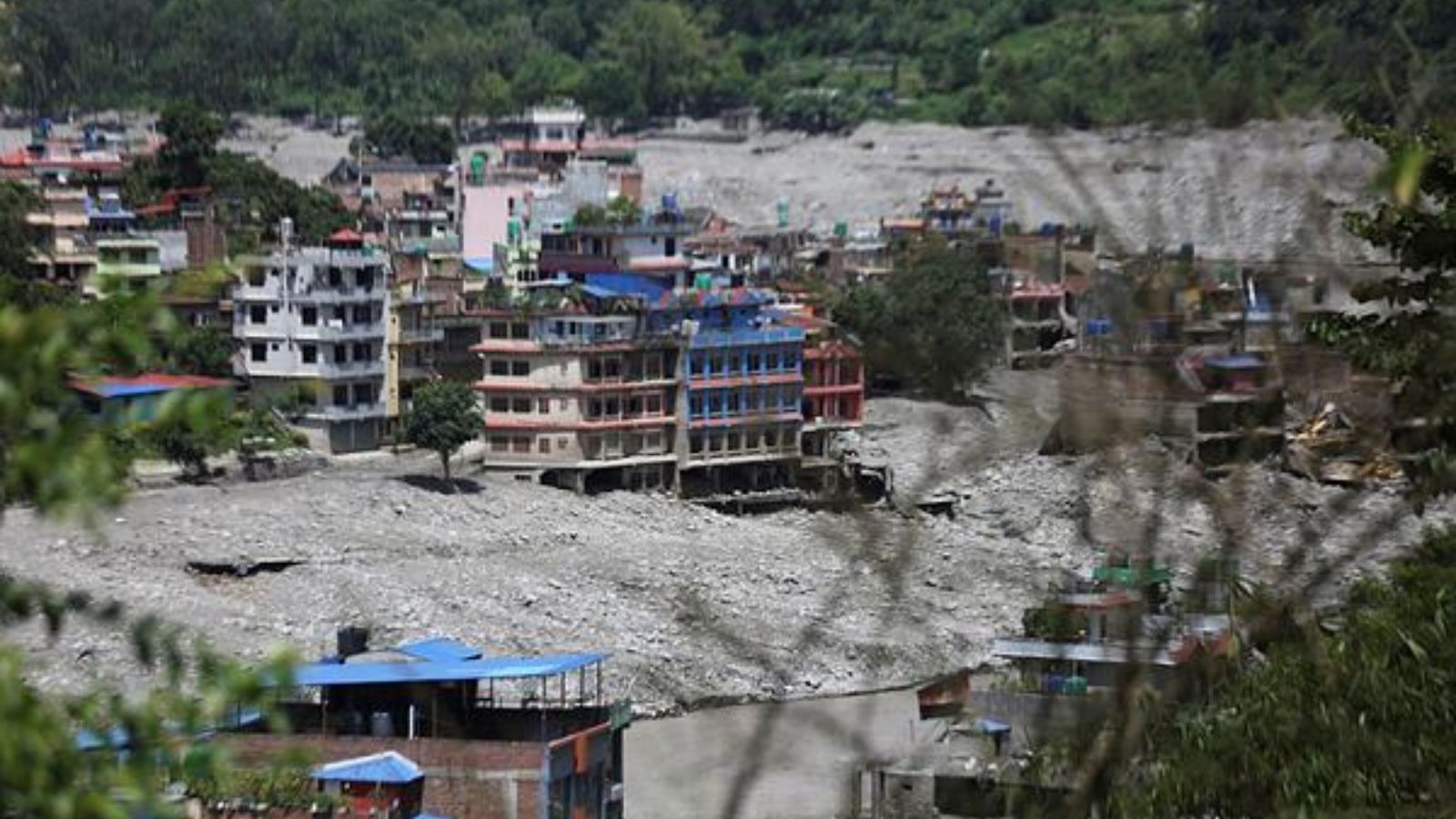
The international climate fund, known as the Fund for Responding to Loss and Damage (FRLD), has made history by allocating US $20 million to Nepal for recovery from devastating flash floods in August, marking it as the first beneficiary of international funding for loss and damage. The FRLD, established in 2022, convened an emergency board meeting at the request of Nepal and other developing countries, deciding to provisionally set aside the sum for Nepal.
Nepal estimates the economic loss and damage from the floods at a minimum of $2.69 billion, with recovery and reconstruction needs at $4.71 billion. The allocation, while significant as the largest single event funding currently approved by the FRLD, represents less than one percent of Nepal's estimated reconstruction costs. The flood event, triggered by a rock and ice avalanche, claimed over 1,300 lives and left more than 5,000 people missing, underscoring the urgent need for financial assistance.
The FRLD was created at the COP27 meeting in Sharm-el Shaikh in 2022 and went operational at COP28 in Dubai the following year, following years of negotiations by developing countries, particularly small and least developed nations, who are most vulnerable to climate change impacts but have limited resources to cope. As of June 2026, the FRLD had received 176 funding requests from 119 countries totaling $2.8 billion, all still under processing with the next board meeting scheduled for December.
Nepal's request for immediate support after the flood follows the destruction of the Trishuli Hydro Power station and other infrastructure. While the approval is seen as a step forward in operationalizing the international loss and damage framework, it is also recognized as a small but significant measure towards helping small and vulnerable countries access financial aid for climate disasters.
Written by urgent.news from The Indian Express's reporting — not their text. Machine-written — may contain errors; check the original before relying on it.