NASA, Partners Accelerate Lander Development for 2028 Moon Missions
As NASA returns humans to the lunar surface and establishes a long-term presence on our closest celestial neighbor, the agency and commercial human landing system providers Blue Origin and SpaceX have streamlined the designs and changed both concepts of operations for its future crewed landers. Since NASA established initial contracts with Blue Origin and SpaceX […] The post NASA, Partners…

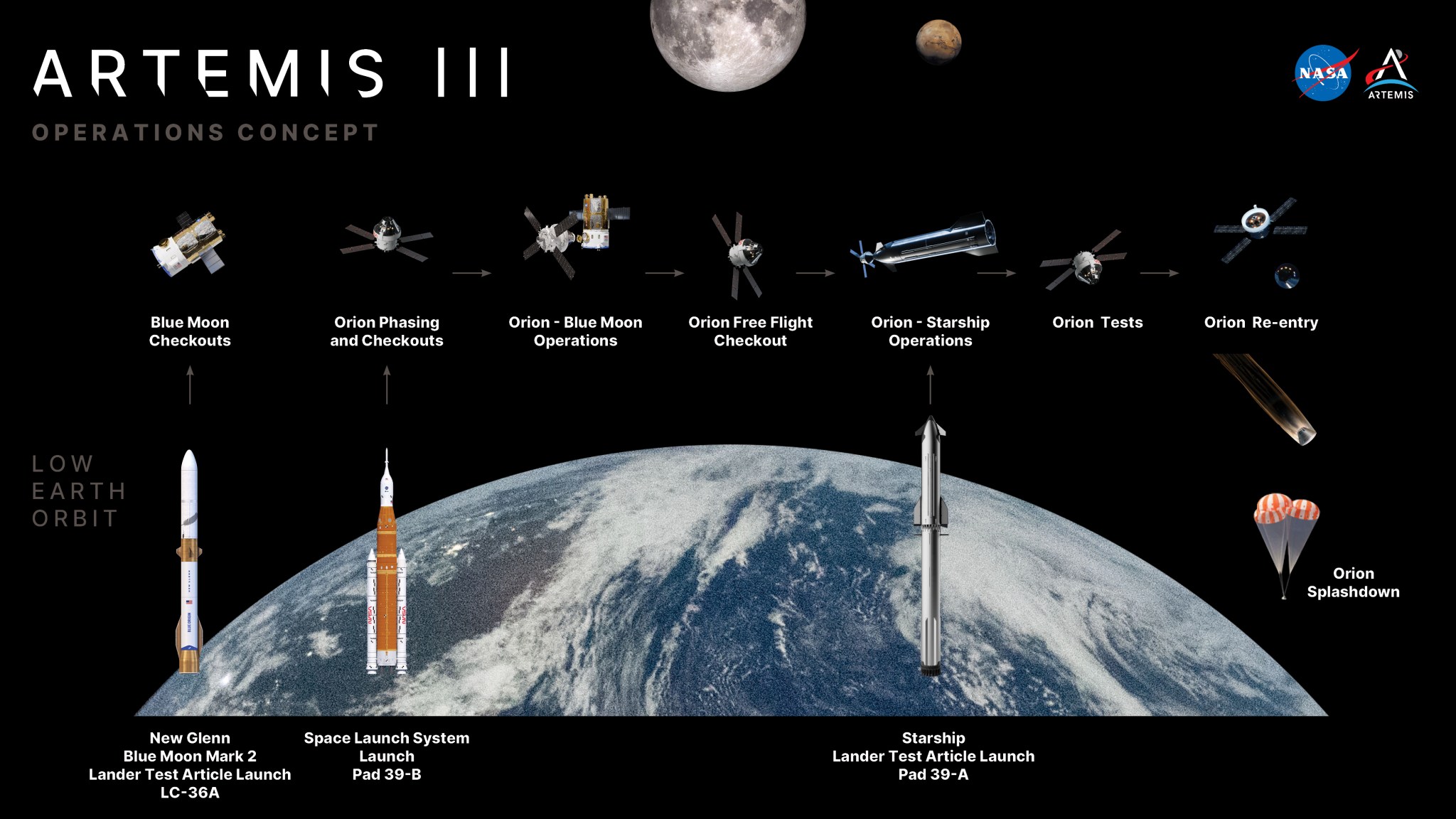
NASA and commercial partners Blue Origin and SpaceX are speeding up the development of Moon landers for the 2028 missions. The agency has redefined Artemis III to include rendezvous and docking between test landers and their Orion spacecraft in low Earth orbit next year. Both Blue Origin and SpaceX are also creating crew and cargo versions of their landers for upcoming Artemis missions. NASA aims to achieve a "Super Bowl-caliber team" to safely accomplish these objectives.
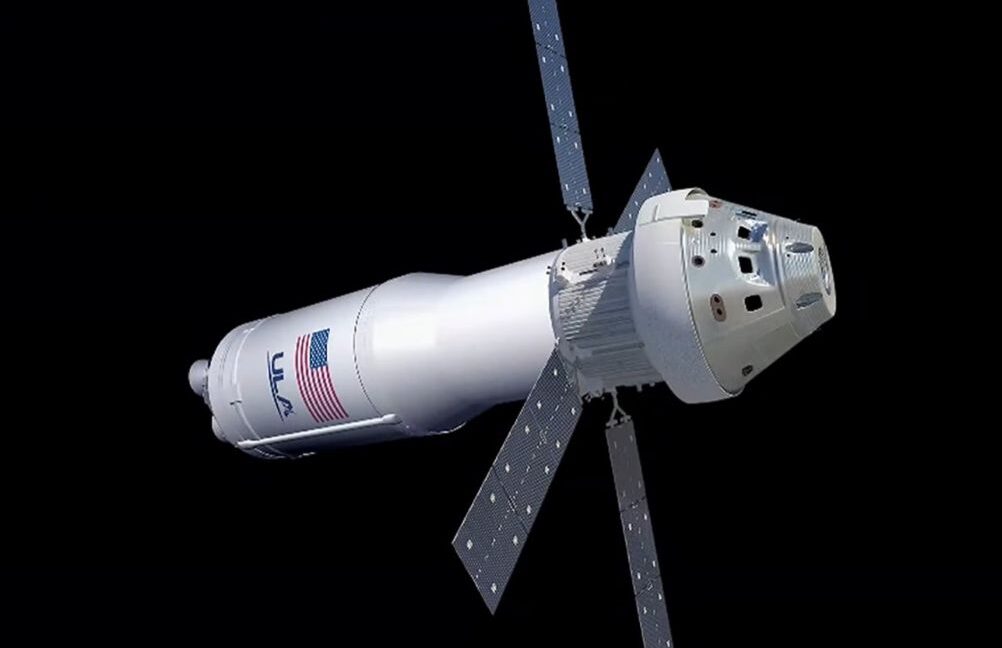
During the initial crewed missions, astronauts will launch aboard Orion on the SLS (Space Launch System) rocket from Kennedy Space Center in Florida. Each Artemis mission will see a commercial human landing system link up with Orion before taking two crew members to the lunar surface, while two remain aboard Orion. To hasten development, the Artemis landers and Orion will rendezvous in orbits tailored to each partner's systems.
Both providers must conduct an uncrewed demonstration mission with their crewed landers before the near-term Artemis crewed missions. NASA will certify the lander systems before the crewed missions to ensure safety and mission success.
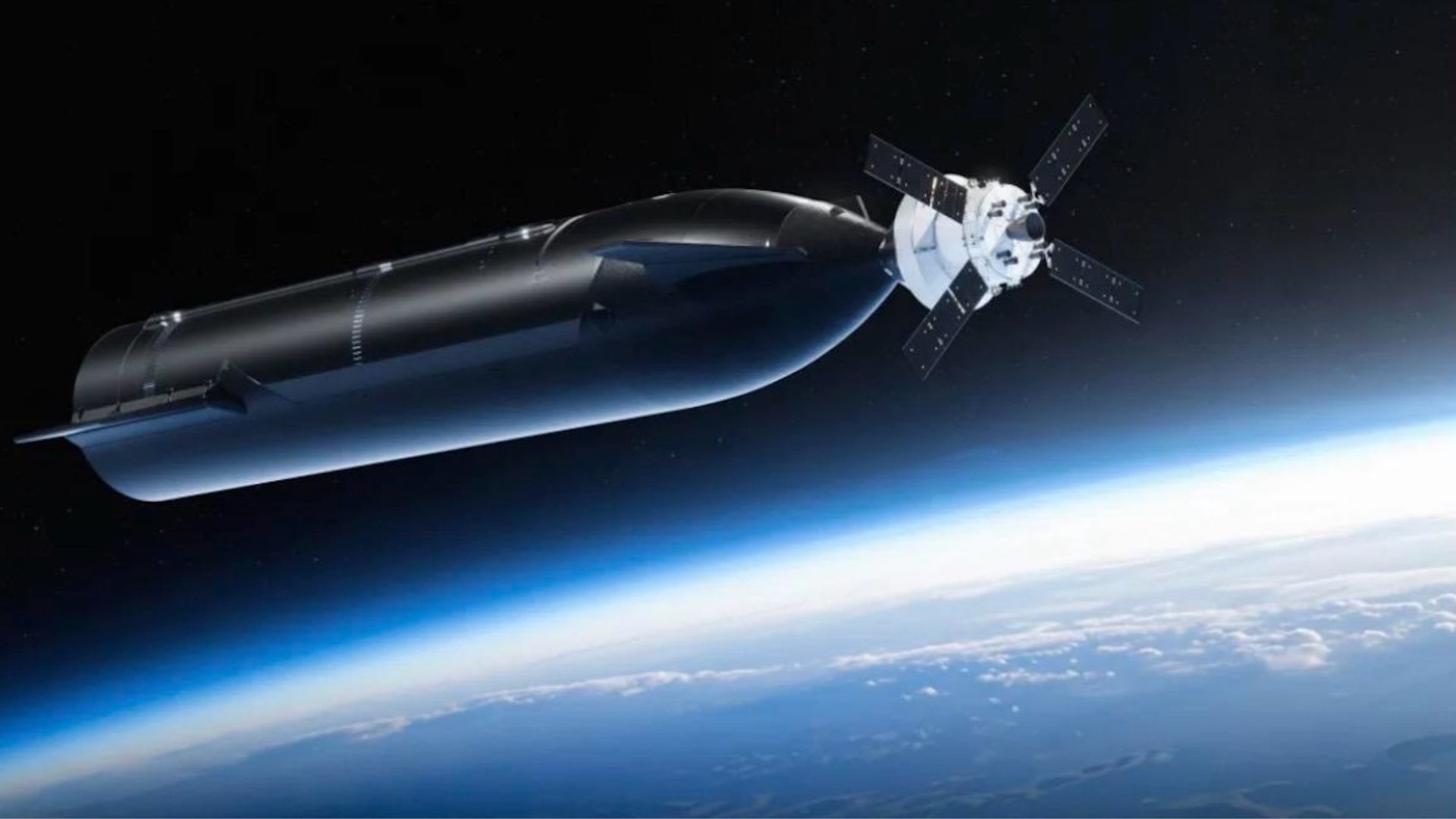
SpaceX plans to utilize its Starship for an in-space propellant aggregation approach, transferring super cold, or cryogenic, liquid propellant in orbit. Multiple versions of Starship will first launch to low Earth orbit, with some acting as "tanker" Starships to fuel the Starship Human Landing System (HLS) prior to its journey to the Moon.
The HLS will await Orion and its crew in Earth orbit, then rendezvous and dock with the spacecraft. The Starship lander will then perform a trans-lunar injection burn to send the combined stack to low lunar orbit. NASA is modifying Orion to facilitate this process.
Written by urgent.news from NASA Science's reporting — not their text. Machine-written — may contain errors; check the original before relying on it.