My Raspberry Pi Zero is too slow for anything general, but it's perfect for one specific job
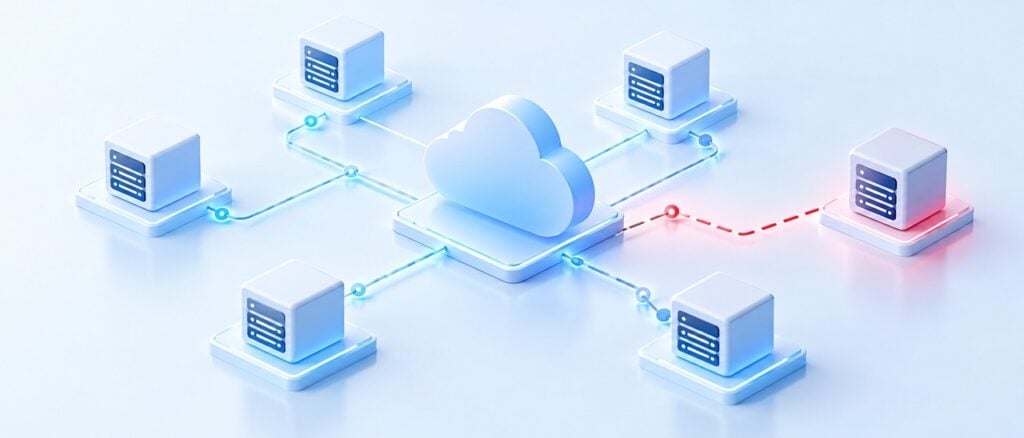
A tiny 512MB Pi transformed into a resilient DNS duo running Pi‑Hole and Unbound inside compact Docker containers.
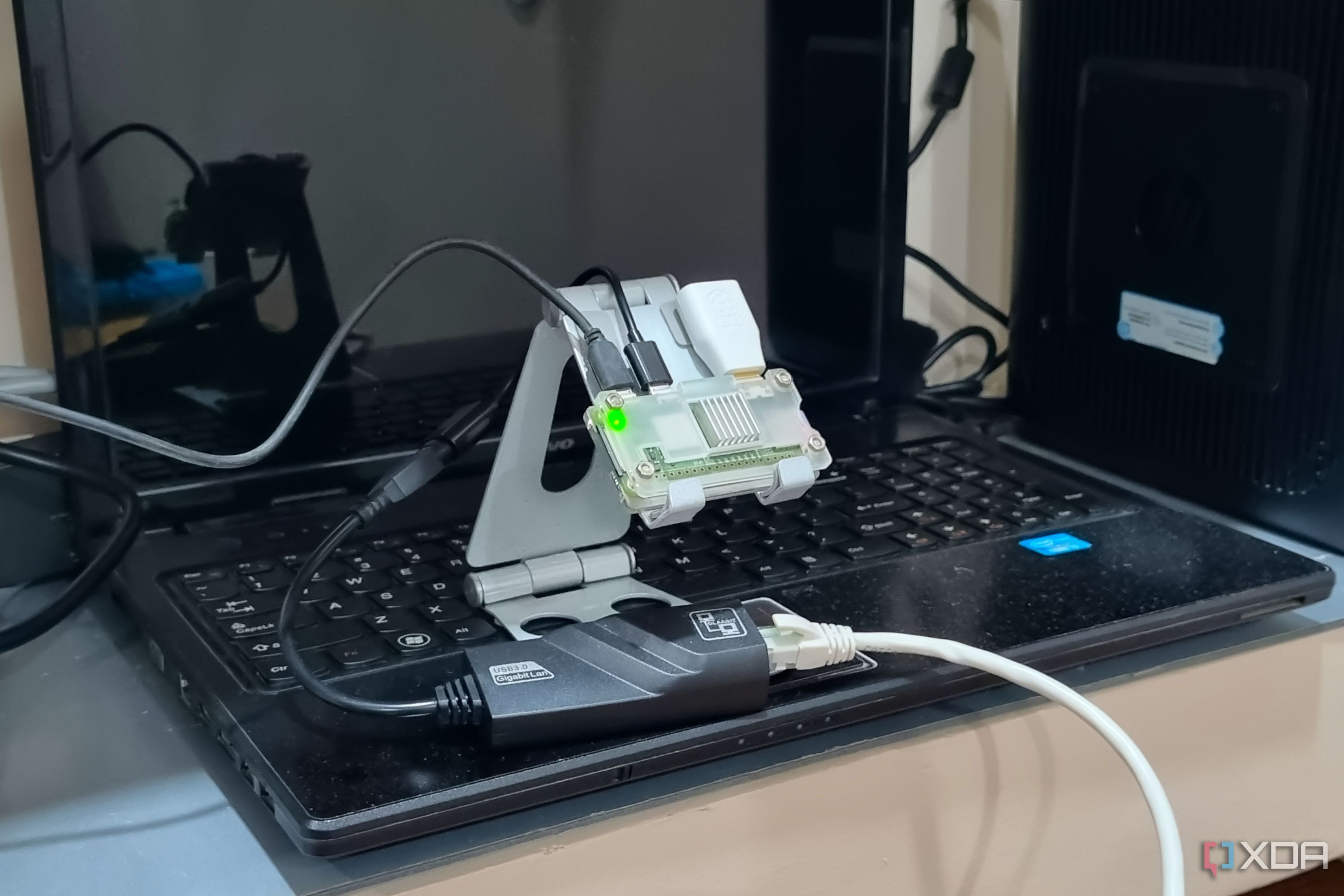
The Raspberry Pi Zero 2 W, a small upgrade from its predecessor, doesn't offer significant improvements in memory or processor performance. Despite this, it proves to be an excellent choice for learning, interacting with the board via CLI or SSH, and running lightweight containers. My experience began with a Raspberry Pi Zero 2 W, which led me to purchase another one for a distinct purpose.
After optimizing the board extensively, I discovered its usefulness in niche projects, particularly for running Pi-hole. This privacy-focused solution helps block ads, tracking, and public DNS logging. Despite being the least-preferred Raspberry Pi board, it efficiently runs Pi-hole, proving its worth in specific scenarios. Installing Pi-hole can be done using Docker, which simplifies dependency management and troubleshooting.
Pi-hole creates a DNS sinkhole that intercepts DNS requests from devices, using a blocklist to block ads and tracking. Unbound, a more secure recursive DNS service, can be used in conjunction with Pi-hole to enhance the browsing experience. However, running these components on a Raspberry Pi Zero 2 W with only 512MB of memory requires careful consideration.
DietPi, a lightweight operating system, is an ideal choice, consuming only 70MB of memory. Despite the limited memory, Docker requires an additional 50MB, leaving ample resources for Pi-hole and Unbound. To ensure the setup remains stable, I utilized a self-healing script that automatically troubleshoots common issues, such as Pi-hole or Unbound failures, without requiring manual intervention.
This setup transforms a Raspberry Pi Zero 2 W into a powerful, privacy-focused hub for my home network, handling DNS queries and delivering an ad-free browsing experience.
Written by urgent.news from XDA Developers's reporting — not their text. Machine-written — may contain errors; check the original before relying on it.