Must another child die before we take school safety seriously? — Nurulwahida Azid@Aziz and Muhammad Noor Abdul Aziz
OCTOBER 23 — Every morning, thousands of Malaysian parents send their children to school with one simple expectati...
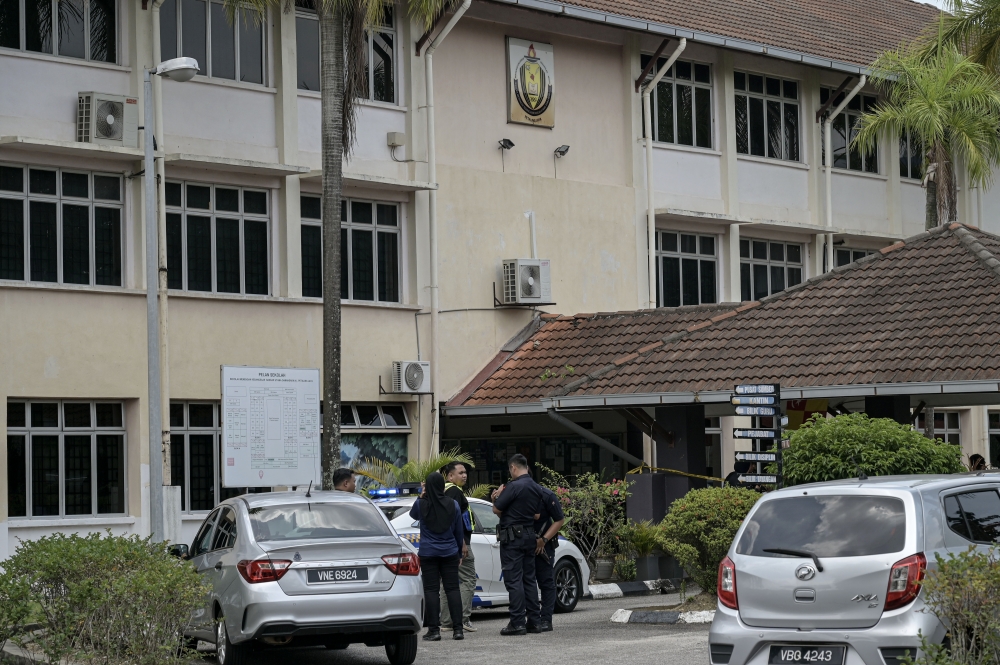
October 23 — Every Malaysian parent sends their children to school, assuming they will return home safely. However, recent incidents have cast doubt on the safety of our schools. The tragic death of a teenager in Yong Peng, Johor, and the subsequent murder charge against a 16-year-old classmate have left the nation in shock. While the court case continues, we must not speculate on the details or motives.
Instead, this tragedy should prompt us to address a broader concern: the emotional well-being of students. School safety has traditionally focused on fences, guards, CCTV cameras, and disciplinary rules. While these measures are essential, they cannot solve every threat. The most dangerous issues often stem from unaddressed emotions.
Our research at Universiti Utara Malaysia involving nearly 700 students aged 13-16 from 23 secondary schools reveals that bullying comes in many forms. It includes physical aggression, verbal humiliation, rumors, and harmful digital messages. This research challenges the notion that a school is safe solely because physical fights are rare.
A student may seem happy in class while silently dealing with rejection, humiliation, or intimidation. Bullying can also be a tool for dominance rather than a sign of insecurity. The link between self-esteem and bullying is complex. Some bullies feel powerful, not insecure. This insight is crucial. Bullying is not just a discipline issue; it's about relationships, emotions, empathy, and respect.
We teach students to excel academically, but can they manage emotions like anger, jealousy, embarrassment, or rejection? These feelings are common during adolescence. What matters is how students respond. Feeling rejected doesn't justify threatening others. Anger doesn't justify violence. Feeling powerful doesn't justify humiliation.
Emotional control should be a daily focus, not just discussed after a tragedy. Moral Education and Islamic Education are vital for nurturing values. Yet, teaching kindness and respect is different from actually practicing them. Schools should leverage co-curricular activities, clubs, and uniformed bodies to foster emotional awareness and positive relationships.
Role-playing activities could teach students how to handle rejection, resolve conflicts, and manage anger. Peer mentoring programs could support younger students, and uniformed bodies could promote awareness of bullying and safe reporting. Crucially, students must understand that speaking up will lead to protection, not more humiliation.
School safety is a shared responsibility. The Ministry of Education, state education departments, and district offices must strengthen safety plans to address both physical and emotional risks. Schools need confidential reporting systems, adequate counseling support, and teachers capable of spotting early warning signs. Parents should also be vigilant about changes in their children's behavior, friendships, and online activities.
Sometimes, a simple conversation can uncover issues that school reports miss. Our research underscores that prevention must start before bullying becomes normalized or emotional distress goes unnoticed. Malaysia cannot afford another tragedy to remind us that children deserve protection. A truly safe school is one where every child feels respected, heard, and protected.
The true measure of school safety is not just how quickly we respond to a tragedy, but how seriously we work to prevent one.
Written by urgent.news from Malay Mail's reporting — not their text. Machine-written — may contain errors; check the original before relying on it.