Mother Bats’ Hearts Quicken When They Hear Baby’s Cries
Like humans, bat moms are primed by evolution to spring into action The post Mother Bats’ Hearts Quicken When They Hear Baby’s Cries appeared first on Nautilus .
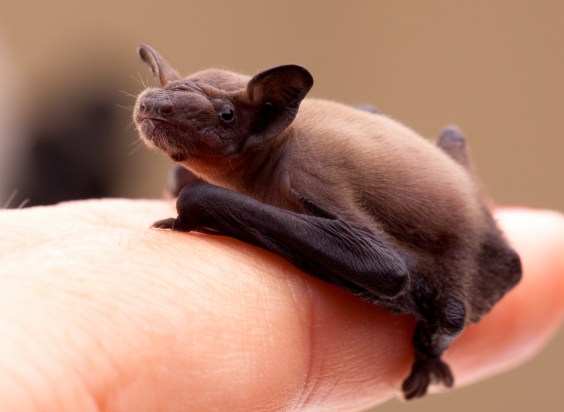
Recent findings in the realm of ethology reveal that mother bats respond physiologically when they hear the cries of their baby pups. The study, published in Frontiers in Ethology and conducted by neuroethologists from Japan, observed the reactions of captive Japanese house bats (Pipistrellus abramus) to their pups' isolation calls. These cries are distinct squeaky clicks that signal distress or the need for assistance.
The inspiration for the study came from an observation in a laboratory colony where a mother bat immediately responded to her pup's isolation call, rushing to reunite them. The researchers began with four pregnant bats, each of whom gave birth to three pups. When the pups were just two days old, their isolation calls were recorded using ultrasonic microphones. The researchers then played these recorded calls back to the mothers once the pups had matured and transitioned to echolocation calls used for hunting.
The results were clear: a bat mother's heart rate increased by up to 70 beats per minute when listening to the recorded isolation calls of her own pups. This physiological response, captured through ECG recordings, indicates a heightened state of alertness and readiness to act. Such a response could be crucial in helping a mother bat locate her offspring among hundreds of bats in a colony, given their distinct sounds.
Interestingly, the researchers found that the strength of a mother's physiological response varied. Her reaction to the echolocation calls of her mature offspring was even more pronounced, possibly because she had become familiar with the sounds over time. The study also noted that bat pups' calls change daily as they mature, suggesting that a mother's recognition abilities may continuously adapt as her pups grow.
A surprising aspect of the study was the detection of a heart rate response in some mothers to calls of unfamiliar adult males. While this observation adds complexity to bat social behavior, it remains unclear whether this reaction is a positive arousal or a negative response to a perceived threat. Regardless, the findings highlight the deep emotional and physiological bonds within bat colonies, shedding light on the evolutionary origins of such behaviors.
Written by urgent.news from Nautilus's reporting — not their text. Machine-written — may contain errors; check the original before relying on it.