Maximum coalition, minimum performance
Political stability at the elite level has not yet translated into improvements in the economy, public services and the quality of governance.
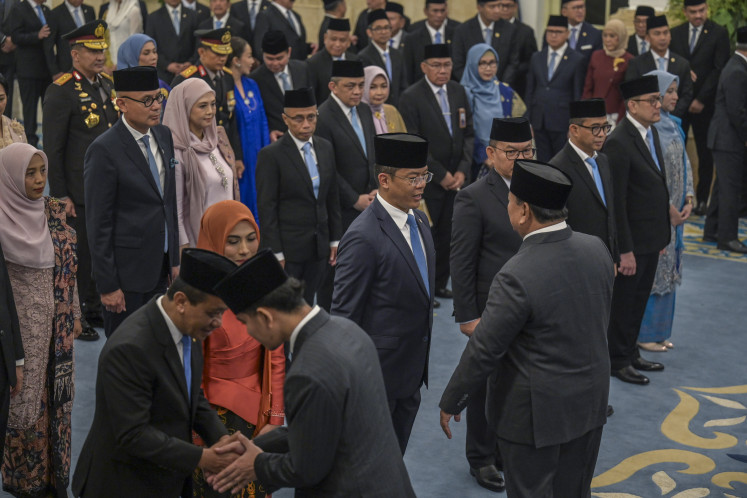
The political landscape in Indonesia is characterized by a massive coalition government, but this extensive unity has not led to enhanced performance in key areas. President Prabowo Subianto's administration, now in its second year, has faced a significant disconnect between its extensive power base and the public's perception of positive outcomes.
Despite growth figures appearing favorable, public evaluations of the economy remain pessimistic. Similarly, while inflation is under control, citizens lament rising costs of essential goods. The government's programs are touted as successful, yet the public's backing continues to dwindle.
The large, stable coalition has successfully maintained political stability at the elite level. However, this broad-based support has not translated into tangible improvements in the economy, public services, or governance quality. Originally, the administration's high initial approval ratings of up to 80 percent suggest strong public expectations. Yet, the first two years of Prabowo's tenure have exposed a stark contrast between the scale of power held and the tangible benefits felt by the populace.
A recent national survey conducted by Saiful Mujani Research and Consulting (SMRC) highlights this disconnect, with public satisfaction at just 44.5 percent, compared to 53 percent expressing dissatisfaction. The sheer size of the cabinet and the multitude of parties and groups within the coalition have increased coordination costs and weakened the legislature's ability to oversee and correct policies.
The administration's efforts to accommodate every political force have led to a "supersize" coalition, which may be politically stable but is evidently not yielding the desired performance in crucial sectors.
Written by urgent.news from The Jakarta Post's reporting — not their text. Machine-written — may contain errors; check the original before relying on it.