Japan’s MMX mission will reveal the origins of weird Martian moons
Although Phobos and Deimos may look like lumpy space potatoes, they’re actually moons of Mars. No one knows how they formed, but a newly launched spacecraft should soon offer answers
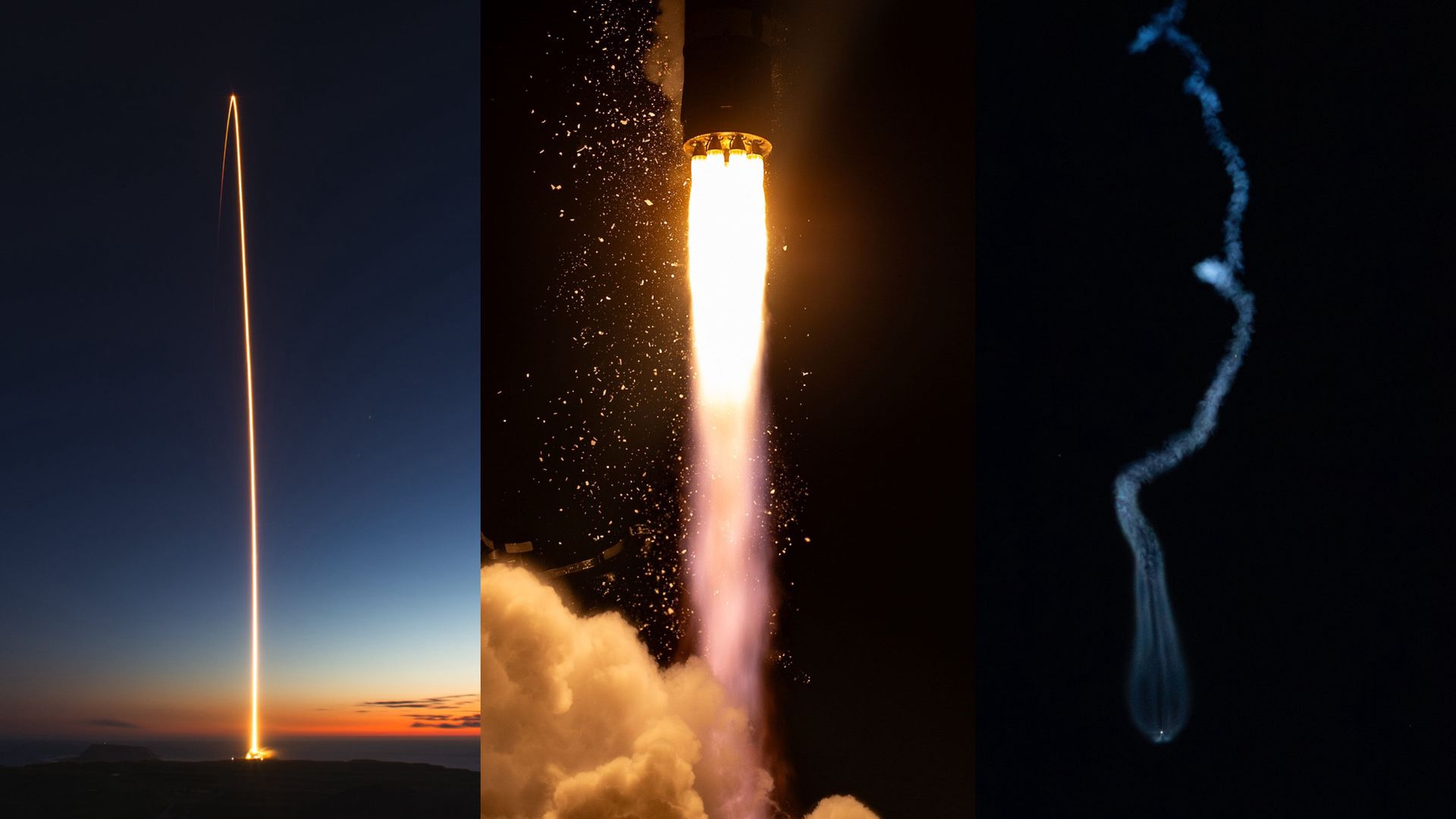
Japan’s MMX mission is set to uncover the origins of Mars' peculiar moons, Phobos and Deimos. Although these moons resemble lumpy space potatoes, their formation remains a mystery. Launched on October 19 by the Japan Aerospace Exploration Agency (JAXA), the ambitious MMX spacecraft will study the Martian moons, landing on Phobos and deploying a rover on its surface to collect a sample of regolith – the powdery material created by meteorite impacts and thermal weathering.
The mission aims to return the sample to Earth for analysis, with the spacecraft making a flyby of Deimos for close-up observations before returning to Earth in 2031. The rover is a joint effort between France’s CNES and Germany’s DLR, named Idefix, and is designed to measure surface temperature, mineralogy, and the cohesion strength of regolith grains.
The intriguing origin story of Mars' moons stems from their unusual formation and placement. Scientists propose various hypotheses, including capture by Mars, formation from a large asteroid impact, or co-formation with Mars.
Written by urgent.news from Scientific American's reporting — not their text. Machine-written — may contain errors; check the original before relying on it.