Japan's core inflation exceeds BoJ target, cements near-term rate hike chance
TOKYO: Japan’s core consumer inflation exceeded the central bank's two per cent target in September for the first time in nine months, data showed on Friday, a sign of broadening price pressure that cements the case for a near-term interest rate hike.
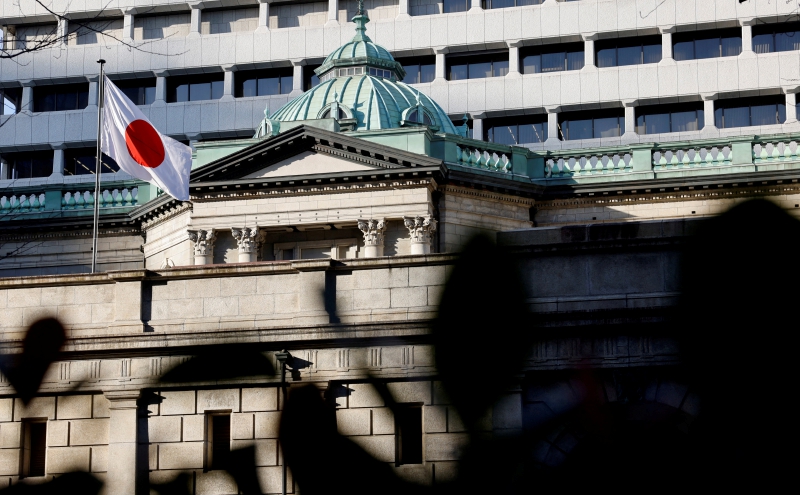
Japan's core consumer inflation surpassed the central bank's two percent target in September for the first time in nine months, indicating expanding price pressures that support the case for an imminent interest rate hike. Factors contributing to this rise include higher fuel costs from the ongoing Middle East conflict, elevated import prices due to the weak yen, and increased demand for artificial intelligence-driven products, which counteracts the impact of government fuel subsidies.
The Bank of Japan (BoJ) has just raised interest rates last month and is now poised to maintain its stance next week but may adjust its inflation forecast and hint at further rate hikes, according to Reuters sources. Senior economist Masato Koike of Sompo Institute Plus anticipates core inflation to accelerate due to rising energy costs from the Middle East conflict, but notes that sharp acceleration is not yet evident, suggesting a potential rate increase in December instead of in October.
The core consumer price index, which excludes volatile fresh food but includes fuel costs, increased 2.1 percent in September year-over-year, surpassing market forecasts and rising from a 1.7 percent increase in August. When fuel costs are excluded, the index rose 2.4 percent year-over-year, up from a 1.9 percent gain in August.
This acceleration in goods prices, along with a rise in services inflation to 1.5 percent in September from 1.2 percent the previous month, suggests that firms are passing on higher labor costs stemming from a tight labor market. The data will be among the factors the BoJ will examine in preparing its quarterly growth and price forecasts during its two-day policy meeting, which concludes on October 30.
Sources indicate the BoJ may highlight that underlying inflation, or the broad price trend excluding temporary, one-off factors, is likely to reach two percent, while emphasizing its commitment to anchoring inflation around the target. Governor Kazuo Ueda previously stated that the BoJ will not accept any inflation overshoot, demonstrating its determination to continue raising rates following its recent hike to a 31-year high of 1.25 percent.
Recent surveys have shown little evidence that past rate hikes have dampened loan demand, suggesting the possibility of additional rate increases and drawing attention to the BoJ's assessment of lending conditions. Many analysts polled by Reuters expect the BoJ to raise its policy rate to 1.50 percent in December, with a projected terminal rate of around 1.75 percent or two percent.
Marcel Thieliant, head of Asia-Pacific at Capital Economics, predicts the BoJ will hold policy steady next week but signal ongoing concerns about inflation risks. With limited evidence that tightening measures have already curbed economic activity, the focus is shifting towards a higher peak in the policy rate than the current forecast of two percent, according to Thieliant.
Written by urgent.news from New Straits Times's reporting — not their text. Machine-written — may contain errors; check the original before relying on it.
This story
This is one outlet's version. Read the fullest account.