Inside Paris Hilton’s house party for celebrities and creators with ADHD
Last week, 200 neurodivergent influencers, entrepreneurs, actors, musicians, authors, and other public figures were “ sliving ”—or slaying at living—their best life at Paris Hilton’s Beverly Hills mansion in celebration of ADHD Awareness Month. The first annual Unstoppable ADHD Creator Summit featured alpacas, a ball pit, a giant slide, a bouncy castle, and endless free merch—including Paris…
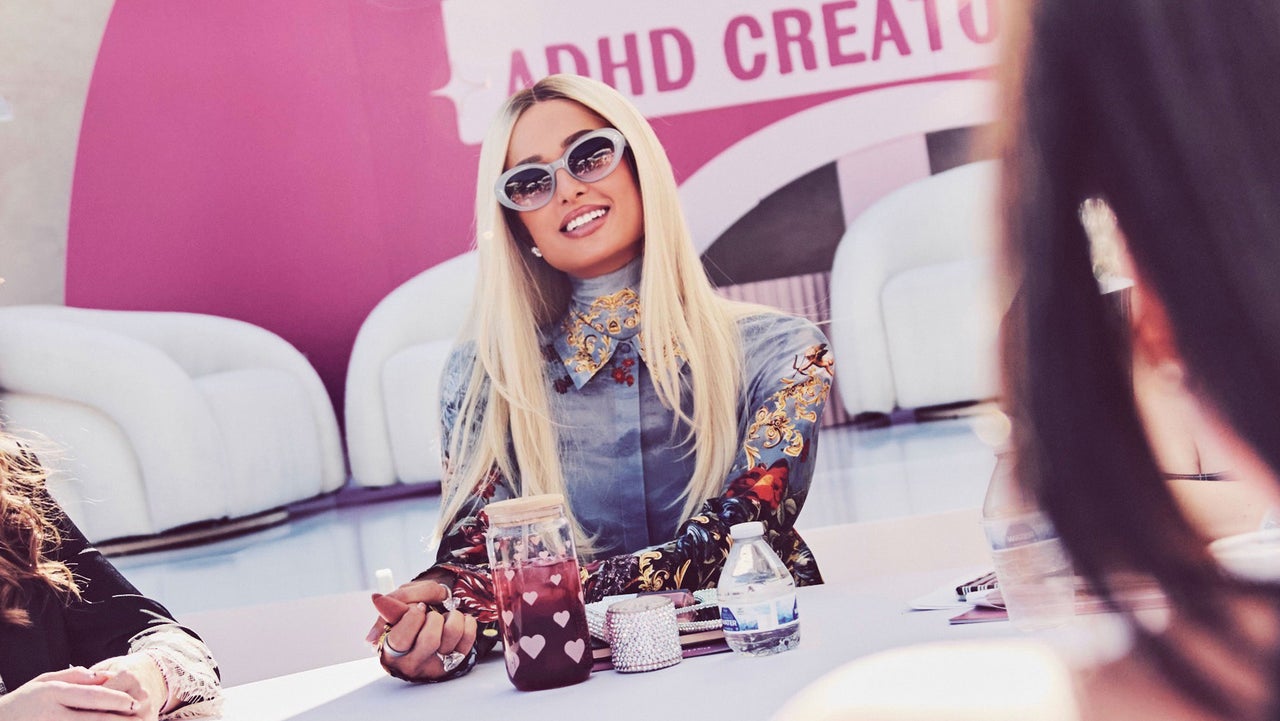
Last week, a gathering of over 200 neurodivergent influencers, entrepreneurs, actors, musicians, authors, and public figures took place at Paris Hilton's Beverly Hills mansion as part of the first annual Unstoppable ADHD Creator Summit. The event, which celebrated ADHD Awareness Month, featured various attractions including alpacas, a ball pit, a giant slide, and bouncy castle, along with free branded merchandise.
The mansion, described as a cross between a Beverly Hills mansion, a French chateau, and Barbie's Dreamhouse, hosted notable attendees such as Lizzo, Haley Baylee, Rebecca Zamolo, Whitney Cummings, Miranda Cosgrove, and Tanner Smith.
Organized by the host herself, Paris Hilton, the summit aimed to bring together neurodivergent individuals and provide a platform to share personal experiences and knowledge about ADHD. The event was supported by experts from Understood.org, Cornell University's medical school, and the mental health nonprofit Jed Foundation. Hilton, who was diagnosed with ADHD in her late 20s, opened up about her condition and the impact it has had on her life, stating that she wanted to create an event that represented the brilliant and creative individuals who live with ADHD.
Guests shared their experiences with neurodiversity, many of which were emotional and highlighted the challenges faced due to symptoms such as impulse control, task avoidance, restlessness, and rejection sensitive dysphoria. The summit also addressed common myths about ADHD, such as the belief that it mostly affects boys and men, that it can be outgrown, or that symptoms are caused by screen time rather than genetics.
Research has shown that neurodivergent people are more likely to be entrepreneurs, creators, and those in the creative industries, and that accommodating their needs can lead to increased team productivity and reduced turnover in the workplace.
Written by urgent.news from Fast Company's reporting — not their text. Machine-written — may contain errors; check the original before relying on it.