Inburgering with Dutch News: the great cycle path squeeze
You can’t have failed to notice that Dutch cycle paths are no longer the preserve of old-fashioned cyclists. E-bikes, fatbikes,...
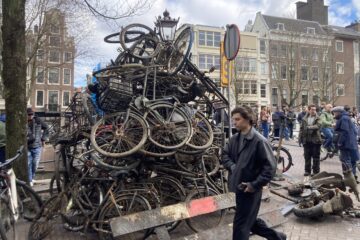
Dutch cycle paths are no longer exclusive to traditional cyclists, as e-bikes, scooters, and other vehicles have taken over. The rules and regulations for these vehicles are complex and often confusing. Fatbikes, with their thick tires and riders, do not require helmets, driving licenses, or insurance, and can travel up to 25 kph.
However, there are plans to make helmet-wearing compulsory for riders under 18. Electric bikes, both fat and non-fat, follow the same rules as fatbikes. Electric cargo bikes, or moedermobiel, are often perceived as taking up too much space and can be found outside schools. Speed pedelecs, which can reach speeds of up to 45 kph, are treated as motorcycles and require helmets, licenses, and insurance.
Snorfietses, or mopeds, also require helmets, licenses, and insurance, even though they share the same speed limit as electric bikes. Scootmobiel, motorized wheelchairs, pose a significant danger, with a traffic death rate over six times higher than that of motorbike riders. The Canta, a small electric vehicle for disabled individuals, behaves like a scootmobiel but is treated differently due to its disability status.
Micro cars, such as the Birò, are banned from cycle paths but often used by drivers to escape traffic jams. Electric scooters, or light electric vehicles, are officially allowed on cycle paths at 25 kph, but their popularity is growing rapidly.
Written by urgent.news from DutchNews's reporting — not their text. Machine-written — may contain errors; check the original before relying on it.