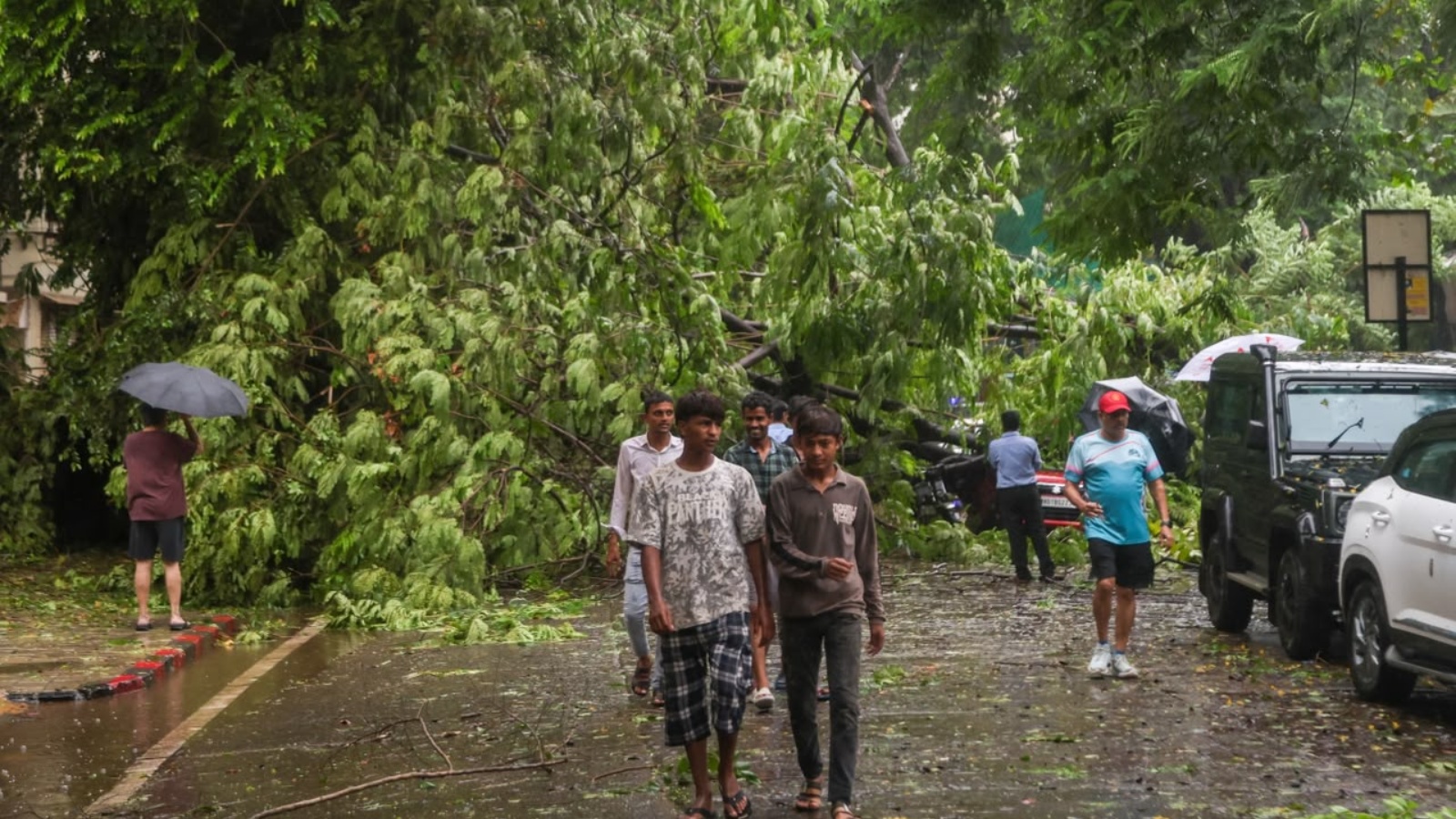
How Hong Kong can go from passive trade hub to regional control tower
This year has opened a rare window of relative calm in global commerce. On October 8, the World Trade Organization doubled its forecast for global goods trade growth, from 1.9 to 3.9 per cent. The easing of US-China and Europe-China tensions has given open economies some breathing space. Hong Kong has seized the moment. Its exports rose 42.5 per cent year on year in the first eight months of…
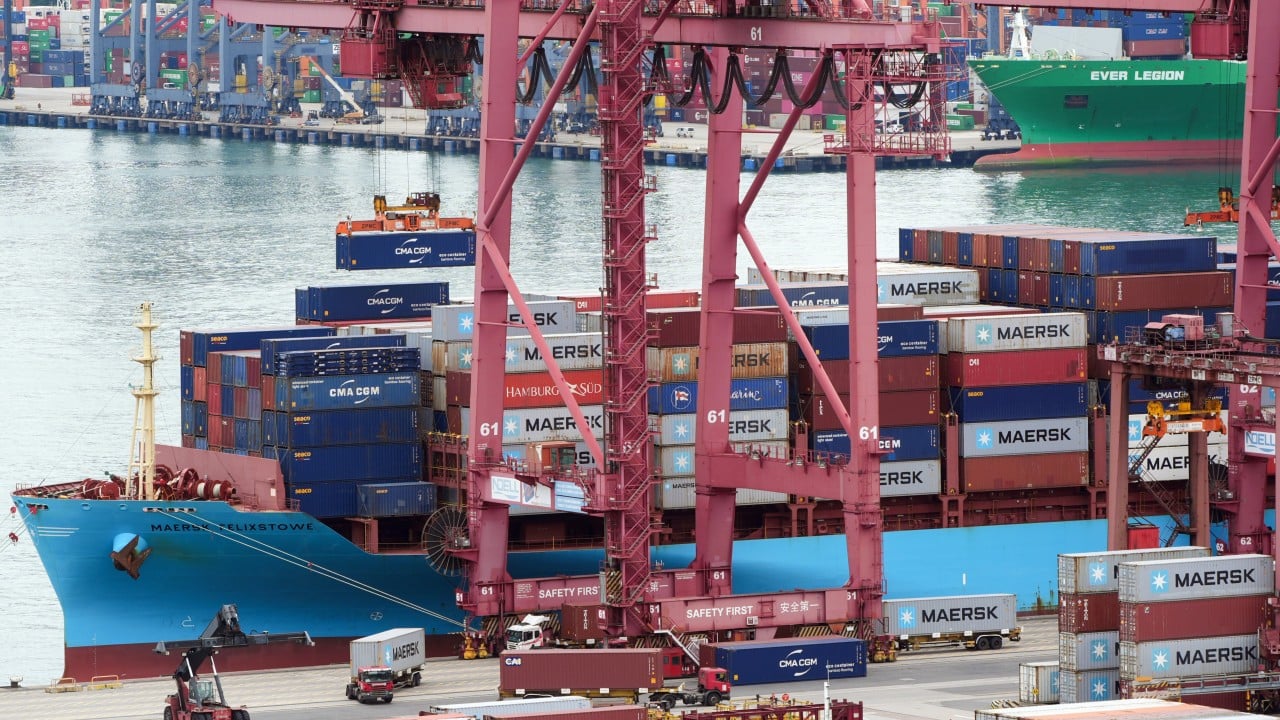
A government warning in Hong Kong has cautioned that severe air pollution has reached serious health risks over the past two days, urging elderly and vulnerable individuals to remain indoors until sunset. Air quality health risk levels have risen at several roadside monitoring stations, with the Air Quality Health Index reaching a "serious" level at Tuen Mun station twice in a day.
The pollution persisted the following day, with Central/Western, Southern, Tsuen Wan, Tuen Mun, and Sha Tin stations recording "high" health risk levels. Professor Ho Kin-fai from the Chinese University of Hong Kong's Jockey Club School of Public Health and Primary Care attributed the surge to elevated ozone levels caused by sunlight, high temperatures, and light winds bringing pollutants to the city.
Ozone is the primary reason for the high health risk readings, and the situation is expected to persist over the next few days. The health risk level is measured on a scale from 1 to 10, and when the index reaches "high," the department advises children, the elderly, and those with heart or respiratory conditions to reduce outdoor physical activity and stay indoors when the level reaches "serious."
For healthy adults, shortening workout durations or exercising later at night is recommended, as ozone levels gradually decline after sunset. Air quality is usually worse in winter due to meteorological conditions, such as the northeast monsoon bringing air pollutants from mainland China. However, air quality in the Pearl River Delta region has improved over the past two decades.
Wind speed and cooler temperatures also influence air quality, with strong winds lifting pollutants high into the atmosphere and colder air leading to temperature inversions that slow dispersion and cause pollutants to accumulate near the ground. The potential impact of Tropical Cyclone Champi on Hong Kong's air quality is uncertain, but its subsiding air could potentially affect the city.
Written by urgent.news from South China Morning Post's reporting — not their text. Machine-written — may contain errors; check the original before relying on it.
This story
This is one outlet's version. Read the fullest account.