How AI is driving the future of clean water and energy at WETEX 2026
Artificial intelligence was the main topic of conversation for almost everyone on day two of Dubai’s Water, Energy, Technology and Environment Exhibition (WETEX), which is taking place this week at Dubai World Trade Centre. Ask whether AI belongs at a green energy event, and almost everyone agrees that while it currently consumes too much water and drives up electricity demand, the answer is not…
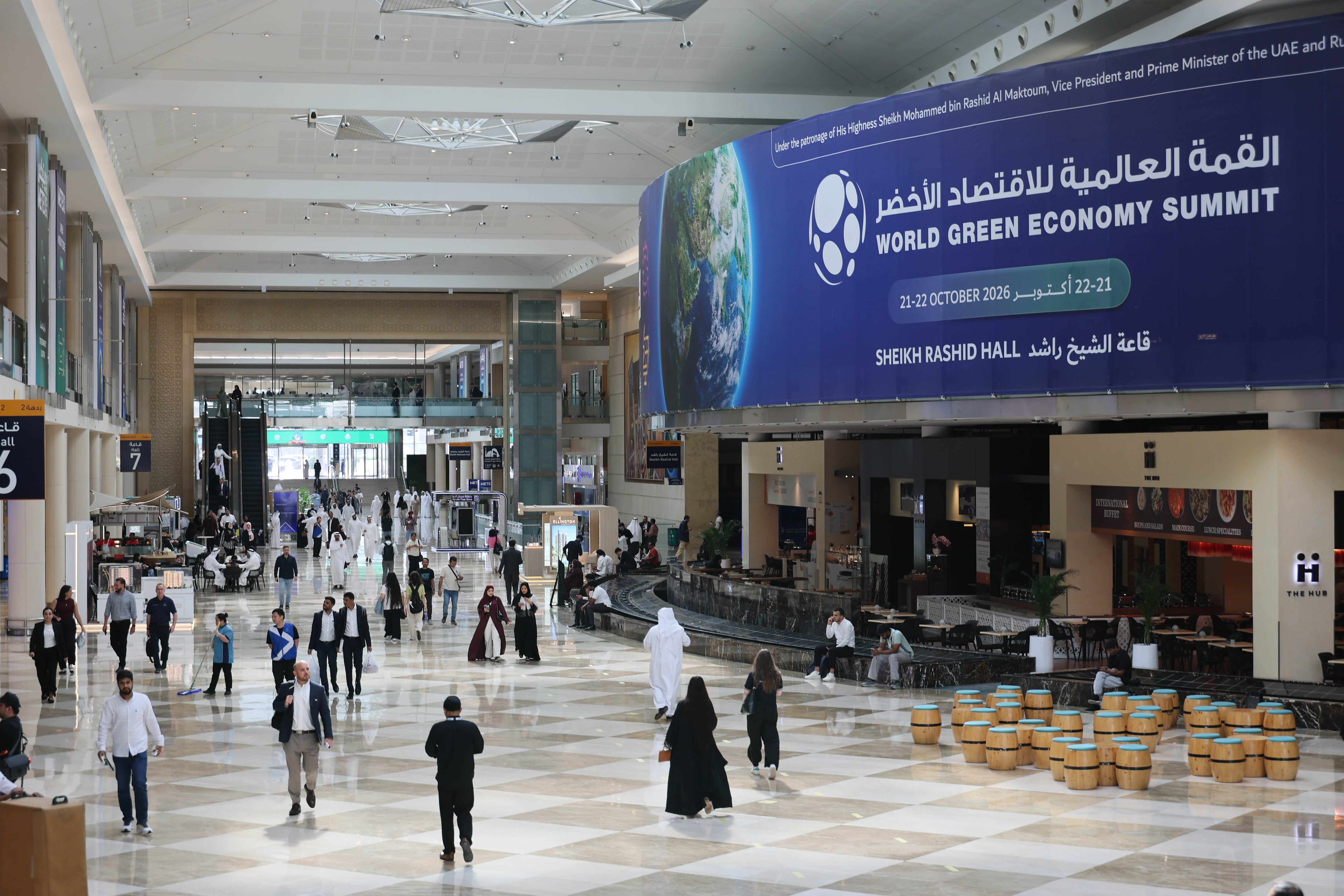
On day two of Dubai's WETEX exhibition, artificial intelligence (AI) dominated conversations among industry leaders and attendees. While AI's current environmental impact has been debated, many agreed that AI should continue to advance rather than being abandoned. Companies showcased innovative solutions that leverage AI to improve energy and water systems.
Wissam Mahfouz, a partner at PwC Middle East, highlighted the importance of collaboration among various stakeholders, including utility companies, to find the right AI-driven solutions. AI enhances human capabilities, enabling faster and more efficient analysis of complex systems. However, Mahfouz acknowledged that AI consumption of energy and water will decrease as the technology becomes more efficient over time, especially with UAE's plans for solar-powered data centers.
Lucy Electric's general manager, Charbel Zouein, introduced a system called Synapse that uses machine learning and digital twin simulation to monitor underground power cables. This allows utility companies like DEWA to detect potential failures and schedule preventive maintenance, reducing unplanned shutdowns. The company also showcased its next-generation switchgear range, featuring medium-voltage distribution units with a lower environmental impact due to the absence of global warming potential-inducing gases.
Thermax Limited's managing director, Ashish Bhandari, discussed the company's focus on clean energy, water, and air pollution control. At WETEX, Thermax presented its Edge Live platform, which uses AI to extract more performance from existing energy, water, and pollution infrastructure assets. Bhandari emphasized that progress in technology, such as AI, cannot be halted and that the focus should be on making AI more environmentally friendly.
Infrastructure providers, like Sunten Electric Equipment Co, recognized AI's integration into product development roadmaps of major manufacturers. Siemens has reduced labor requirements by half in some applications through AI integration. Sunten is investing in research and development to create transformers specifically designed for AI data center requirements, aligning with the growing demand for clean energy to power AI systems.
Written by urgent.news from The National UAE's reporting — not their text. Machine-written — may contain errors; check the original before relying on it.
Also reported by 1 other outlet
- How AI is driving the future of clean water and energy at WETEX 2026 thenationalnews.com