France braces for more unrest as police tactics and weapons face scrutiny
Police across France are under pressure to maintain security during further protests expected in some cities, while facing scrutiny over their riot-control tactics used during previous unrest that left some teenagers seriously injured. Officers appeared outnumbered and overwhelmed during last weekend’s protests against rising living costs and poor conditions in schools. In response, France’s…
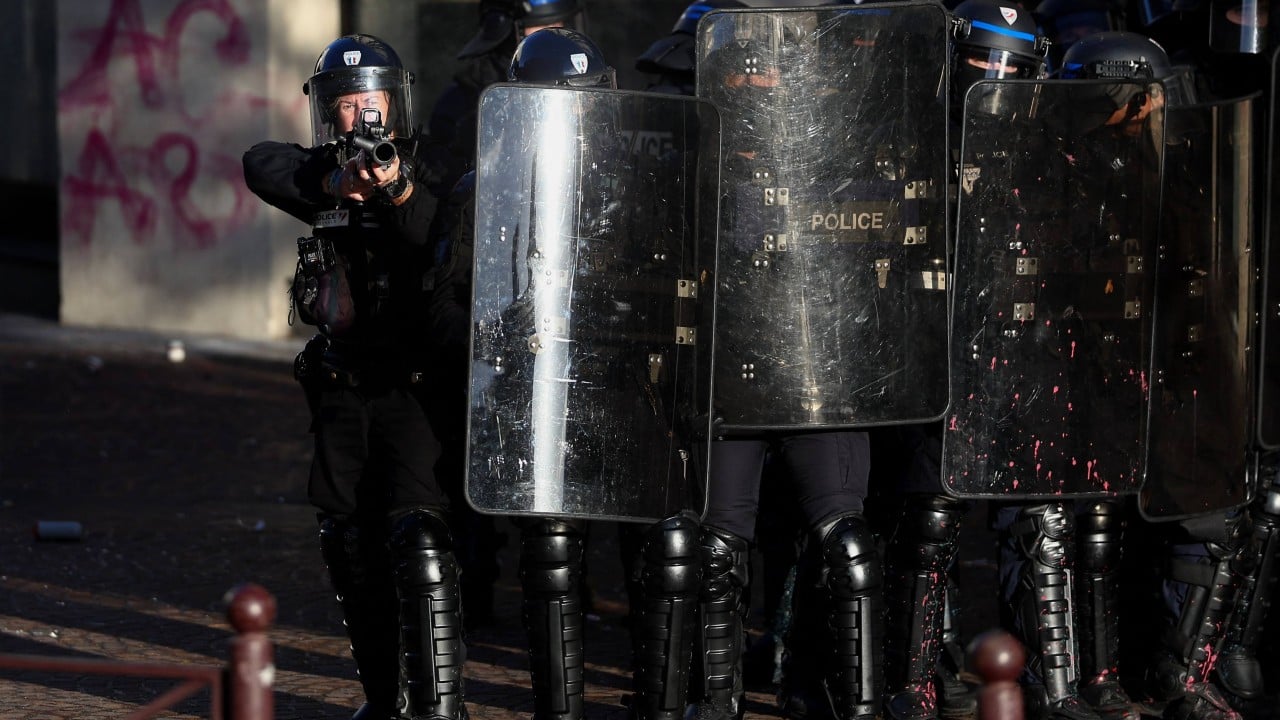
France is preparing for potential further unrest as police tactics and weaponry face increased scrutiny following recent protests. The Interior Ministry announced it will deploy 20 percent more police officers than during the previous weekend of unrest, despite regional authorities imposing bans on demonstrations in several major cities.
The heightened security measures come after injuries sustained by teenagers during previous protests, including a 17-year-old girl who lost an eye and a 17-year-old boy who lost a hand. French police are equipped with various non-lethal weapons, including batons, tear gas, sound grenades, foam-round launchers, and electric stun guns.
However, critics argue that the police have been too aggressive in their use of force, prompting calls for bans on certain weapons. Amnesty International has called for a permanent ban on stun grenades, citing their potential to cause permanent hearing loss and life-changing injuries. The use of foam-round launchers, while considered safer than rubber-bullet shotguns, has also been criticized due to the risk of serious injury.
French police forces are increasingly using intermediate-force weapons as a defensive response to perceived threats, but the effectiveness and safety of these measures are being questioned. Accountability is a concern, as foam-round launchers generally leave no traceable evidence of use. Police operational strategies have shifted towards maintaining distance from protesters, with fewer foot patrols and increased reliance on specialized riot-control units.
This approach differs from community policing models employed in many other European countries, where police officers often engage directly with demonstrators to de-escalate situations. French authorities have attributed much of the recent violence to far-left radicals, but there are concerns that the unrest has also attracted a wider range of participants, including radical groups, who engage in looting and other criminal activities.
Written by urgent.news from South China Morning Post's reporting — not their text. Machine-written — may contain errors; check the original before relying on it.