First human case of Shamonda virus: What is it, what are the risks
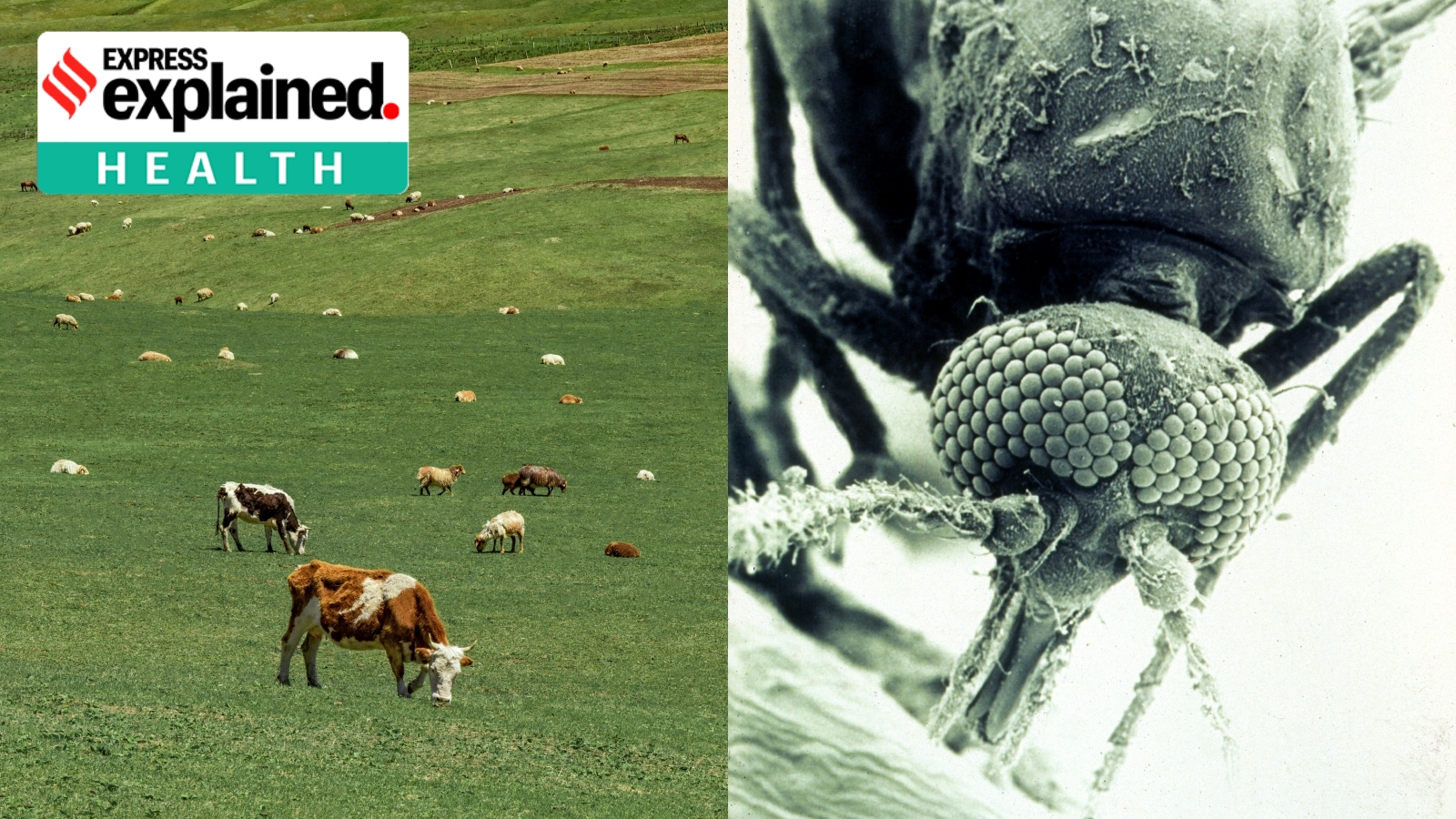
The Shamonda virus, a vector-borne virus belonging to the Orthobunyavirus genus, has been identified as the first human case in France, resulting in the death of a severely immunocompromised patient. This virus, first detected in cattle in Nigeria in 1965, has since spread to various regions in Africa, Asia, and Europe. It is primarily transmitted through bites from Culicoides midges, although cases in other animals such as sheep, goats, horses, and alpacas have been reported.
The virus, which comes in two variants - SHAV-EU1 and SHAV-EU2, has caused outbreaks in Europe this year, although the long-term impact and significance of these outbreaks in Europe remain unclear. The patient in France was a leukemia patient who presented with symptoms including blindness, confusion, and a coma. After ruling out other known pathogens, laboratory tests confirmed the presence of the Shamonda virus in the patient's cerebrospinal fluid.
Brief written by urgent.news from The Indian Express's own syndicated text. Machine-written — may contain errors; check the original before relying on it.