Farmers to tourists: Gifu’s rural festivals court new crowds to survive
With aging populations, the region's once-famous festivals find themselves relying on outside help to keep homegrown traditions going.
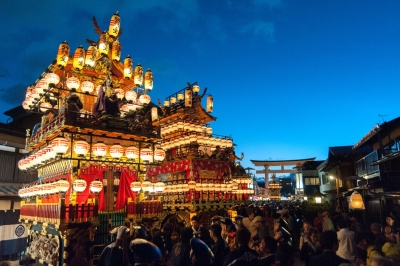
Ensuring the sustainability of rural festivals in Gifu, Japan, is a significant challenge facing traditional events. These festivals require a steady supply of young participants, a resource that is becoming increasingly scarce in rural Japan. Ryohei Teraji, chairperson of the Takayama Matsuri Yatai Preservation Association, emphasizes that the lack of volunteers is the primary issue threatening the festival's future. "No matter what, we’ll have no choice but to reduce the scale of our festival," he states.
Masaru Kose, a representative of Katsuragi no Sato, a onsen inn in northwest Gifu and organizer of the Fukuji Onsen Summer Festival, echoes this sentiment. "We were always a small village," he notes. "The dancers for our henbetei (lion dance) are inevitably getting older. It’s becoming incredibly difficult to pass on our traditions to the next generation."
The financial and logistical burden of maintaining these festivals is immense, especially when young people are less willing to spend their time away from modern amenities and career prospects in urban areas. The festivals, while deeply rooted in tradition, are finding it increasingly challenging to attract the necessary manpower to continue as they have for generations. The struggle is not just about financial viability but also about preserving cultural heritage in the face of modernization and changing societal norms.
Written by urgent.news from Japan Times's reporting — not their text. Machine-written — may contain errors; check the original before relying on it.