Clean Energy Has a Lot Riding on the AI Data Center Boom
The AI spending boom has raised red flags with investors this week.
Recent weeks have seen investors grappling with the potential risks of the AI and data center boom. CoreWeave, an AI infrastructure specialist, saw bond yields rise, signaling heightened risk perception among investors. Meanwhile, Meta reported negative free cash flow, indicating potential need for additional capital to fuel its AI buildout, impacting both its stock price and that of other major tech firms.
These developments have raised concerns on Wall Street about the rapid pace of data center expansion. How this plays out could have significant implications for the energy sector and climate change. A slowdown in new data center construction could ease pressure on fossil fuel generation, but it would also diminish the commercial case for clean energy technologies that depend on large, reliable energy consumers willing to pay a premium for power.
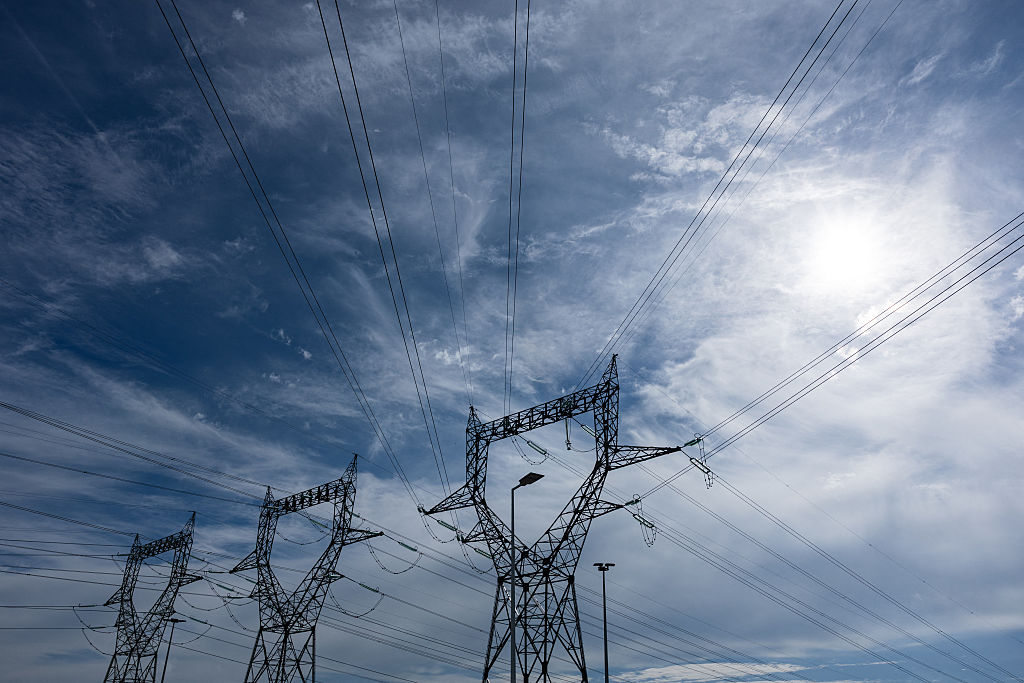
Data centers are expected to account for 20% of electricity demand growth in advanced economies like the U.S. through 2030. They are projected to consume 3% of global electricity by then. While this may seem beneficial for clean energy, it could also slow the adoption of innovative energy sources like advanced geothermal or nuclear power. These technologies, supported by big tech companies, are gaining financial backing in the pursuit of reliable power, potentially accelerating their development.
However, a reduced data center buildout could mean less incentive and financial capacity for investing in these cutting-edge energy solutions. Clean energy sources, including solar and battery storage, are already becoming increasingly cost-competitive. Moreover, rising fuel prices, particularly natural gas, are making local power generation more attractive.
Nonetheless, companies involved in sectors like air conditioning and electric vehicles, which are driving electricity demand growth, have less influence on local power systems and limited capital to impact them as extensively as tech giants.
In summary, the AI infrastructure recalibration may have both short-term and long-term consequences for clean energy and climate efforts. While a slowdown in data center expansion could ease pressure on fossil fuel generation, it could also hinder the development of innovative clean energy technologies that rely on substantial, reliable energy partners. Investors and stakeholders in clean energy and climate should closely monitor these developments.
Written by urgent.news from Time's reporting — not their text. Machine-written — may contain errors; check the original before relying on it.