China Cannot Remain the World’s Factory. What Comes Next?
Over the next few decades, China needs to move from being the factory of the world to an exporter of industrial and technological capabilities.
China's manufacturing dominance over the past four decades has been built on a bargain with the world, offering labor, scale, and an industrial ecosystem of unparalleled depth. In return, the world provided technology, capital, and markets. However, this partnership may soon change. The United States has imposed tariffs and export controls, while multinational companies have adopted "China plus one" strategies to ensure supply chain resilience.
Despite these challenges, China's exports continue to grow, helping to cushion its weakening domestic economy. In 2025, Chinese goods trade surplus reached an unprecedented $1.2 trillion.
However, this success comes with resistance. Both the United States and Europe are wary of China's manufacturing power. Developing countries, while admiring China's development experience, question the lack of opportunities for their own development. Countries are seeking factories, skilled workers, and technology transfer. China, traditionally the world's factory, now faces the challenge of remaining deeply embedded in a global economy increasingly shaped by protectionism and national security concerns.
China's answer may lie in a new role: shifting from being the world's factory to exporting industrial and technological capabilities. The key to this new model lies in the dense industrial ecosystem that China has cultivated around industries such as smartphones, electric vehicles, batteries, sensors, precision manufacturing, power electronics, robotics, and automation. This industrial ecosystem has created a flywheel of innovation, where knowledge compounds as it moves between industries, suppliers, engineers, and firms.
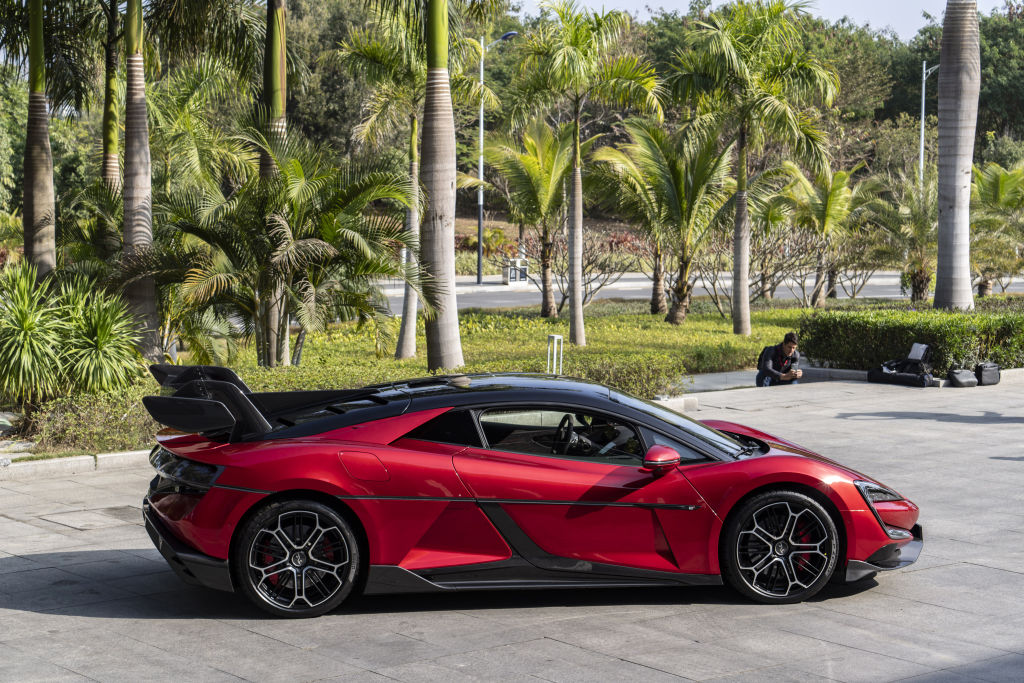
China can now export not just what it makes, but what it has learned about how to make it. Developing countries like Brazil, Indonesia, and Hungary are already adopting this approach. BYD, a Chinese automobile manufacturer, is moving from importing cars to manufacturing them locally and developing local suppliers. In Hungary, BYD is partnering with a European passenger-car factory and a research and development center that collaborates with local universities and companies.
In Indonesia, Chinese investment is helping to build an integrated battery industry, spanning from nickel processing to battery production and recycling.
This new model of Chinese globalization is not merely exporting Chinese-made products. Instead, it involves giving other countries access to the knowledge embedded within China's industrial ecosystem. By doing so, China can accelerate development elsewhere, fostering a different relationship with the world—one that is based on sharing capabilities rather than solely exporting manufactured goods.
This shift could prove beneficial for China in the long run, as countries increasingly seek more options and reduce their dependence on any single supplier, particularly when it comes to critical technologies like artificial intelligence.
Written by urgent.news from Time's reporting — not their text. Machine-written — may contain errors; check the original before relying on it.