CAMPUS SAFETY: Universities have policies to protect GBV victims, experts say, but not the will
A decade after Rhodes University students named alleged rapists, and New York revisits its laws following the Cornell case, experts say South African universities must protect student victims while cases are pending. This follows the Commission for Gender Equality saying that investigations are poor and that strengthened policies need to be implemented.
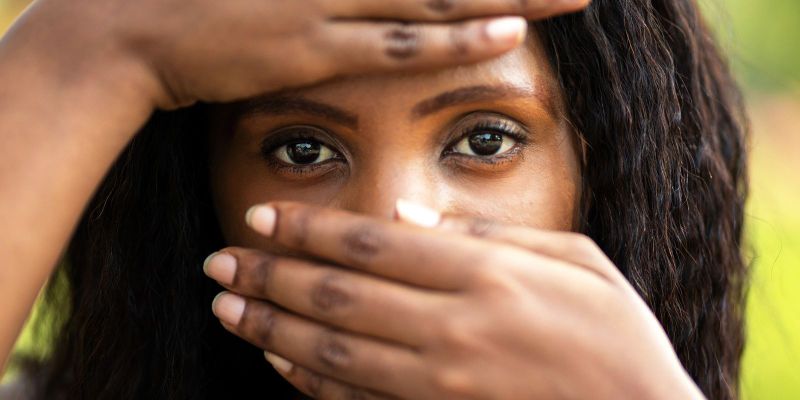
In South Africa, universities have policies in place to protect student victims of gender-based violence (GBV), according to experts. However, these institutions lack the willpower to effectively implement and enforce these policies, particularly during pending cases. A decade ago, students at Rhodes University named 11 male students accused of sexual assault and rape, sparking widespread protests.
The anonymous list accusing these men led to contentious reporting channels, with survivors often forced to share classes and residences with alleged abusers during lengthy proceedings.
Yolanda Dyantyi, a feminist activist and founder of the Archive Amabali Wethu NPO, argued that those facing rape allegations should be suspended from academic activities pending the outcome of internal disciplinary proceedings. She emphasized that the burden of the crime should not be carried solely by the victim and questioned whether universities possess the expertise and resources to conduct adequate investigations.
Dyantyi believed that universities could develop context-specific policies tailored to their own institutions to address GBV effectively.
The Commission for Gender Equality recently reported to Parliament on the implementation of GBV and sexual harassment policies in universities. While most institutions had such policies, their implementation was inconsistent, with only five universities sending audit updates. The report highlighted that investigations were slow, weak, and sometimes delayed during exams to allow accused students to finish.
Advocate Nthabiseng Sepanya, who presented the commission's findings, stressed the need for interim measures to protect complainants while cases were being investigated, rather than attributing the burden to the victim. She also rejected using alcohol consumption as an excuse for assault, emphasizing that it is merely an excuse and wrong.
Written by urgent.news from Daily Maverick's reporting — not their text. Machine-written — may contain errors; check the original before relying on it.