Blood sugar spikes after eating: What’s normal and when to worry
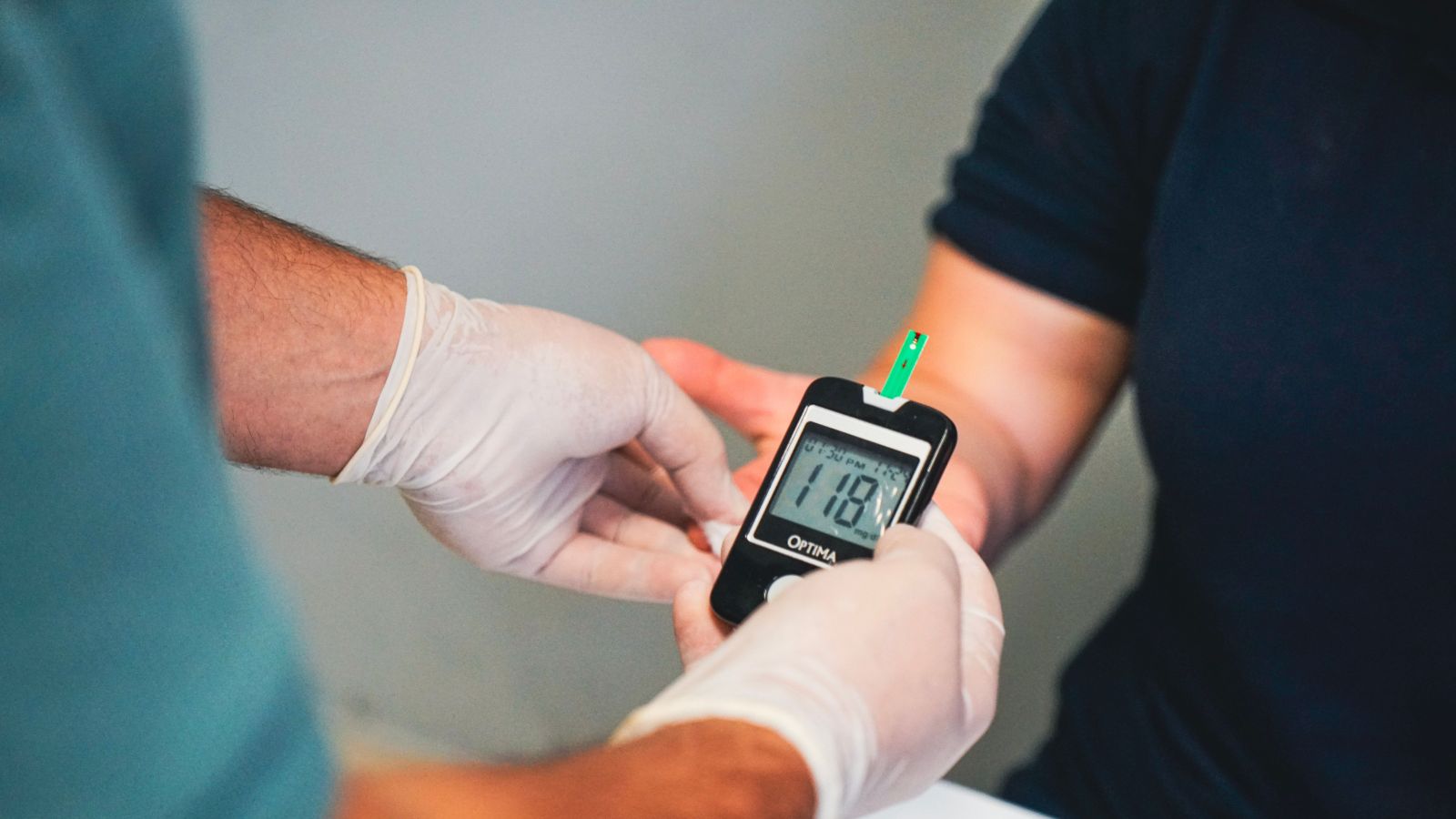
Rising blood sugar levels after consuming food are typically perceived as undesirable, especially on social media platforms where glucose control has become a prominent wellness topic. However, medical professionals emphasize that a temporary surge in blood glucose levels post-meal is a standard bodily response. The primary concern lies in the extent to which blood sugar levels rise, the duration of this elevation, and the frequency of these spikes.
Dr. Parul Khurana, a consultant physician at RG Hospitals, explains that when we consume food, especially carbohydrates, they are converted into glucose, which then enters the bloodstream. Consequently, the pancreas secretes insulin to facilitate the body's absorption and utilization of this glucose for energy. Consequently, minor fluctuations in blood sugar levels throughout the day are considered normal.
Dr. Khurana further states that when blood sugar levels become excessively high, persist for extended periods, or exhibit recurrent spikes, it warrants attention. She cautions that repeated elevated blood sugar episodes may indicate an underlying issue with glucose regulation, potentially escalating the risk of developing conditions such as prediabetes and type 2 diabetes.
However, she clarifies that a singular high blood sugar reading, whether in the morning or post-meal, does not confirm a diagnosis of diabetes or prediabetes.
Several factors can influence blood glucose levels, according to Dr. Khurana. These include the quantity and type of food consumed, physical activity, stress, insufficient sleep, illness or infection, specific medications, and pregnancy. Therefore, instead of fixating on individual spikes, individuals should prioritize maintaining overall good glucose control and metabolic health.
To achieve healthier blood sugar regulation, Dr. Khurana recommends consuming fiber-rich foods, incorporating adequate protein into meals, limiting highly processed carbohydrates, maintaining a healthy weight, engaging in regular exercise, and ensuring sufficient sleep. For individuals with diabetes or prediabetes, monitoring their glucose patterns and discussing consistently elevated readings with their healthcare provider is crucial.
Depending on the individual's case, tests such as fasting blood glucose and HbA1c may be recommended to evaluate overall glucose control.
Written by urgent.news from The Indian Express's reporting — not their text. Machine-written — may contain errors; check the original before relying on it.
Also reported by 1 other outlet
- Blood sugar spikes after eating: What’s normal and when to worry indianexpress.com