Beirut commuters switch to motorcycle taxis as rising fuel prices push up fares
Adam cannot afford to say no. Unlike most drivers of Beirut’s “servees ” – shared taxis, the most common form of public transport in Lebanon 's capital – he picks up almost anyone looking for a ride, even if it is for less than the set rate. “A lot of customers can’t afford the fare , so they offer 200,000 lira ($2.20) or less,” he told The National as he drove downtown. “People won’t ride if the…
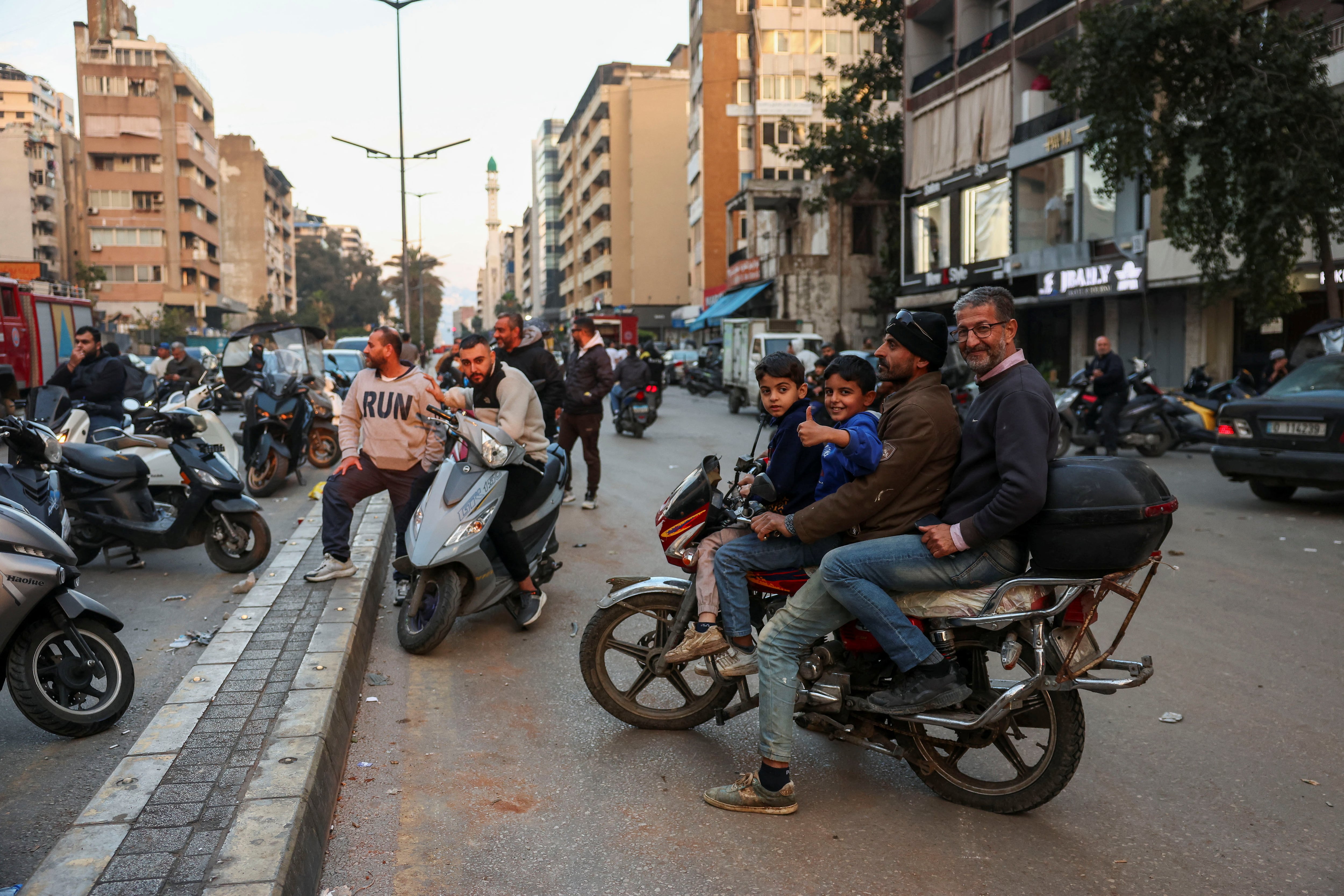
As fuel prices soar, many Beirut commuters are opting for motorcycle taxis, also known as "moto-taxis," due to the sharp increase in fares for shared taxis. Adam, a servees driver, must pick up anyone who can afford the fare, as customers struggle with the rising costs. The government imposed a fuel tax in February, causing fuel prices to nearly double since the Iran war began.
Beirut's servees drivers now charge fares at their discretion, while motorcycle taxis have become a cheaper and more popular alternative. Economic instability, coupled with high fuel prices, has made traditional taxis increasingly unaffordable for the average Lebanese. Motorcycle taxis have dominated Beirut's streets, with imports surging as people seek more affordable transportation options.
Some servees drivers have begun charging higher fares, but many continue to lower their prices to accommodate the financial pressures faced by passengers.
Written by urgent.news from The National Business's reporting — not their text. Machine-written — may contain errors; check the original before relying on it.
Also reported by 1 other outlet
- Beirut commuters switch to motorcycle taxis as rising fuel prices push up fares thenationalnews.com