Are Europeans putting profits over human rights in Vietnam?
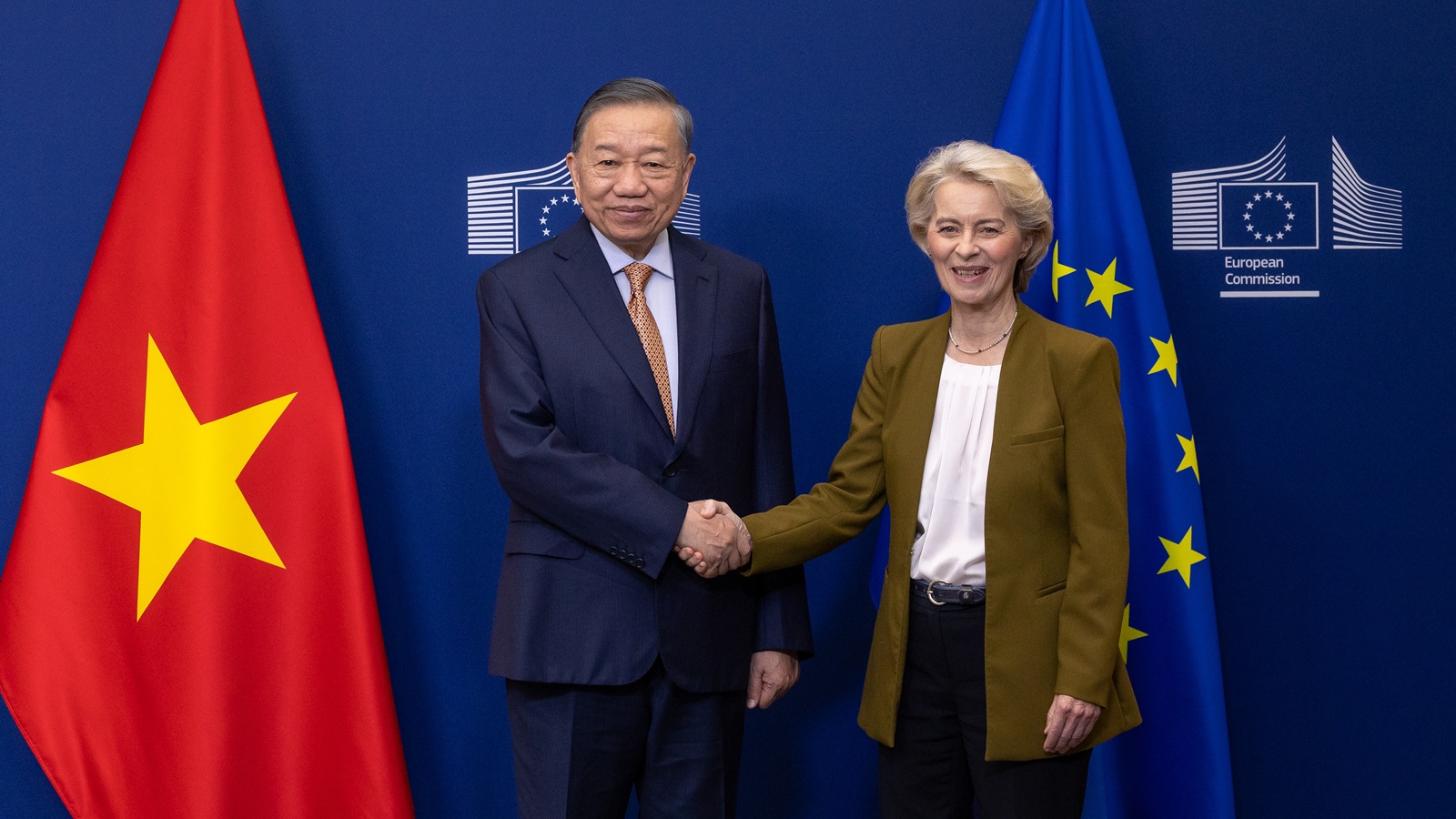
The Communist Party chief and president of Vietnam, To Lam, visited Brussels recently as part of an ongoing strengthening of relations between Vietnam and the European Union (EU). This visit follows the signing of a free trade agreement between Vietnam and the European Free Trade Association (EFTA) just days ago. The EU-Vietnam Free Trade Agreement (EVFTA), which took effect in August 2020, has significantly expanded commercial ties between Vietnam and most European countries.
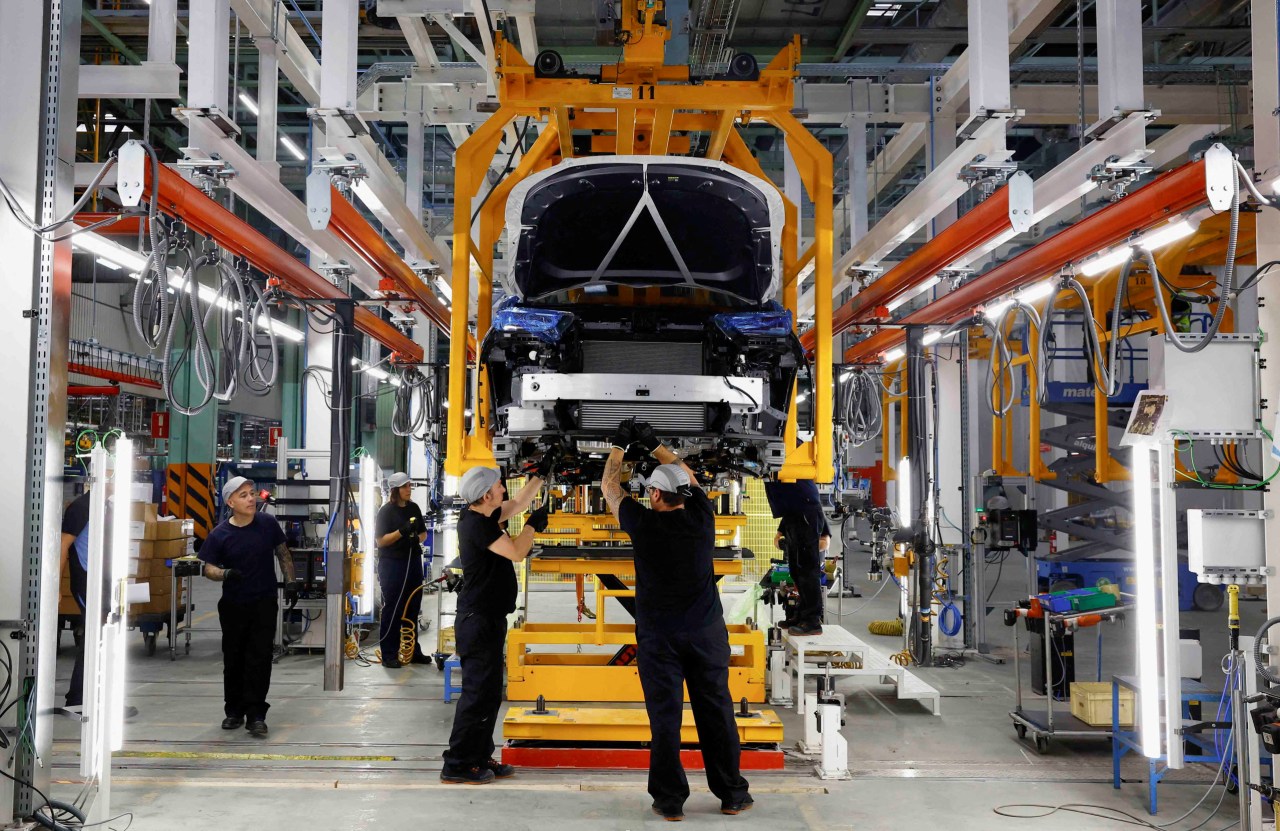
Trade between Vietnam and Europe has grown, with Vietnam becoming the EU's largest goods-trading partner in Southeast Asia and the EU's 14th-largest globally. However, concerns are rising about whether European companies are fully benefiting from Vietnam's economic growth and if Brussels is overlooking Vietnam's deteriorating human rights situation.
While Vietnam has agreed to comply with human rights, labor protections, and environmental standards as part of the EVFTA, rights organizations argue that Vietnam has not fulfilled these commitments. The EU has not taken any action in response to Vietnam's breaches of its EVFTA-related obligations. Additionally, European businesses are gaining unevenly from the EVFTA, with large foreign-invested manufacturers and established exporters better positioned to exploit tariff reductions than smaller domestic businesses.
The EU-Vietnam Investment Protection Agreement, signed in 2019, has not yet entered into force, adding another layer of complexity to the relationship.
Written by urgent.news from DW News's reporting — not their text. Machine-written — may contain errors; check the original before relying on it.
This story
This is one outlet's version. Read the fullest account.