AI music’s proliferation on streaming services has been a boon for this Spotify competitor
Like every other music streaming service, Qobuz has been enduring a sudden and violent surge of AI -generated audio, but Dan Mackta, Managing Director at Qobuz, refuses to use the term “AI music.” “I’ll call it music-esque content,” Mackta says of the tens of thousands of AI-created songs that hit music platforms daily. “Music goes straight to people’s emotions. It’s not something to fool around…
Spotify's streaming service faces a surge of AI-generated audio content, but not all is lost for competitors like Qobuz. Dan Mackta, Managing Director of Qobuz, does not consider this as "AI music" and deems it "fraud." Deezer also reports receiving 90,000 AI-generated songs daily. However, Qobuz has seen a significant boost in growth, with a 45.7% revenue increase in 2025 and 1.2 million monthly active users.
This growth can be attributed to increased brand awareness, endorsements, and viral internet moments, such as when Spotify ran ICE ads leading to a "land rush" towards Qobuz.
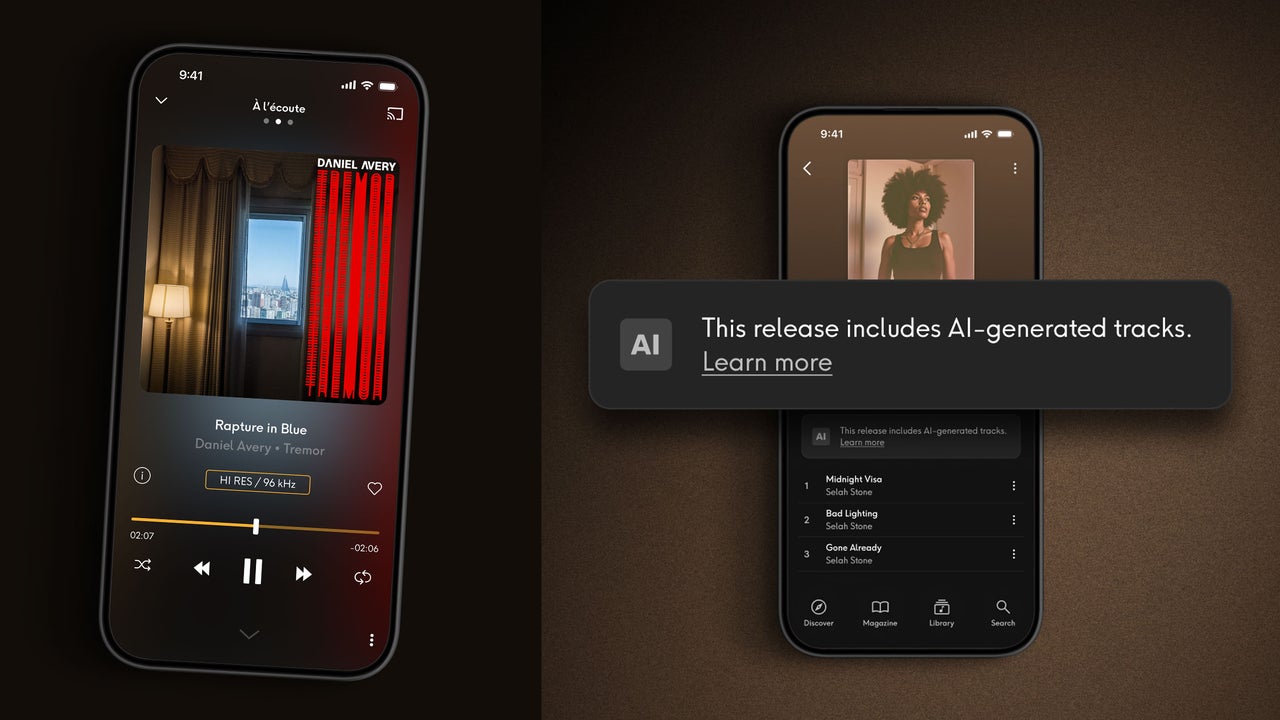
Qobuz maintains its focus on authentic creativity despite the AI content flood. Its high-quality audio, human curation, and original editorial distinguish it from competitors. When users open the app, they see handpicked "New Releases" and Human by Design, showcasing the company's dedication to genuine music. Qobuz has removed four million AI-generated tracks from its search tool and excluded about 60% of streams on AI tracks from royalty payouts. The company also labels AI-generated tracks to maintain quality.
The company values human curation, discussing their favorite music weekly and handpicking releases for their app. Their in-app magazine pairs articles with artist profiles, providing a comprehensive music experience. Qobuz employs 120 full-time employees, while Spotify has over 7,000. Despite the growth, Qobuz's CEO, Mackta, believes a mass exodus to Qobuz won't drastically impact Spotify's dominance in the market.
Qobuz's AI charter ensures AI is used responsibly in business operations, focusing on human-to-human communication in music. This approach has attracted artists like Yasiin Bey, who exclusively released his 2009 album The Ecstatic on Qobuz. Music journalist Emma Wilkes also chose Qobuz for its superior sound quality, especially for punk, metal, and hardcore genres.
Written by urgent.news from Fast Company's reporting — not their text. Machine-written — may contain errors; check the original before relying on it.
This story
This is one outlet's version. Read the fullest account.