AI companies say they want to give billions away. Will they actually do it?
Some of Silicon Valley’s biggest names are digging deep into their pockets. Elon Musk has promised to give every child in America a share in SpaceX next year. That would amount to roughly 72 million shares worth $10.5 billion at recent prices. It’s a generous offer, although each child would receive about $146, a tiny fraction of Musk’s fortune, which has recently topped $1 trillion. And Musk…
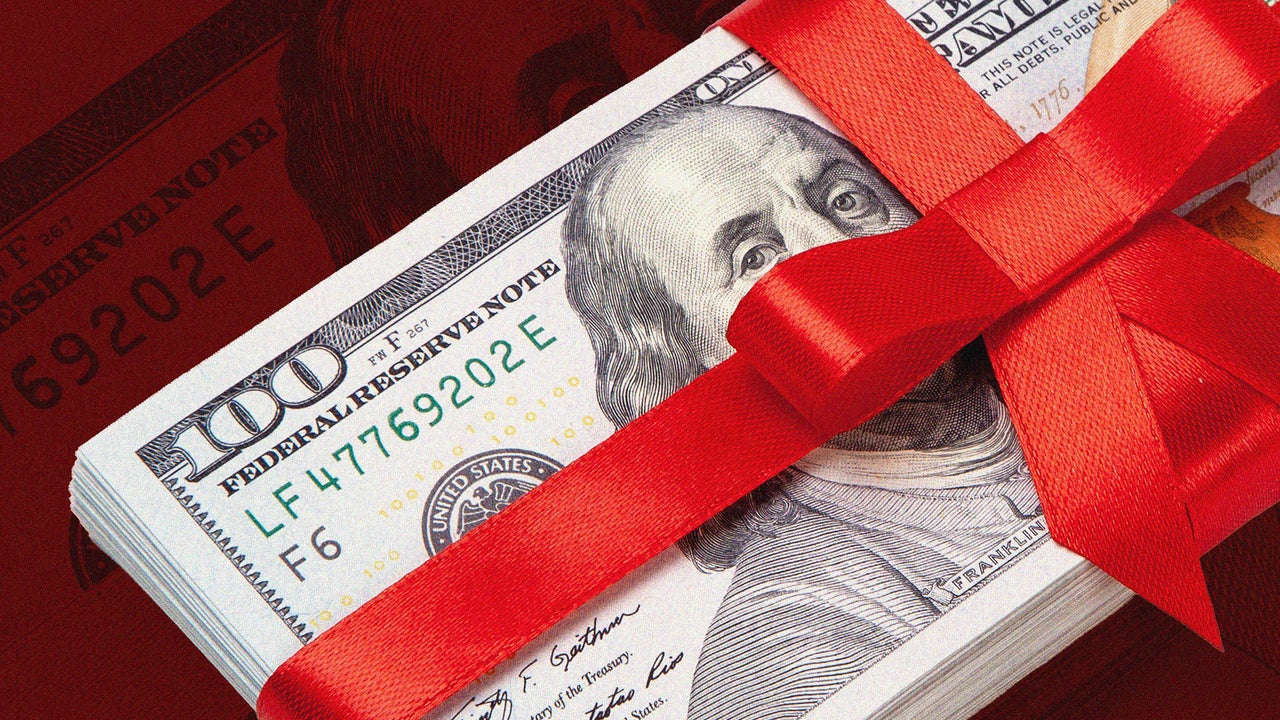
Prominent figures from Silicon Valley are unveiling substantial financial pledges to benefit society. Elon Musk, the visionary behind SpaceX, has pledged to gift every American child a share in his company, valuing this gift at approximately $10.5 billion. Other key players, such as Anthropic and OpenAI, have also committed significant sums to charitable causes.
Anthropic's strategy involves setting aside 5% of its shares for public benefit, while OpenAI's nonprofit foundation has committed $25 billion towards various initiatives, including disease cure and AI resilience. However, the effectiveness of these pledges in actually reaching the public remains uncertain. Brian Mittendorf, an accounting professor, emphasizes that turning charitable intentions into tangible donations requires a concrete financial commitment, rather than just a verbal promise.
Anthropic's plan requires shareholder approval and would transfer shares into a company-controlled LLC, capable of donating to charities or distributing money directly to affected individuals. OpenAI's foundation, which already owns a significant stake in the company, plans to disburse $25 billion by the end of the year. Despite these ambitious pledges, questions remain regarding the level of control these companies will cede, the speed of the money distribution, and the mechanisms for ensuring accountability.
Written by urgent.news from Fast Company's reporting — not their text. Machine-written — may contain errors; check the original before relying on it.