Ahli ekonomi persoal asas suntikan dana tambahan dalam usaha sama TH-FGV
Barjoyai Bardai berkata Tabung Haji dan FGV Holdings sepatutnya membuat penilaian bebas bukan bergantung pada penilaian Trurich Resources pada 2018 yang disifatkan terlalu optimistik.
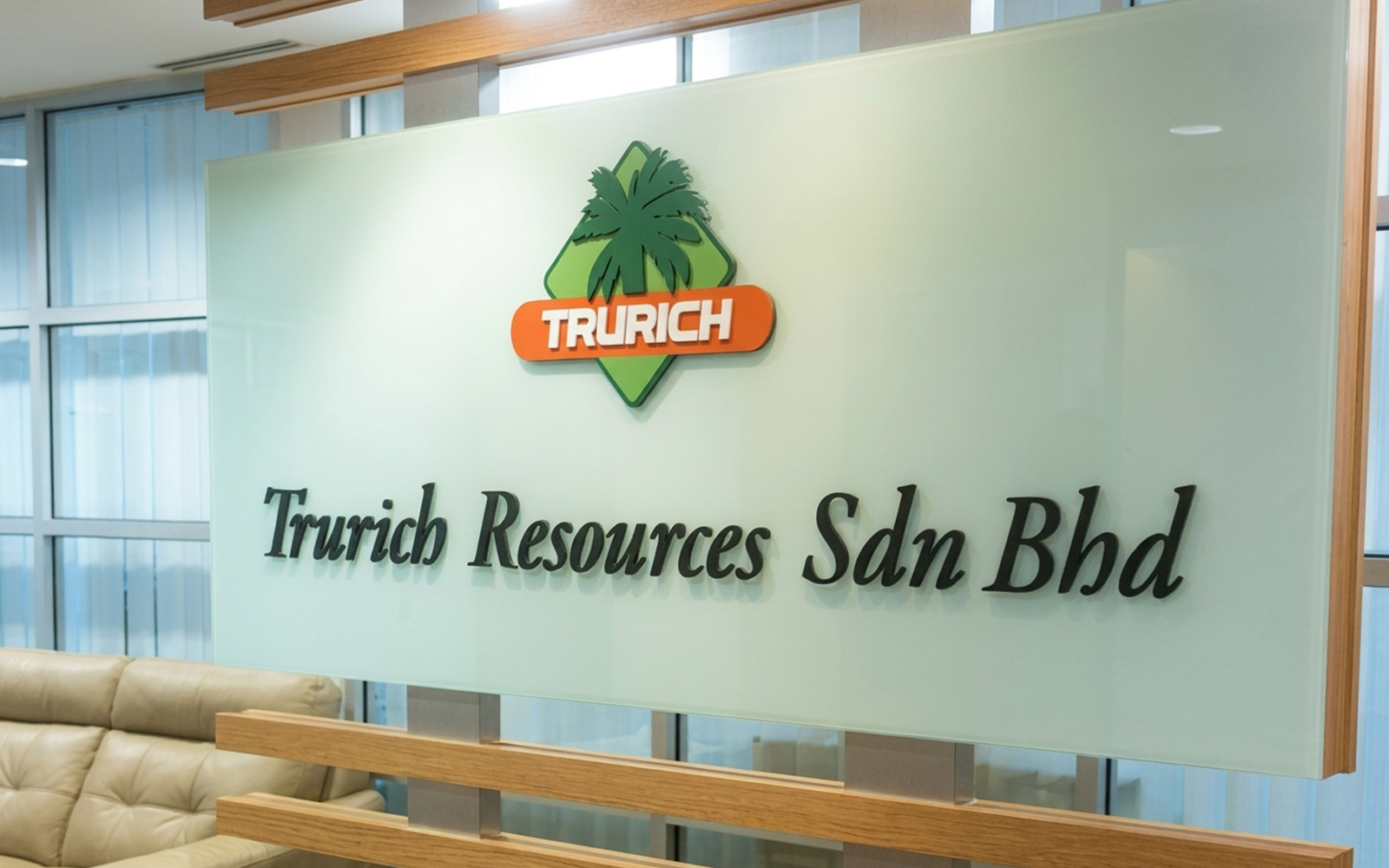
In 2019, FGV Holdings stated an RM1 billion valuation assessment for Trurich Resources, a 50:50 joint venture with Tabung Haji, which did not take into account the poor condition of its oilfields. Barjoyai Bardai, an economist, said that both government-linked entities should independently assess assets, operational performance, and prospects of Trurich Resources before adding more funds to the joint venture which ultimately failed.
He advised caution, as injecting additional capital into a business with weak performance can exacerbate losses if the root cause is not addressed. "The decision (to inject more funds) should not be made solely because a large sum of money has already been allocated," he told FMT. The recently published RCI report noted that the full valuation of RM364.31 million investment by Haji in Trurich was recorded after the joint venture became insolvent, rendering that investment worthless in records.
FGV reported a loss of around RM234 million from the 50:50 joint venture controlling a palm oil plantation in Kalimantan, Indonesia in 2019. They also disclosed that an additional RM120 million was injected into the joint venture as of October 30, 2019. However, Bardai acknowledged that the reported losses and additional funding may intersect, while valuation does not necessarily mean the exact amount of cash is lost.
In 2019, FGV admitted that its previous assessment of RM1 billion for Trurich was too aggressive and did not consider the poor condition of its oilfields. Bardai suggested that both partners should conduct independent assessments and not rely solely on optimistic ratings. He recommended that any additional funds should come with a clear recovery target, budget limits, and a mechanism to stop financing if the target is not met.
According to the RCI report, approval to dissolve the subsidiary Trurich was granted in December 2020, with FGV and Maybank leading the negotiations. However, Bardai said a dissolution approval alone does not guarantee a successful recovery as it depends on several factors including sale price, outstanding debts, transaction costs, and final net gain.
He added that the liquidation process also needs to be transparent, competitive, and aligned with the interests of both shareholders. "Success of recovery is not measured by how long a venture can be continued, but how much economic value can still be salvaged with reasonable additional risk," he said. Barjoyai said that tied-up capital in a struggling business can stifle opportunities for new investment, depending on the organization's cash position, access to financing, and overall financial performance.
"The issue is not just about how much money is lost, but how much economic opportunity may have to be forfeited due to a failing venture," he said. For Felda and Bumiputera entrepreneurs, he said repeated corporate losses can dull the prospects for business development, training, and productivity improvement. "Reducing expenditure can also impact suppliers of agricultural products, contractors, and transport entrepreneurs, while slower development can limit new job opportunities," he said.
He concluded that the performance of the institution should ultimately be measured by increased productivity, revenue, business opportunities, and jobs for the intended beneficiaries, not just the value of assets.
Written by urgent.news from Free Malaysia Today's reporting — not their text. Machine-written — may contain errors; check the original before relying on it.
Also reported by 1 other outlet
- Ahli ekonomi persoal asas suntikan dana tambahan dalam usaha sama TH-FGV freemalaysiatoday.com