AfD-Leak: Wie das Handelsblatt den Datensatz prüft – und was er preisgibt
Mehr als 400.000 E-Mails aus dem Innenleben der AfD kursieren im Netz. Das Handelsblatt hat das Material untersucht – auch mit Mails, die eigene Reporter einst an die Partei schickten.
On September 30th, 2016, Handelsblatt reporter Dietmar Neuerer responded to an offer from the AfD at 1:08 PM. The email subject read "Deutsche Bank – Request Alice Weidel." Neuerer wrote to Christian Lüth, the party's contact at the time, "However, an interview with Ms. Weidel would be interesting – in light of the AfD's situation and the 2017 election year."
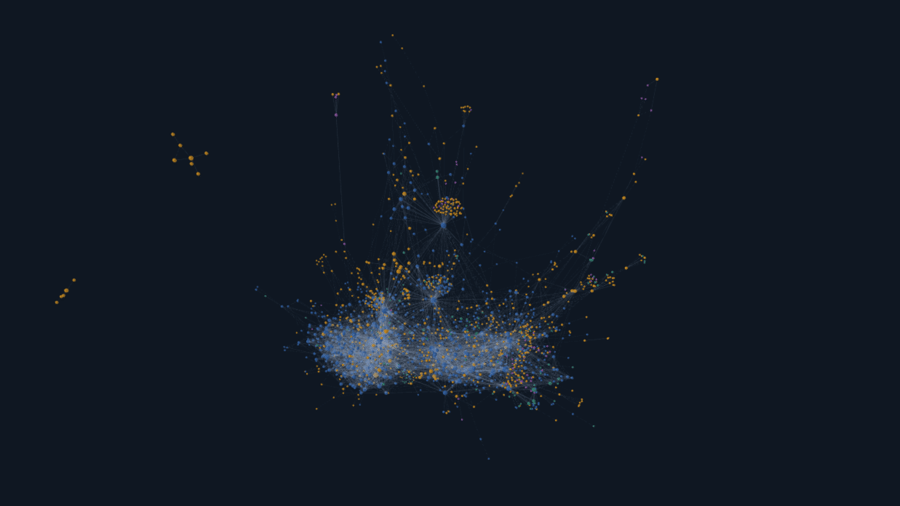
Ten years later, the email resurfaced in an archive containing over 421,000 internal AfD emails. Lüth forwarded the email to Weidel the same evening. The date, time, and wording match, providing a traceable trace of authenticity for the editors. The material is known as "Hexane," containing emails from nine accounts spanning 2013 to 2026, along with roughly 48,700 documents, 8,300 images, and excerpts of the party's websites and divisions.
An anonymous group distributed the package via a dedicated website and peer-to-peer sharing software, allowing computers to exchange files directly without a central server storing or distributing data. The hacker attack was confirmed by the AfD in September 2026, stating that parts of a few mailboxes were unlawfully copied. Most were outdated, with current Bund accounts not affected.
DKIM, or digital mail signatures, are present on about 30,000 emails, confirming they originated from the sender's mail server and were not altered during transmission. Over 16,000 emails have been double-checked by the Redaktion using keys that are still accessible. These emails are from AfD servers since 2021 and private providers like web.de, GMX, and Yahoo.
The majority of the 23 emails from Handelsblatt addresses, written by five senders, are from 2017 and concern appointment requests, accreditation, and interview requests. 22 of these emails have a signature from the Handelsblatt server. Responses from the AfD to Handelsblatt requests from 2015 and 2016 are also in the archive. Publicly documented donations since late 2016 have been verified by the Handelsblatt, including one over 100,000 euros traced through the email correspondence.
The AfD donated the money on December 29th, 2016, and the Bundestag administration acknowledged it on January 4th, 2017. The archive's contents only cover nine identifiable individuals, with varying coverage of years and missing postboxes for Bund secretarial affairs. The absence of evidence for other subsequently changed data cannot be ruled out.
The editors handle the contents cautiously, not relying solely on the archive but seeking additional evidence. More than 400,000 emails are difficult to evaluate manually, so artificial intelligence is employed in the analysis. Every Handelsblatt text derived from the dataset is based on the editors' original reading of the emails and documents.
Written by urgent.news from Handelsblatt's reporting — not their text. Machine-written — may contain errors; check the original before relying on it.