A place to belong: Spain’s homelessness campaign meets the Costas’ winter reality
Spain’s “Nadie Sin Hogar” campaign (no one without a home) is back with a clear message just as nights turn […]
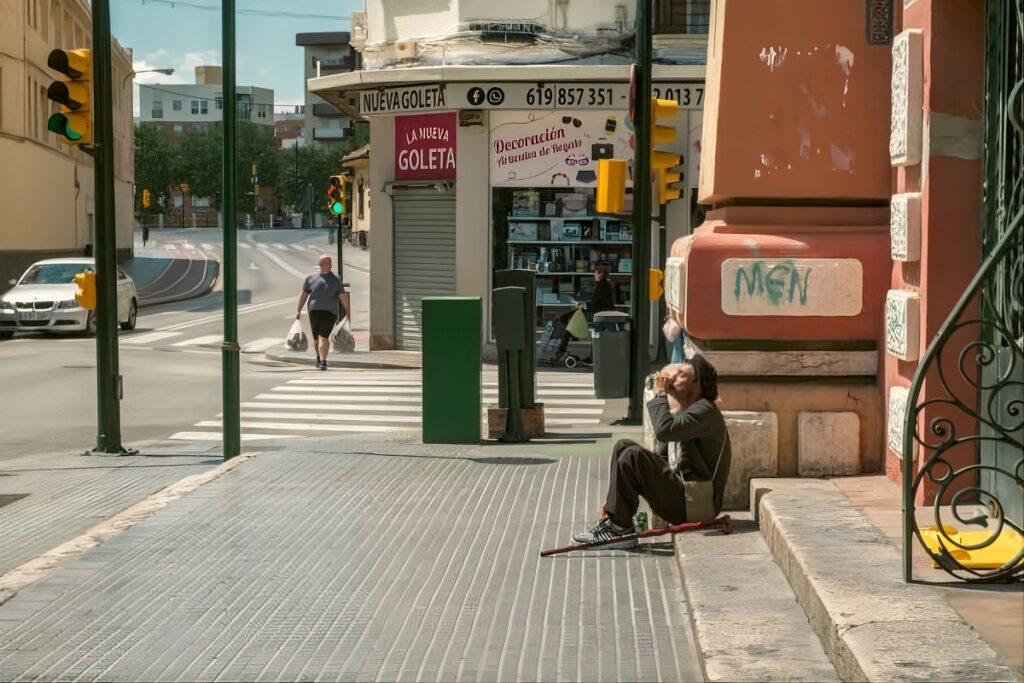
As colder nights descend upon the Costa del Sol, Costa Blanca and Valencia, Spain’s “Nadie Sin Hogar” campaign (no one without a home) is once again raising awareness. The campaign launched yesterday in Malaga’s Plaza de la Constitución and other cities, adopting the motto “Un hogar, un lugar al que pertenecer” (a home is a place to belong) for this year.
According to Cáritas, 44,475 individuals were assisted for homelessness in Spain during 2025, marking a 3.8 percent increase from the previous year. Job loss, high rents, evictions and migration pressures remain the primary reasons for becoming homeless. Local charities on the Costas report the same trend once the seasonal work period ends, and rents stay artificially high.
In Malaga city, a recent study by the University of Malaga of 647 people found 302 sleeping rough, an alarming 63 percent rise from the 185 recorded two years ago. A significant 18.1 percent of those studied have been without stable housing for over ten years, a trend known as chronification, where people become trapped in homelessness for a decade or longer.
Cáritas Malaga has supported over 900 people across the province and Melilla through street teams, night centers and semi-supported housing. One case from Benalmadena illustrates the urgency of the situation: Belén, who suffered spinal surgery and is now living in a small car, faces challenges in obtaining basic pain relief, securing disability benefits, and even contemplated suicide.
Local association El Vuelo de las Libélulas is raising funds for an adapted van and medical support, but Spain's strict euthanasia law disqualifies homelessness as a qualifying condition.
During cold spells, Spain activates “olas de frío” protocols, providing additional emergency shelters, temporary municipal spaces, and increased street outreach. However, capacity is still limited, leaving many individuals without adequate assistance. The cold weather exacerbates health risks for those with untreated pain, chronic illnesses, or mental-health issues.
Housing First programmes, which prioritize providing stable housing before offering support services, have been piloted in some parts of Andalucía, such as Malaga. These initiatives aim to reverse the previous model that required individuals to prove they were ready for housing. While local versions remain small and rely on limited funding, they offer a potential path to a place where people can actually return.
Additional steps include simplifying empadronamiento for those without a fixed address, expediting disability assessments, and enhancing collaboration between hospitals and social services to prevent patients from being discharged onto the streets. Local Cáritas offices, council social services, and groups like El Vuelo de las Libélulas in Benalmadena accept donations of warm clothing, food, or funds for specific needs.
Volunteers can also contribute by providing outreach or befriending services, addressing gaps that formal services alone cannot fill.
For the most current information on this year’s actions, check the campaign pages on Cáritas’s website or local association updates. The campaign argues that a home is not just a roof but a secure place to return to, someone who cares, and the opportunity to plan a future beyond the next night. However, on the Costas, as temperatures fall, the certainty of such a place remains elusive for many, especially those who have been waiting a decade for a stable home.
Written by urgent.news from Euro Weekly News's reporting — not their text. Machine-written — may contain errors; check the original before relying on it.