5 PoE devices I added to my network that made it way more useful
PoE, how I love thee. Let me count the ways
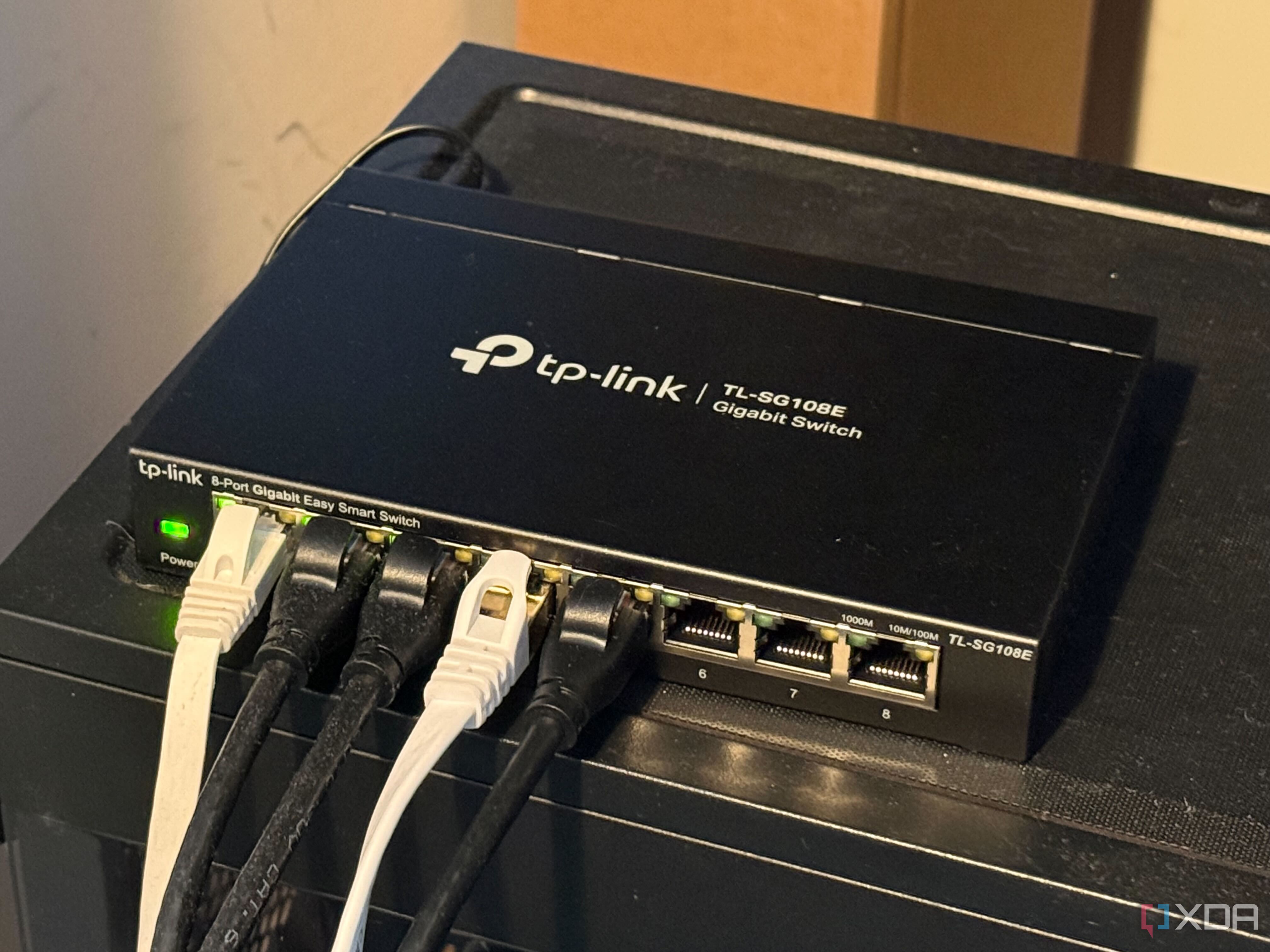
I recently added five Power-over-Ethernet (PoE) devices to my network, greatly improving its usefulness. The transition to PoE has made my home network more stable and easy to manage, mainly due to the simplification of having data signals and power over the same wire. Although I was glad I waited for PoE to become standardized, the range of devices usable with it has improved, allowing my network to connect to more useful things.
Initially, I was a wireless connectivity advocate, prioritizing convenience over utility. However, my security cameras, wired to solar panels, and my wireless video doorbell proved inadequate for reliable video feeds. By converting low-voltage wires to PoE, I now enjoy seamless video feeds without the hassle of wireless or battery concerns.
Using PoE to power my wireless access points allows me to utilize existing wiring in my walls, eliminating the need for additional cable management. My ceiling-mounted access point is currently sufficient, but I plan to install wall socket access points in existing holes, further reducing cable clutter. The only drawback is that my only PoE switch has 2.5GbE ports, while I require 10GbE for my Wi-Fi 7 access point.
Once I upgrade my switch, the remaining task is to strategically position my access points for optimal coverage.
The PoE function on my network switch enables various features like VLANs, port isolation, and link aggregation for failover. By centrally managing my switches, I've found them to be the best additions since introducing 5GHz networking. I continue to add more PoE-compatible devices, such as a touchscreen controller for my Home Assistant system, which eliminates the need for a constantly charging tablet and a power source.
Looking to the future, I plan to install more PoE-powered touchscreen controllers throughout my home, including one recessed into the wall. I also intend to add a five-port PoE hardware firewall for my home lab setup and explore the possibility of adding millimeter-wave presence sensors for enhanced automation. Additionally, I'm excited about the potential to install bias lighting around my kitchen cabinets and other emerging PoE-compatible devices.
Even though my EcoFlow battery isn't PoE-powered, it seamlessly integrates with my network equipment, further enhancing my smart home experience.
Written by urgent.news from XDA Developers's reporting — not their text. Machine-written — may contain errors; check the original before relying on it.