With Jackdaw approved, what’s next for the North Sea?
A lot has happened since 1 June 2022, the date when ministers first granted permission to tap the Jackdaw gas field. The Conservatives were halfway through their ill-fated final term of three. Kwasi Kwarteng was the business secretary, with equally ill-fated aspirations for higher office. And the Department for Energy Security and Net Zero – [...]
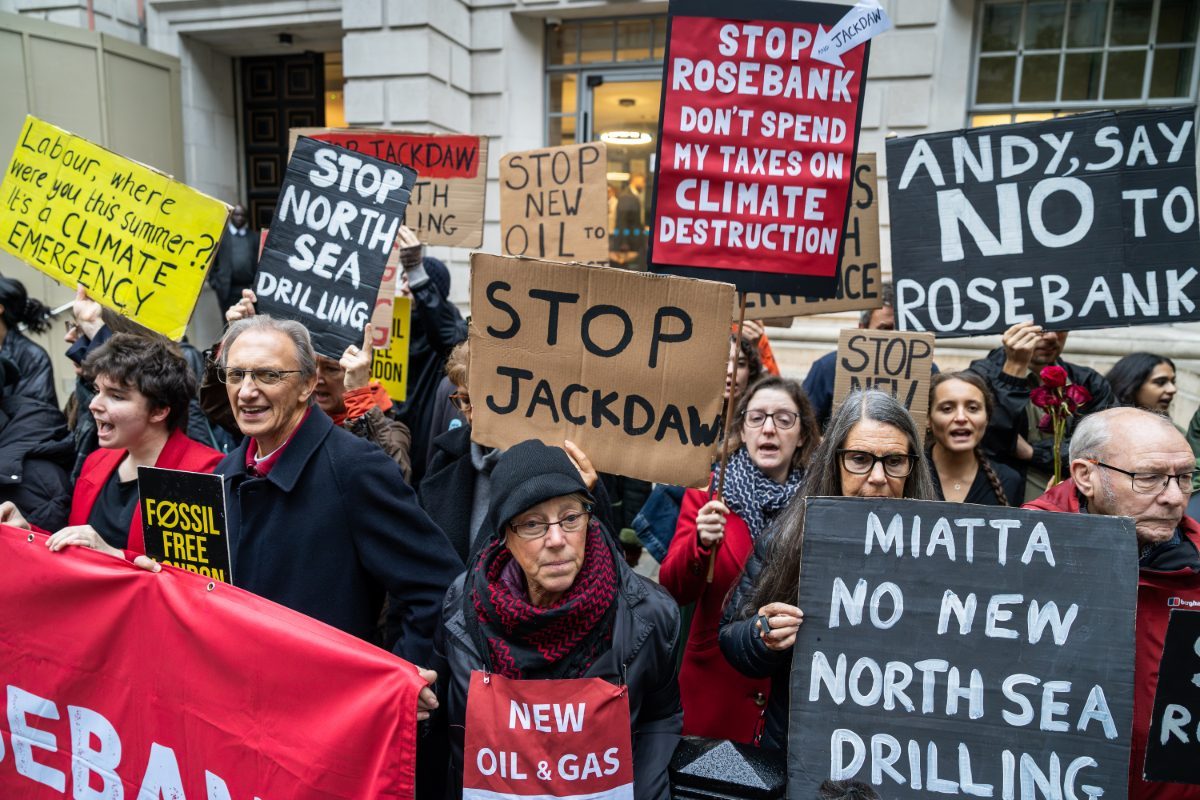
Since June 1st, 2022, when ministers first approved the Jackdaw gas field, much has transpired in the North Sea energy landscape. During the Conservatives' final term in office, Kwasi Kwarteng held the position of business secretary, while the Department for Energy Security and Net Zero, responsible for major energy policy decisions, had not yet been established.
Over the past four years, five energy secretaries and six Chancellors have taken office. Adura, a joint venture between Shell and Norway's Equinor, has taken ownership of both Jackdaw and Rosebank, the latter being an oil-based field located to the north of Jackdaw. However, despite the field's potential of 40 million barrels of oil equivalent, it has been stalled in regulatory limbo, leaving Adura without the ability to produce and hundreds of North Sea workers uncertain about their futures.
On Wednesday, Miatta Fahnbulleh, the latest energy secretary, approved the Jackdaw project, citing its impact on jobs, energy security, and the environment. The decision has been met with mixed reactions, with supporters praising it and climate campaigners criticizing the government for ignoring climate concerns. Donald Trump hailed the decision as "great news" and urged the UK to increase North Sea drilling, while climate activists accused the government of overlooking the environmental damage.
To understand why Jackdaw was approved, it is essential to consider the lengthy four-year process that led to this point. Shortly after Kwarteng's approval, environmental groups initiated a legal challenge against the projects, alleging that ministers had not adequately assessed the emissions resulting from the gas and oil extraction.
After a three-year court battle, the Scottish court overturned the original consent, forcing operators to resubmit their environmental assessments. These efforts culminated in Fahnbulleh's decision, which seemed more reasonable given her stated commitment to a more pragmatic approach to Britain's North Sea energy assets.
While Fahnbulleh's approval of Jackdaw might signal a shift toward a more pragmatic approach, her decision on Rosebank, another contested field, remains uncertain. Adura, the joint venture company owning Rosebank, anticipates a positive decision, but Fahnbulleh may reject it due to concerns about climate impact and the fact that oil is a "dirtier" fuel compared to gas.
Rejecting Rosebank would still acknowledge the economic case for the field, as it would create more high-skilled jobs and generate more tax revenue for the government. However, it remains unclear whether Fahnbulleh's commitment to a pragmatic approach will extend to Rosebank or if the government will consider ending the moratorium on new drilling projects.
Written by urgent.news from City AM's reporting — not their text. Machine-written — may contain errors; check the original before relying on it.