Will plants survive climate change? The 'Great Dying' reveals clues about their resilience.
Plants can't easily pick up and move when environmental conditions get rough, so they've evolved strategies to weather harsh conditions in place. That could help some plants survive in the face of a warming climate.
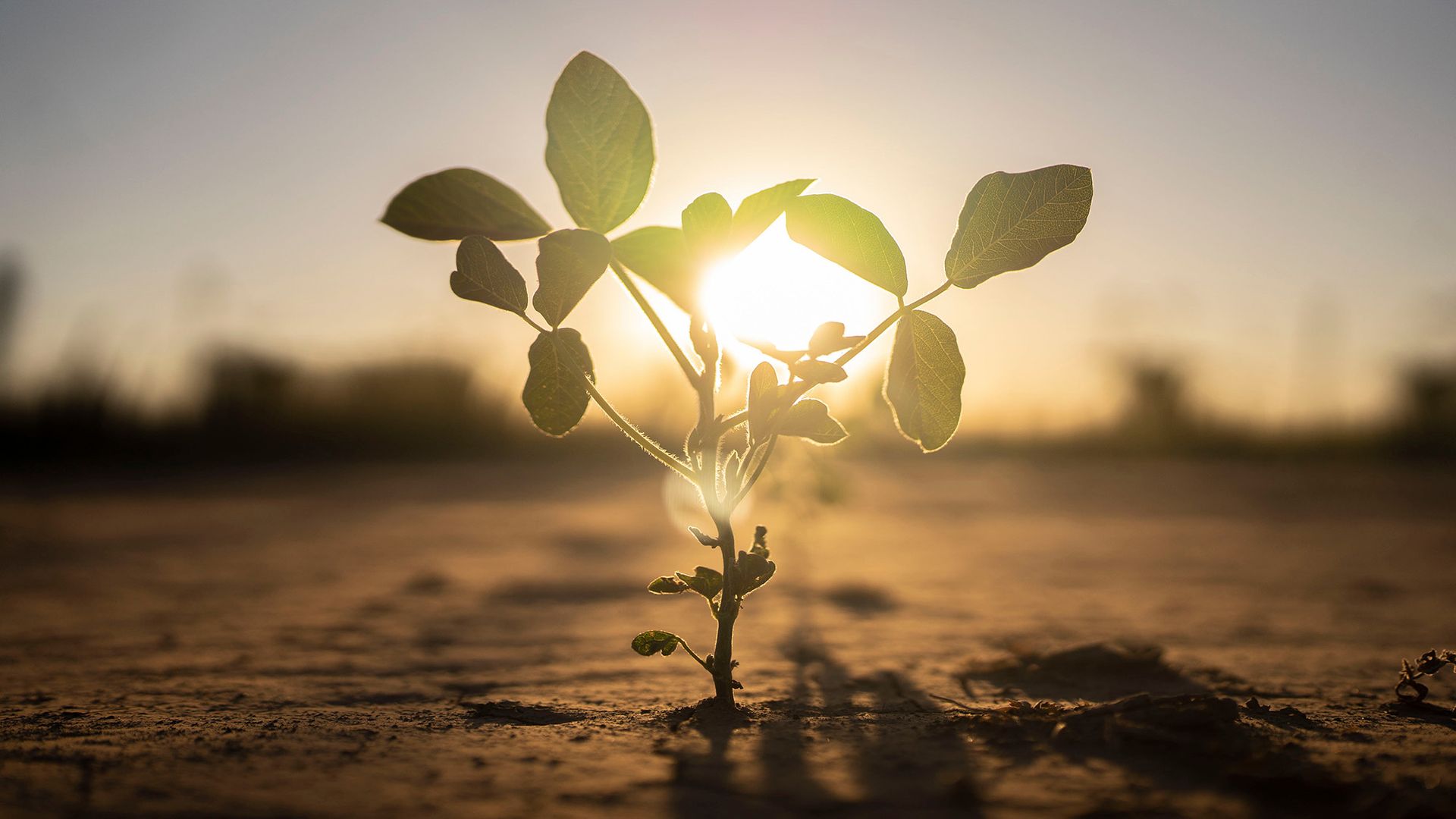
About 251 million years ago, volcanic eruptions unleashed colossal amounts of carbon dioxide into the atmosphere, triggering the most catastrophic extinction event in Earth's history, known as the Great Dying. The Siberian Traps in Russia emitted vast clouds of carbon dioxide, causing equatorial temperatures to soar and rendering much of the land uninhabitable.
The oceans became acidified, leading to the suffocation of most marine creatures. This event ultimately eradicated a staggering 90% of ocean life and 70% of terrestrial species.
During this grim period, an oasis of plant life existed in a corner of present-day China, ensuring the survival of animals that relied on it. This revelation suggests that plants may have been better equipped to withstand the Great Dying than other organisms.
Chris Thomas, an ecologist and evolutionary biologist at the University of York in the U.K., explained that plants, being immobile, have evolved mechanisms to survive in challenging conditions. Many plant species have developed resilience through adaptations that allow them to thrive in place despite difficult circumstances.
As global temperatures continue to rise and ecosystems experience upheaval, plants will need to tap into their resilience once again. Numerous plant species possess unique adaptations that enable them to weather harsh conditions. These adaptations, coupled with a significant amount of luck, will ultimately determine whether a plant survives or becomes extinct.
Plants exhibit remarkable developmental plasticity, meaning they can adjust their growth and development in response to environmental changes. Unlike most animals, which have limited regenerative capabilities, plants can regenerate lost limbs and develop new ones that adapt to the current environment. This flexibility is attributed to their indeterminate growth and modular body plans, which allow them to modify their cellular growth and development throughout their lives.
For instance, resprouting holm oak trees have shown increased drought resistance compared to trees that did not resprout. Additionally, the ability of plants to put buds into dormancy enables them to resprout after catastrophic events such as fires. In regions like the Cape Floristic Region in South Africa, plants have evolved to resprout after fires and have seeds that require fire for germination.
Plants also employ various strategies to protect their seeds during challenging times. Many species store seeds underground, where they can remain dormant in the soil until environmental conditions improve. This seed banking mechanism allows plants to preserve a reservoir of genetic material, ensuring that some individuals can reawaken and reproduce when conditions become favorable again.
Written by urgent.news from Live Science's reporting — not their text. Machine-written — may contain errors; check the original before relying on it.