Why PPF Turns Yellow And How Anti-Yellowing Technology Prevents It
Paint protection film (PPF) is designed to protect a car’s original paint from stone chips, minor scratches, road debris and everyday wear. However, one concern that often comes up among car owners is yellowing. A film that was once clear and nearly invisible can gradually develop a yellowish tint, affecting the appearance of the vehicle it was meant to protect. Yellowing is not inevitable, nor…
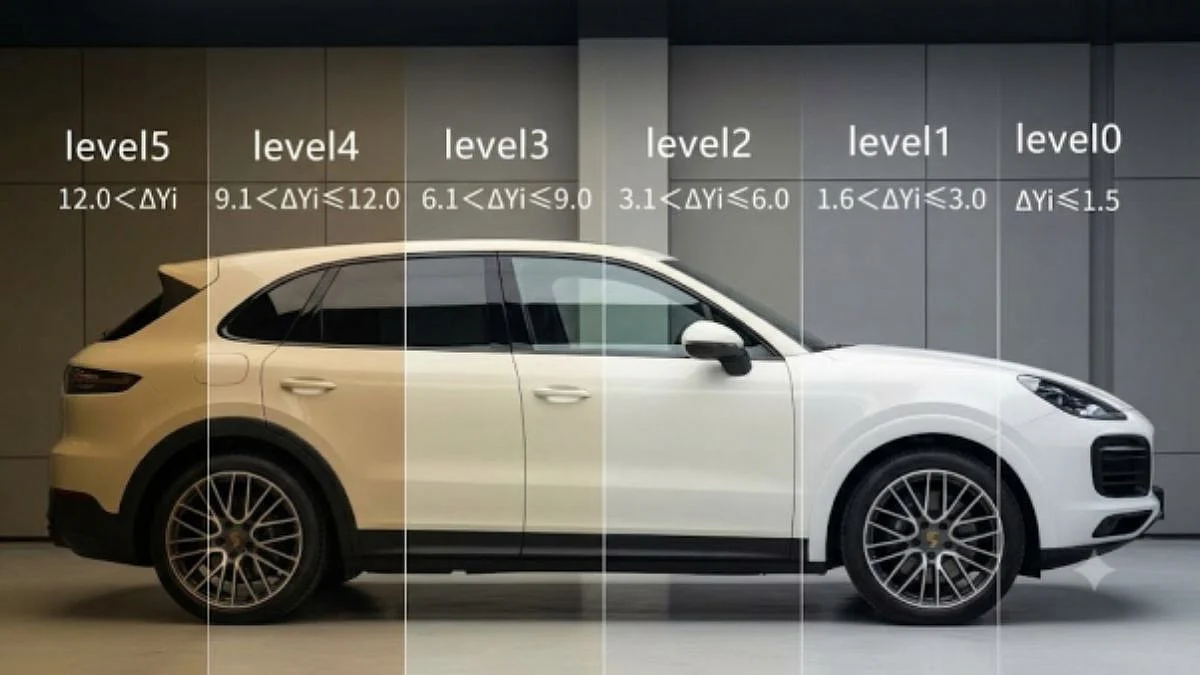
Paint protection film (PPF) shields a vehicle's paintwork from minor damage, yet it can develop a yellowish hue over time. This yellowing is not inevitable and varies among products, depending on factors like material composition, environmental exposure and maintenance. To help car owners make informed choices, it is essential to understand the causes of yellowing and how anti-yellowing technology mitigates it.
Sunlight and UV radiation are primary culprits for yellowing in lower-quality films. UV rays trigger chemical alterations in polymers and additives, which may compromise colour, clarity and appearance. Intense sunlight, common in certain regions, can exacerbate yellowing. However, the extent of this issue depends on the film’s formulation and UV resistance.
Heat and environmental conditions also impact PPF. High temperatures can hasten chemical reactions, contributing to discolouration, especially in hot climates like India. Humidity, rainfall and pollutants can further stress the material, demanding superior film performance.
Material quality and formulation play a crucial role. Variations in polymer quality, stabilisers, additives and manufacturing processes affect a film’s clarity retention over time. A film may seem clear at first but may show discolouration as it ages, making initial appearance an incomplete indicator of long-term performance.
Contamination and improper maintenance can mimic yellowing. Road grime, tar and other contaminants may accumulate on the surface, altering its look. Regular cleaning with compatible products can mitigate such build-up, but true internal discolouration requires different solutions.
Anti-yellowing technology aims to slow discolouration processes. It begins with selecting appropriate raw materials and formulations designed to withstand sunlight, heat and environmental stress. UV stabilisers and protective additives mitigate UV radiation effects, while polymer choice influences discolouration resistance. A well-engineered film with anti-yellowing properties should maintain its transparent appearance longer.
The film’s topcoat also contributes to its performance. Its formulation can resist surface contamination, maintain gloss and improve durability. However, resistance to yellowing relies on the entire film construction, not just a single coating or additive. Rigorous testing, including UV exposure, accelerated weathering and temperature variations, helps manufacturers evaluate film responses to clarity-affecting conditions.
When selecting PPF, car owners should look beyond initial transparency and focus on the product’s long-term appearance retention. Check the manufacturer’s information on UV resistance, anti-yellowing performance and warranty coverage. Proper installation by experienced professionals ensures the film adheres to manufacturer guidelines, preventing issues like contamination and edge problems.
Opting for an established brand like Aegis PPF, which develops products with performance in mind, combines impact protection, optical clarity, durability and reliable support. Ultimately, prevention through a well-formulated, anti-yellowing film with professional installation and maintenance is the best approach to preserving a vehicle's appearance.
Written by urgent.news from Free Press Journal's reporting — not their text. Machine-written — may contain errors; check the original before relying on it.