What is happening in France? Unpacking the recent waves of protests
Laura D. Keesman, an assistant professor of sociology based in Amsterdam, analysed recent French mobilisations and the government's police response. After weekend of unrest and riots, the government acknowledged that the security response had fallen short and promised a stronger approach ahead of a new wave of protests.
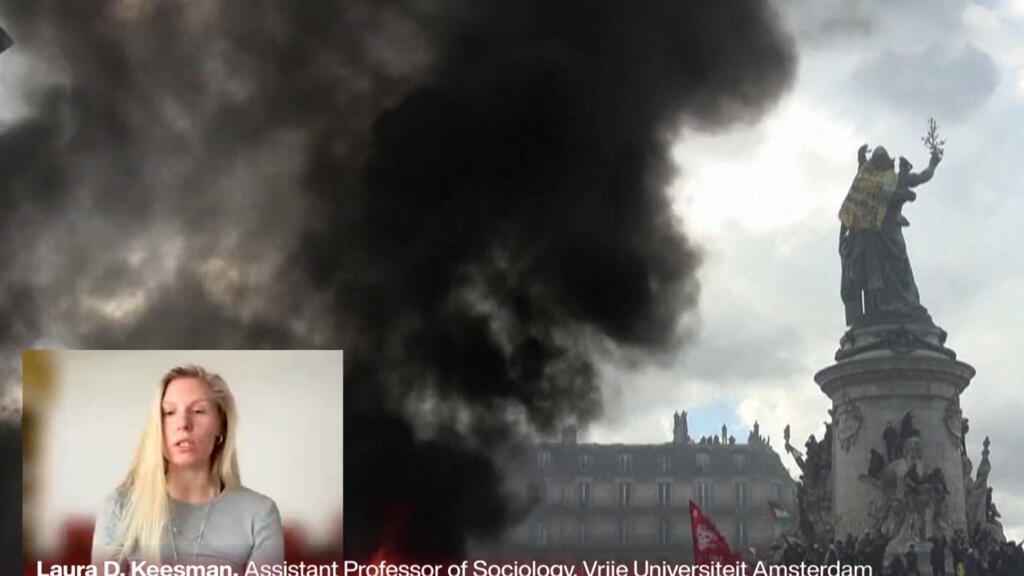
France has increased police presence in cities across the country to address ongoing protests following the lifting of a ban on demonstrations. President Emmanuel Macron, returning from a Gulf tour, convened an intelligence meeting at the Elysee Palace to discuss handling the recent violence and looting. Police officers on the streets will rise by 20 percent from last weekend, according to Jean-Didier Berger, minister delegate to the Minister of the Interior.
Protests are scheduled for Paris on Saturday. The retail sector braces for more unrest as luxury boutiques in Paris, including Louis Vuitton and Christian Dior, have fortified their windows with metal grates in anticipation of another round of rioting. Hermes and Guerlain stores among others have remained closed since the weekend's violent clashes.
Confusion over the police response and protesters' threats of continued demonstrations have left residents, authorities, and shop owners anxious. The unrest has impacted retailers' confidence, Carrefour reporting a potential €200 million loss. Celebrities and executives have called for the army's mobilization to quell the violence.
Retailers warn that extended disruption could disrupt the Christmas shopping season, a critical period for the luxury goods industry, particularly with China's demand already weak. The Art Basel Paris fair and the NFL game at Stade de France, however, are still scheduled to take place.
Written by urgent.news from The National UAE's reporting — not their text. Machine-written — may contain errors; check the original before relying on it.
This story
This is one outlet's version. Read the fullest account.