WGES 2026: Dubai’s green economy summit puts waste, water and AI on the agenda
Thousands of delegates gathered at Dubai's World Trade Centre on Wednesday for the opening day of the World Green Economy Summit (WGES), with speakers pressing the case that the transition to a green economy requires change not just from governments and industries but from every individual consumer. The summit brought together figures from waste management, artificial intelligence and…
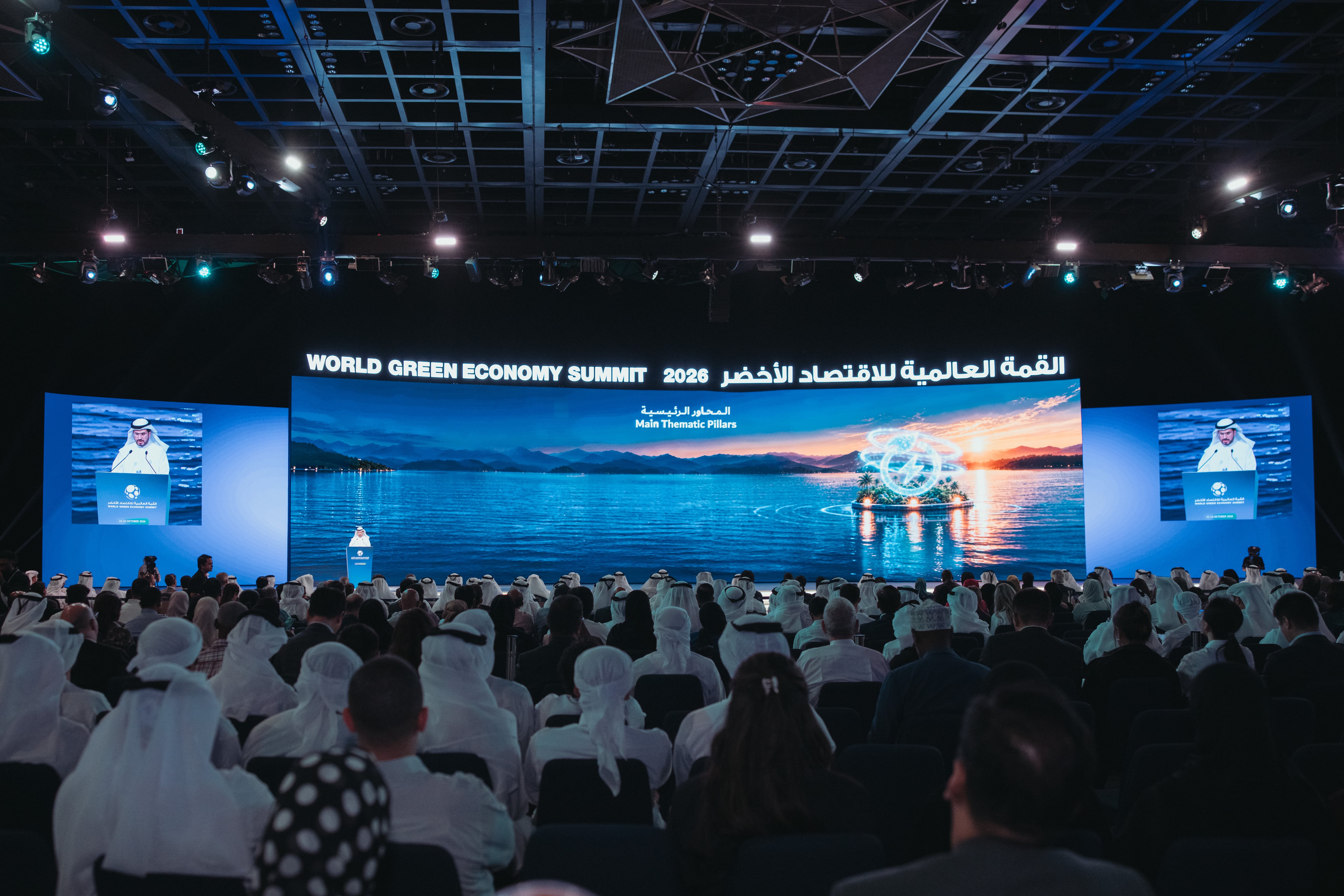
The World Green Economy Summit (WGES) kicked off at Dubai’s World Trade Centre on Wednesday, attracting thousands of delegates. Speakers emphasized the need for individuals, governments, and industries to contribute to the transition to a green economy. Discussions covered waste management, artificial intelligence, and environmental finance, among other sectors.
Timothy Clarke, CEO of Dubai’s Warsan Waste Management Centre, highlighted the importance of rethinking how we view waste. He urges people to view waste as a valuable resource rather than an item to be discarded. WWMC processes 6,000 tonnes of unsorted waste daily, burning it to generate electricity, but Clarke sees this as a last resort, not the ultimate goal. He stresses the need for policies that make recycled materials competitive with virgin materials, making recycling a more attractive choice for consumers.
Anssi Mikola, co-founder of River Recycle, focused on the issue of river pollution as a gateway to ocean plastic. He explained that inadequate waste infrastructure in developing nations leads to rivers being used as disposal sites, which then transport waste to other municipalities. River Recycle operates on 20 rivers and aims to expand to 30, a significant step towards larger, city-scale solutions.
Darren Kimura, CEO of AISquared, introduced the Dubai AI Challenge, encouraging the UAE's technology community to measure AI's environmental impact rather than just its technological capabilities. Kimura suggested that AI's footprint depends on its design and deployment, proposing liquid cooling systems and AI-driven resource management to reduce water and energy consumption. His company is developing AI models that can run locally, ensuring data privacy and reducing computational demands.
Written by urgent.news from The National UAE's reporting — not their text. Machine-written — may contain errors; check the original before relying on it.
Also reported by 1 other outlet
- WGES 2026: Dubai’s green economy summit puts waste, water and AI on the agenda thenationalnews.com