Van Gogh's 'The Starry Night' depicts the sky on July 22, 1889, researchers find
Researchers think they might have pinpointed the exact night sky that we see depicted in Vincent van Gogh's iconic painting "The Starry Night."
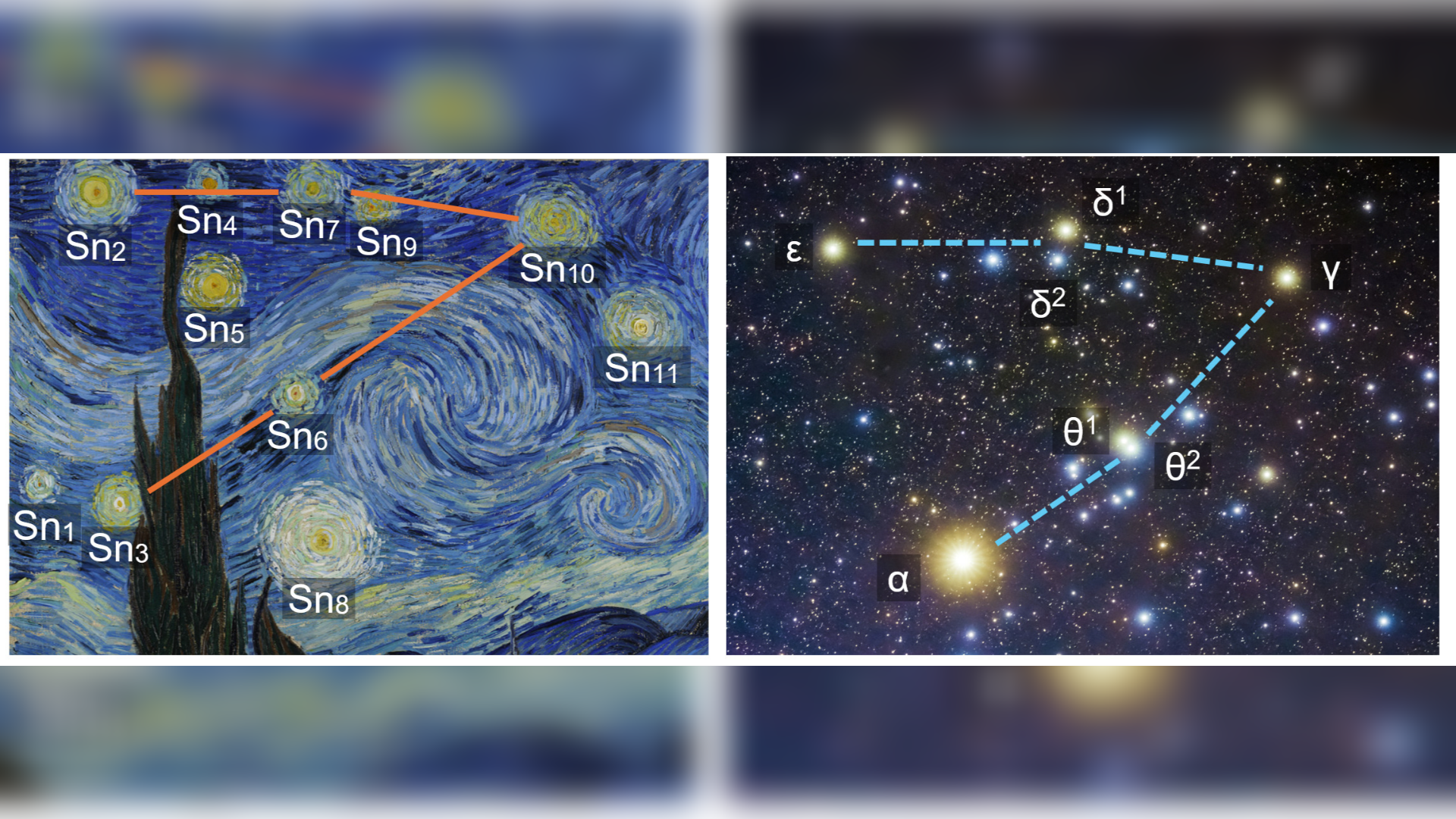
A recent study claims to have identified the real sky that Vincent van Gogh portrayed in his famous painting "The Starry Night." The iconic artwork, known for its swirling colors and bright stars, is often thought to be purely imaginative, but researchers believe it may represent an actual night sky visible from Saint-Rémy-de-Provence on July 22, 1889.
Researchers used astronomical and historical data to pinpoint the sky depicted in the painting. They analyzed the sky above Saint-Rémy, compared it to the celestial coordinates of the stars in the painting, and examined historical records of Van Gogh's activities during that period. The team found that the Hyades cluster, Venus, and a waning crescent moon align with the painting's depiction, suggesting the sky was painted on July 22, 1889.
While this discovery could potentially shift the date of the painting, the researchers acknowledge that further investigation is needed to confirm this timeline. The findings highlight the intersection of art and science, demonstrating how astronomical observations can shed light on historical artworks.
Written by urgent.news from Space.com's reporting — not their text. Machine-written — may contain errors; check the original before relying on it.