Uhren werden zurückgestellt: Nach der Zeitumstellung steigt Gefahr für Wildunfälle an
Werden die Uhren zurückgestellt, fällt der Berufsverkehr plötzlich in die Dämmerung. Rehe, Wildschweine und Hirsche sind dann besonders aktiv. Wann wird es auf der Straße kritisch?
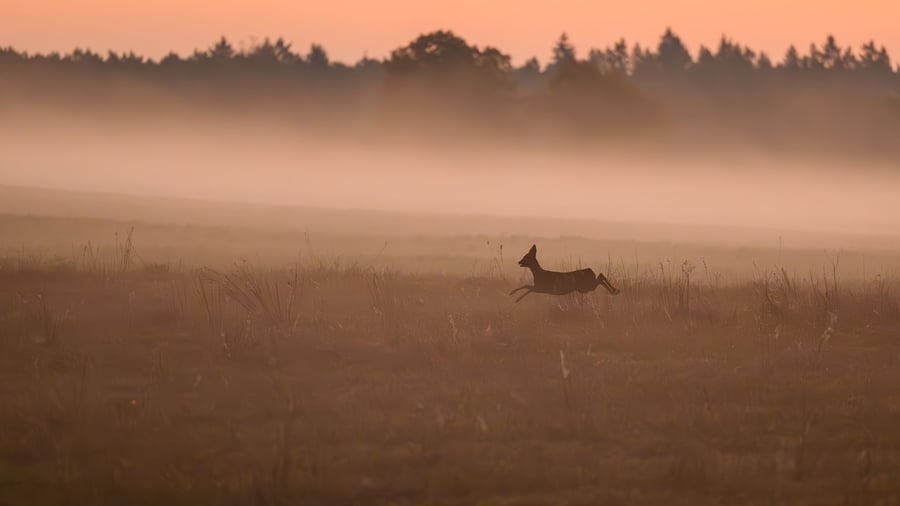
In the night from Saturday to Sunday (October 24-25, 2026), clocks will be moved back to winter time. While some may not find this problematic, others may experience fatigue or difficulty concentrating. This can also impact road safety. Greater caution is advised - for oneself and others. However, this is not the only issue. Just as the autumn season already increases the risk of accidents involving wildlife, the weeks following the time change may exacerbate this risk.
During the transition, many people drive in the dark, which can lead to collisions with animals that are active during dawn.
Studies from the nationwide animal sighting database of the German Hunting Association (DJV) show that the risk of hitting wildlife increases significantly between 6:00 AM and 9:00 AM. This is when dusk occurs, coinciding with the busiest times of day for professional traffic. Torsten Reinwald from the DJV explains that wild animals do not understand time changes or traffic rules, they follow their instincts. Therefore, it is up to drivers to act responsibly and ensure safety for both humans and animals.
Animals are stocking up for winter, and in their search for food, they often cross roads. The intensity of this activity is heightened by the need to reach feeding spots. Additionally, the mating season of wild boar and roe deer, which is active between October and December, further increases the risk. While warning signs like "Caution Wild Animals" indicate hazardous areas, they are not present everywhere.
The DJV advises driving at a reduced speed in these areas, giving oneself ample reaction time. For example, reducing speed from 100 to 80 km/h can shorten braking distance by about 25 meters. A collision can be particularly dangerous if a large mammal is involved - a collision with a wild boar at 60 km/h is comparable to a half-tonne elephant hitting the car's bonnet.
An animal will rarely be alone - it may try to escape. Dimming headlights can blend them, making them hard to see, while honking can help orientate them and encourage them to flee. However, even if an animal is startled, it may not be alone, so vigilance is needed for any potential follow-up.
In case of a collision, the area must be secured with warning lights, a reflective vest, or a warning triangle. If people are injured, emergency services should be called (112). Dead animals should not be touched, and living ones should be kept at a distance - a wounded animal can cause additional harm to people. The animal should not be removed from the accident site, as this could lead to charges of wildlife poaching.
The incident must be reported to the police (110) immediately, especially if the animal flees after the impact. The police will inform the relevant game warden, who can track and shoot the wounded animal using specially trained dogs. For insurance purposes, a notification of a wildlife accident can be obtained from the police or game warden.
Helpful steps after an accident include taking photos of the accident site, the animal, and the damaged vehicle. Reporting the wildlife accident to the insurance company is crucial, especially before repairing, scrapping, or selling the vehicle. The German Association of the Insurance Industry recommends contacting the insurance company promptly, even before any repairs are made.
Written by urgent.news from Handelsblatt's reporting — not their text. Machine-written — may contain errors; check the original before relying on it.