Tshwane coalition fractures over Bronkhorstspruit water crisis
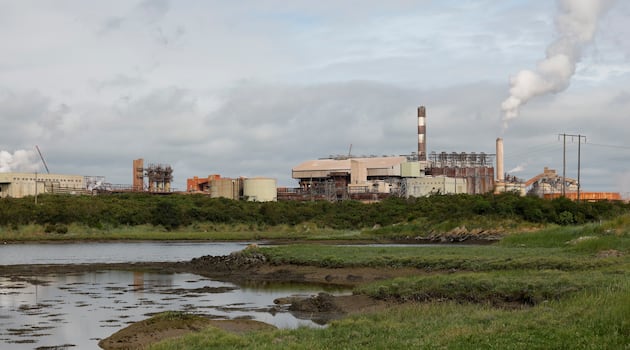
The Bronkhorstspruit water crisis has intensified tensions in Tshwane’s coalition government, with the EFF and DA demanding accountability from Mayor Nasiphi Moya. At least 408 people, mostly children under four, reportedly fell ill after the water-treatment works supplied unchlorinated water for nearly three weeks.
The Bronkhorstspruit water crisis is causing significant tension within Tshwane's coalition government, occurring just weeks before the November elections. Over 400 individuals, predominantly young children, contracted illnesses after consuming unchlorinated water from the Bronkhorstspruit Water Treatment Works between September 24th and October 14th.
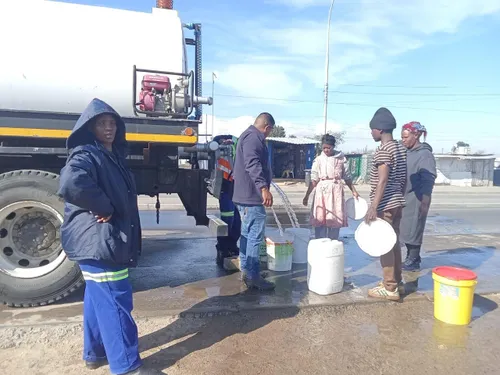
This tainted water was supplied despite the Department of Water and Sanitation discovering high E. coli levels and the city's failure to warn residents. The city then relied on Rand Water, but the timeline for safe tap water remains uncertain, leaving residents with only the option to use it for flushing toilets, while tanker deliveries provide drinking water.
Professor Onkgopotse Madumo, a University of Pretoria academic, pointed out the inherent instability of such coalition governments, stating that they are built on temporary common interests rather than permanent ideological alignment. He suggested that the EFF's aggressive stance might be a performative attempt to gain political relevance ahead of the elections.
Madumo further criticized the EFF’s Member of the Mayoral Committee (MMC) positions for their lack of proactive engagement, noting that they could have either withdrawn from the coalition or called for a motion of no confidence against the mayor.
Blurring accountability, Madumo argued that coalitions make it challenging for political and administrative responsibility to be shared, as parties within the coalition rarely assume collective accountability. He further highlighted the negligence in the procurement process, suggesting that if the mayor and the executive mayor were informed of the crisis and failed to act, they should be held accountable for the city's negligence.
Madumo clarified the executive mayor's responsibility, emphasizing that they are accountable for overseeing service provision in the community and that their unawareness of the crisis could be considered negligent. The impact on the electoral landscape remains unclear, with Madumo predicting that it might have a more significant effect on ActionSA rather than the ANC.
He cautioned against a large voter revolt, attributing the crisis's hit to the coalition's credibility rather than voter patterns in the affected communities.
The EFF and DA have filed criminal cases and made complaints to the South African Human Rights Commission (SAHRC). The EFF demands Moya's resignation, alleging that she misled the public by blaming infrastructure aging issues and a chlorine supply problem that occurred only "last weekend," while the Department of Water and Sanitation found the water unchlorinated for three weeks.
The party also accused Moya of failing to disclose the truth and called for a national disaster declaration and an investigation into allegations of "water tanker mafias."
Moya acknowledged political responsibility but refused to step down, stating that she will take responsibility in court. The DA criticized her admission of negligence, stating that it is sufficient grounds for her to vacate her position; an apology alone is insufficient. They accused the ActionSA-ANC coalition of ignoring warnings about the Bronkhorstspruit Water Treatment Plant's collapse and continued neglect of infrastructure maintenance, pouring money instead into the water tanker mafia.
ActionSA accused the EFF of hypocrisy over its Environment and Health portfolios, noting that the EFF has governed Tshwane alongside the ActionSA coalition in the past. This points to deeper divisions ahead of the elections. The criminal investigations are ongoing, and the crisis continues to strain the coalition's stability.
Written by urgent.news from IOL's reporting — not their text. Machine-written — may contain errors; check the original before relying on it.