Trump and an oil shock aren’t enough for Texan drillers
“‘Drill, baby, drill’ is basically drill as much as you can to commit economic suicide,” one of the Permian Basin’s top CEOs said.

Midland, Texas is experiencing a mixed vibe for Diamondback Energy, a company that has grown from a small driller to a major player in US oil production over the past 15 years. Diamondback's profits per share more than doubled in the second quarter due to a surge in oil prices caused by the Iran conflict, but the company's CEO Kaes Van't Hof is not thrilled about high prices.
He stated that while they are great for a month or two, they get him called to Congress as a price gouger. This high price environment could be problematic for President Donald Trump's re-election bid as the Permian Basin, the largest and richest oilfield in the US, is where his success or failure will be determined. Diamondback and other drillers are not eager to increase production in response to Trump's calls, despite the high prices.
This cautious approach is due to lessons learned from previous booms and busts. Despite advancements in production costs and consolidation within the industry, many executives are reluctant to take on large risks just because the president wants them to. They are wary of a potential crash in oil prices, whether it's due to Trump's daily "jawboning" keeping traders bearish, a security breakthrough in Iran, or a shift towards clean energy reducing demand.
The perception in Washington is that Trump's "energy dominance" strategy relies on companies to drill more, but they are set up for failure if they do too much. Van't Hof criticized the "drill, baby, drill" mentality, saying it's like committing economic suicide. Despite the significant technological advancements in drilling, there is no gold rush in the Permian due to the high oil prices.
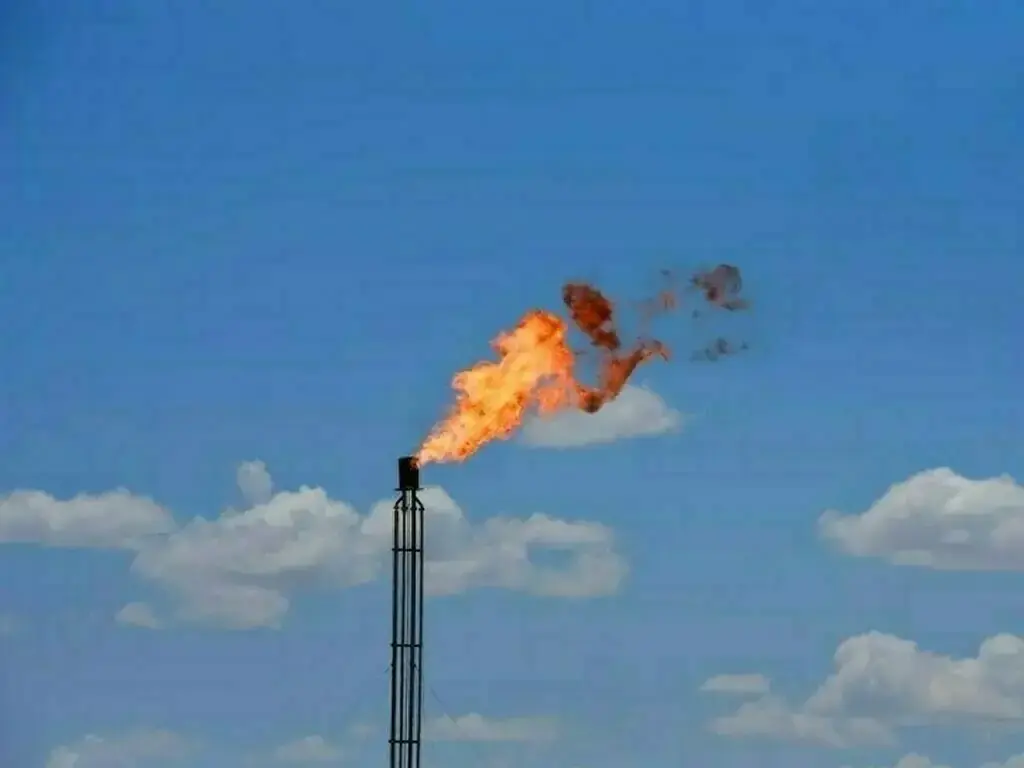
Diamondback's newest frack site showcases the noise of gas generators and pumping machines powering new wells. However, the company has focused on cost efficiency, drilling deeper and longer wells to spread fixed costs over more barrels. This strategy is aimed at staying competitive and financially sustainable after the boom inevitably ends.
Written by urgent.news from Semafor's reporting — not their text. Machine-written — may contain errors; check the original before relying on it.