This design software reimagines everyday objects as self-aware devices
“X-Hinges” helps design and 3D print items like lamps and gloves with an interactive twist: automatically embedded sensors that perceive and adaptively respond to human contact.
Scientists at MIT's Computer Science and Artificial Intelligence Laboratory have developed a groundbreaking design software called X-Hinges that can transform everyday objects into self-aware devices. By embedding conductive materials and traces within 3D-printed items, X-Hinges enables these objects to perceive and respond to human motion in real-time, completing tasks more efficiently.
Unlike previous methods that only allowed for one axis of motion, X-Hinges provides up to three axes – compressing, up and down, or to the sides – allowing for more versatile object movements. The software ensures precise embedding of sensors and wire-like elements, eliminating signal interference that previously confused devices with similar signals.
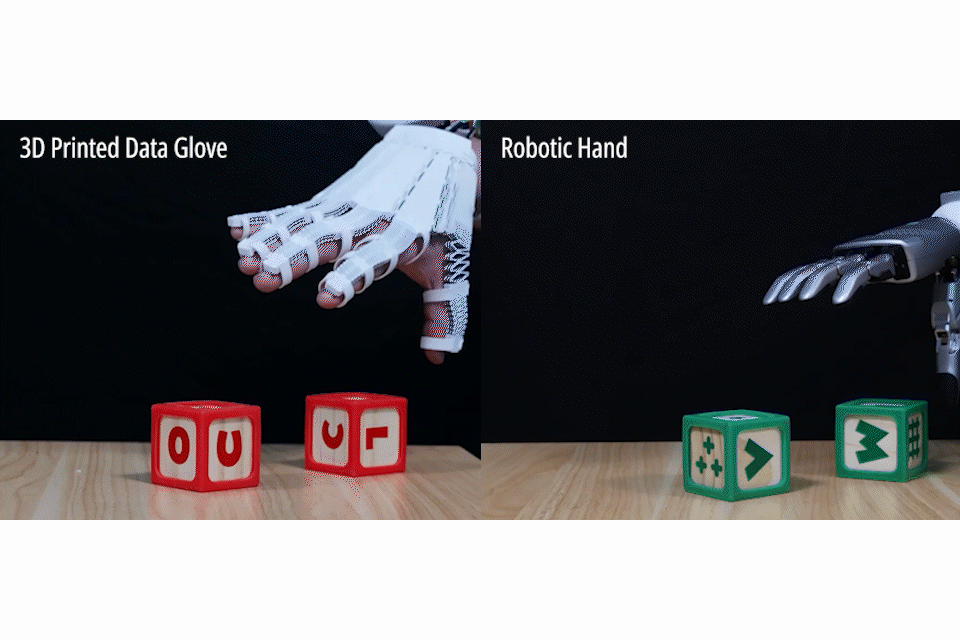
This innovation could lead to the creation of smarter household items, adaptive robotic hands, object-detection systems, and interactive toys. For instance, a glove designed using X-Hinges can teach a robot how to grasp objects based on the user's hand movements, while an origami-style lamp adjusts its brightness based on how it's pinched.
With X-Hinges, users can easily design interactive objects by selecting shapes, connecting parts, and choosing how they move, all through a simple interface. The software's ability to record motion data in multiple axes sets it apart from previous attempts, making everyday objects more responsive and adaptable to human interactions.
Written by urgent.news from MIT News AI's reporting — not their text. Machine-written — may contain errors; check the original before relying on it.