The One Resource the American West Will Never Stop Fighting Over
Water has always defined how life could be lived in the region.
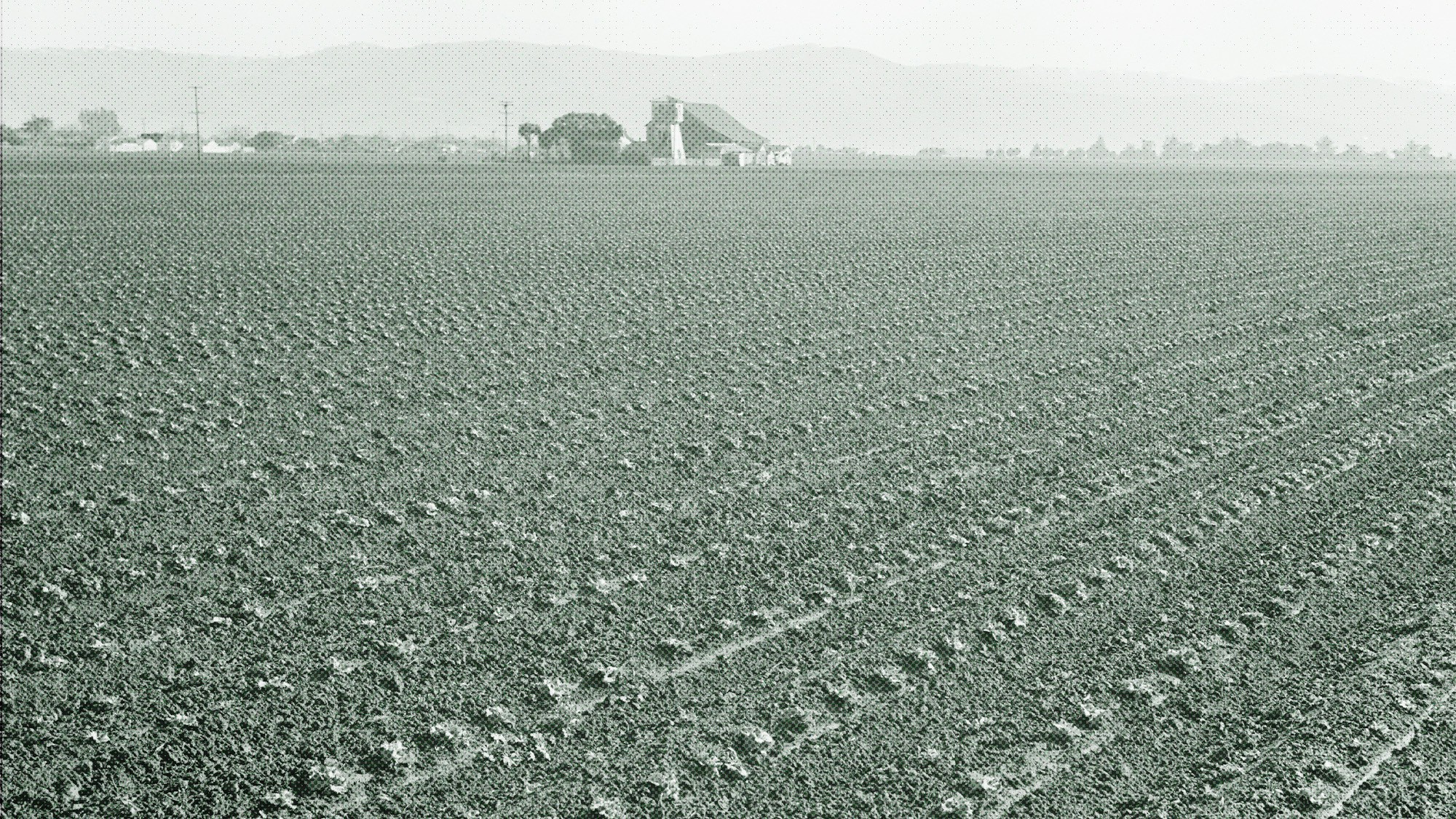
The story of water in the American West is a tale of conflict and struggle. It was William E. Smythe who understood that water was the defining factor for life in the region, long before the climate crisis even came to be. Smythe saw how early settlers failed to comprehend the challenges that water-supply ownership and administration would bring.
Even in fertile California, the natural cycle of the West could turn flowered foothills dusty and barren during dry years, leaving people to haul water in barrels for their survival. Almost every major waterway in the West was overappropriated by the early 20th century, leading to disputes and conflicts as farms were built without a full understanding of the water available.
Kansas even sued Colorado over access to the Arkansas River, a conflict that continues to this day. The federal government intervened in 1922 with the Colorado River Compact, which allocated equal amounts of water between the upper and lower basins. However, these developments were seen as temporary solutions, and as the dams struggled with evaporation and leaks, conflicts intensified.
The overuse of water for agriculture led to carbon emissions and a warming climate, exacerbating drought conditions in the Southwest. Cities near Lake Powell, such as Page, Arizona, are now facing reduced tourism and hydropower due to low water levels, threatening their livelihoods. In response to dwindling water supplies, states have been cutting allocations, with Arizona and Nevada suing the federal government over recent cuts, claiming the plan threatens their survival.
The source material clearly illustrates a recurring theme: when water becomes scarce, society will struggle and potentially languish, as Smythe warned over a century ago.
Written by urgent.news from The Atlantic's reporting — not their text. Machine-written — may contain errors; check the original before relying on it.