The missing ‘peace’ in Israel’s election campaign
Political debate has moved away from resolving the Israeli-Palestinian conflict even as violent events in the West Bank are making the issue harder to ignore
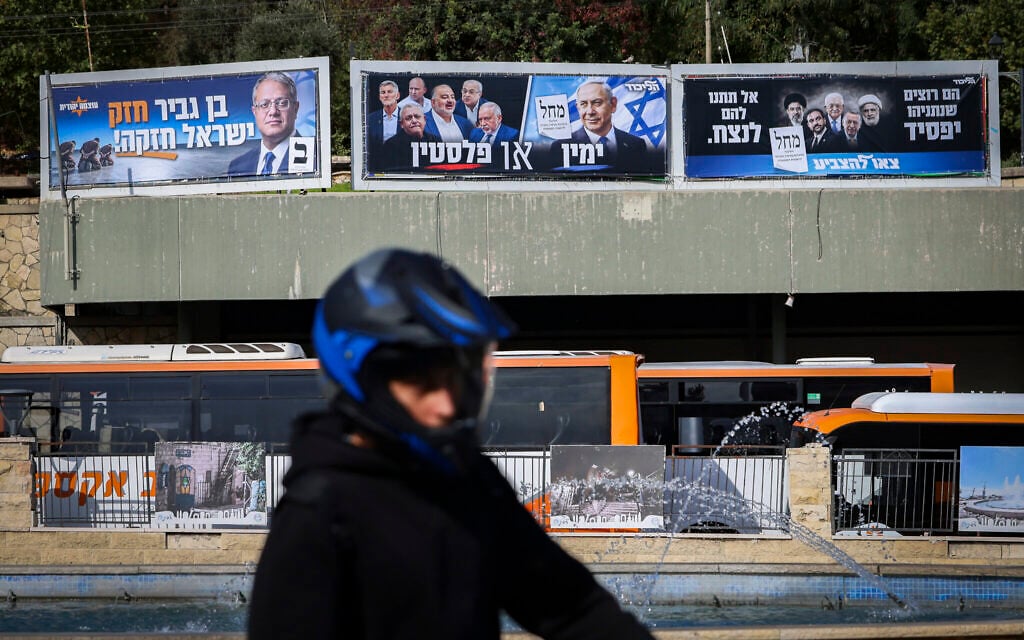
As the Israeli election draws to a close, pollster Shmuel Rosner asserts that the majority of Israelis have already decided how they will vote. In an interview on The Deep Dive, Rosner, a JPPI senior fellow and Channel 13 election pollster, dismisses any possibility that President Trump's recent endorsement could sway the outcome. He explains that since the judicial overhaul dispute in 2023, the October 7 attack, and the ongoing conflicts in Gaza, Lebanon, and Iran, most Israelis have a clear preference.
Rosner believes Netanyahu's last-minute push is not aimed at securing 61 seats but rather as a defensive strategy to prevent the opposition from forming a viable government. A minority government with a 57-50 majority is significantly different from one based on 52-51 votes, according to Rosner. He also discusses how President Herzog's efforts to unite the rival camps may not be as effective as many Israelis hope.
When considering a potential post-election power-sharing arrangement, Rosner suggests a plea deal that would allow Netanyahu to step aside, but this option is unlikely to appeal to most Israelis. He dismisses the notion that a post-election clash with Iran could force the opposition into a coalition, pointing out that this strategy has failed twice before, once with Benny Gantz and again following the October 7 attack.
Rosner strongly defends Israel's electoral system, stating that it remains one of the few institutions the public still trusts. He strongly condemns leaders who spread false claims about the voting process, warning that such actions could endanger the country's democracy. He also speculates that the significance of this election will be determined by its outcome, and that the stakes are not equal for both sides.
For opposition voters, a second term for the current coalition could pose a crisis of identity and attachment to their nation.
Written by urgent.news from Jerusalem Post's reporting — not their text. Machine-written — may contain errors; check the original before relying on it.
This story
This is one outlet's version. Read the fullest account.